
The modern competitive business environment has made businesses understand that well-established channel relationships are the foundation for long-run growth. Dealers, distributors, and retailers are important to increase market penetration and affect end customers. Due to this, firms are investing more in a loyalty program for dealers to enhance relationships and engage more as well as achieve steady sales performance.
As opposed to conventional consumer loyalty programs, B2B loyalty programs aim at influencing channel partners by providing incentives, rewards, and long-term value. Such programs are also changing significantly as technology and market expectations change.
The following are some of the future trends that define the next generation of B2B dealer and retailer loyalty programs.
- Data-Driven Personalization
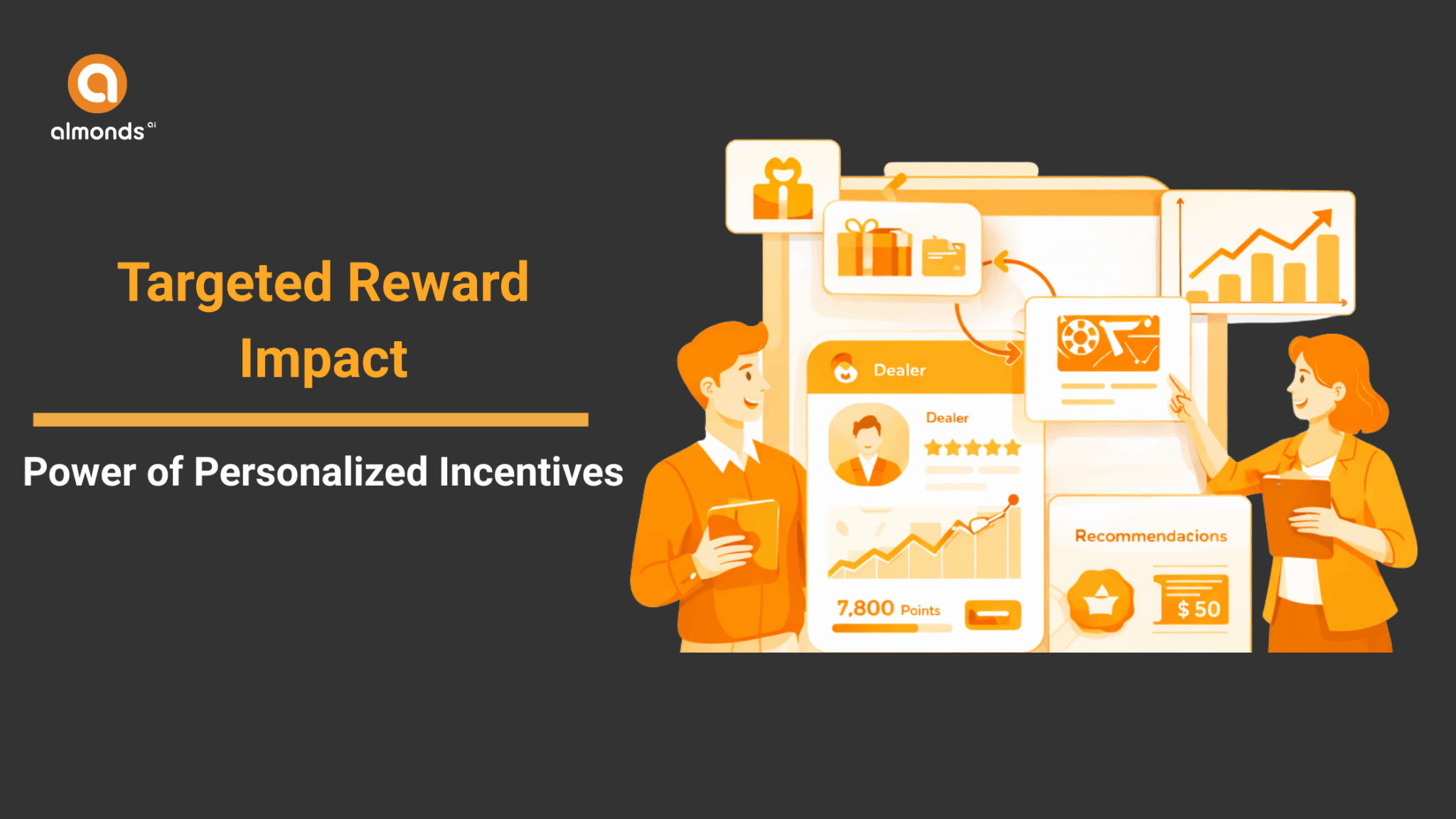
B2C marketing is no longer the only form of personalization. The dealers and retailers also demand business-oriented programs in B2B settings. Modern loyalty services are relying on data analytics to comprehend partner behavior, buying patterns, and sales outcomes. This enables the companies to design specific incentives and campaigns for the various groups of partners.
As an illustration, the distributors with high performance can get a premium incentive, and new retailers can get onboarding rewards and a learning opportunity. An effective loyalty program for dealers based on data insights can greatly enhance the levels of participation and engagement.
- Online-Based Loyalty System
Old systems of loyalty programs used to be manually tracked in Excel sheets and had a slow reward system. Such systems are currently being substituted by fully digital systems. The channel partners can easily monitor their performance, redeem rewards, and receive program updates in real time with the use of digital loyalty solutions.
Retailers and distributors can also access the program at any time and location using mobile-friendly dashboards and apps. This digital revolution is not only enhancing the user experience, it also assists companies to manage and scale their loyalty programs more effectively.
- Integration with Sales and CRM Systems
The other trend is a combination of the loyalty platforms and the sales and customer relationship management (CRM) systems. Through linking these systems, companies can automatically monitor partner transactions, sales success, and product performance. This eliminates fraud in terms of manual mistakes, as well as provides transparency in rewarding.
By combining a loyalty program for dealers with CRM and ERP, companies are able to better understand how the channels perform and make better strategic decisions.
- Gamification to Greater Engagement
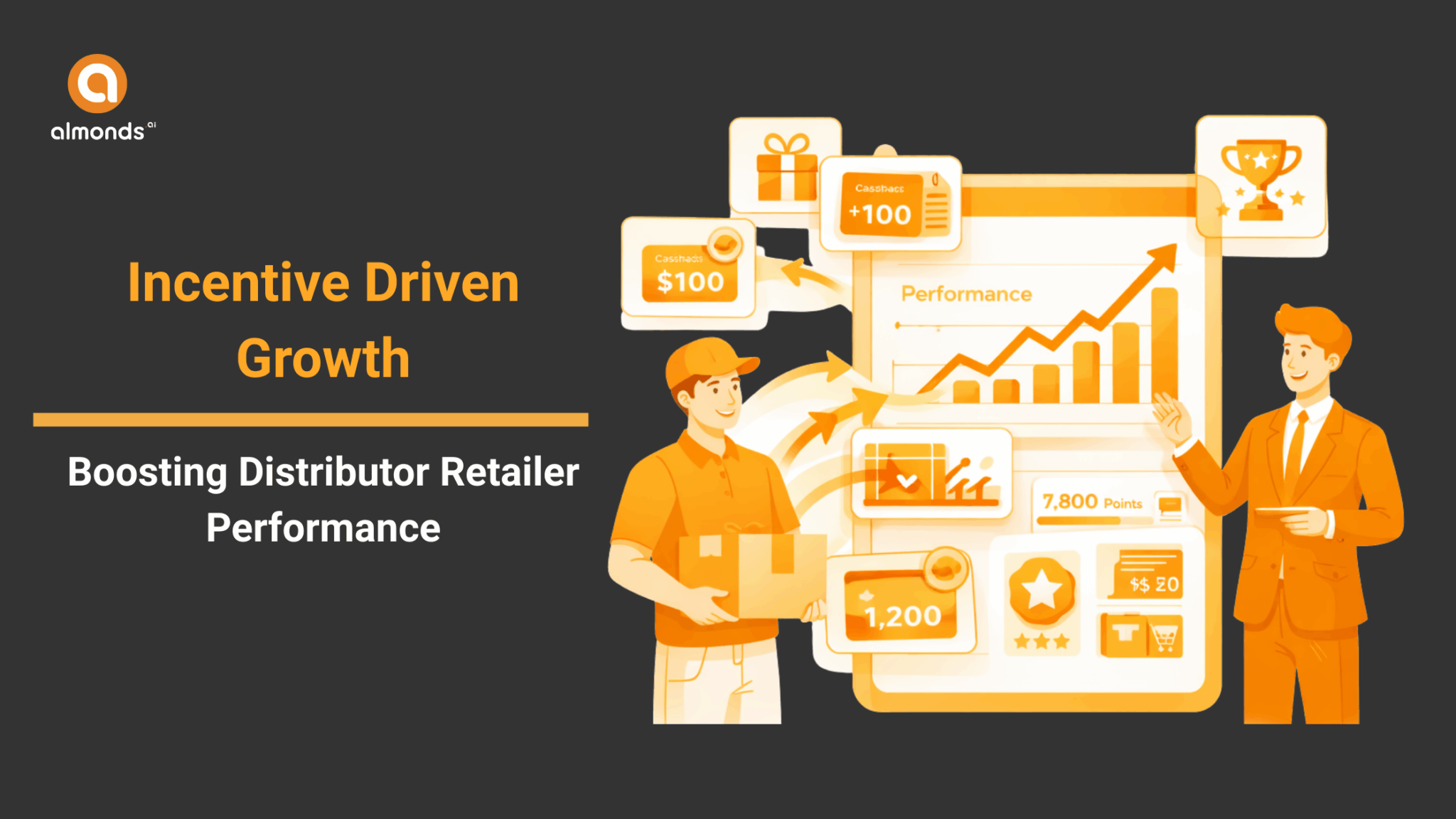
Gamification is becoming an influential tactic in B2B loyalty programs. Companies can involve channel partners more deeply by implementing features such as leaderboards, achievement badges, and performance challenges.
Dealers and retailers are inherently competitive, and gamification leverages this motivation. There are sales competitions, milestones, and tier bonuses that motivate partners to sell and perform better and better. These are also a way of building a feeling of identification and enthusiasm that enhances the loyalty of the partner.
- Flexible and Experiential Rewards
In the past, B2B loyalty programs mainly offered cash incentives or basic gifts. Today, partners expect more flexible and meaningful rewards.
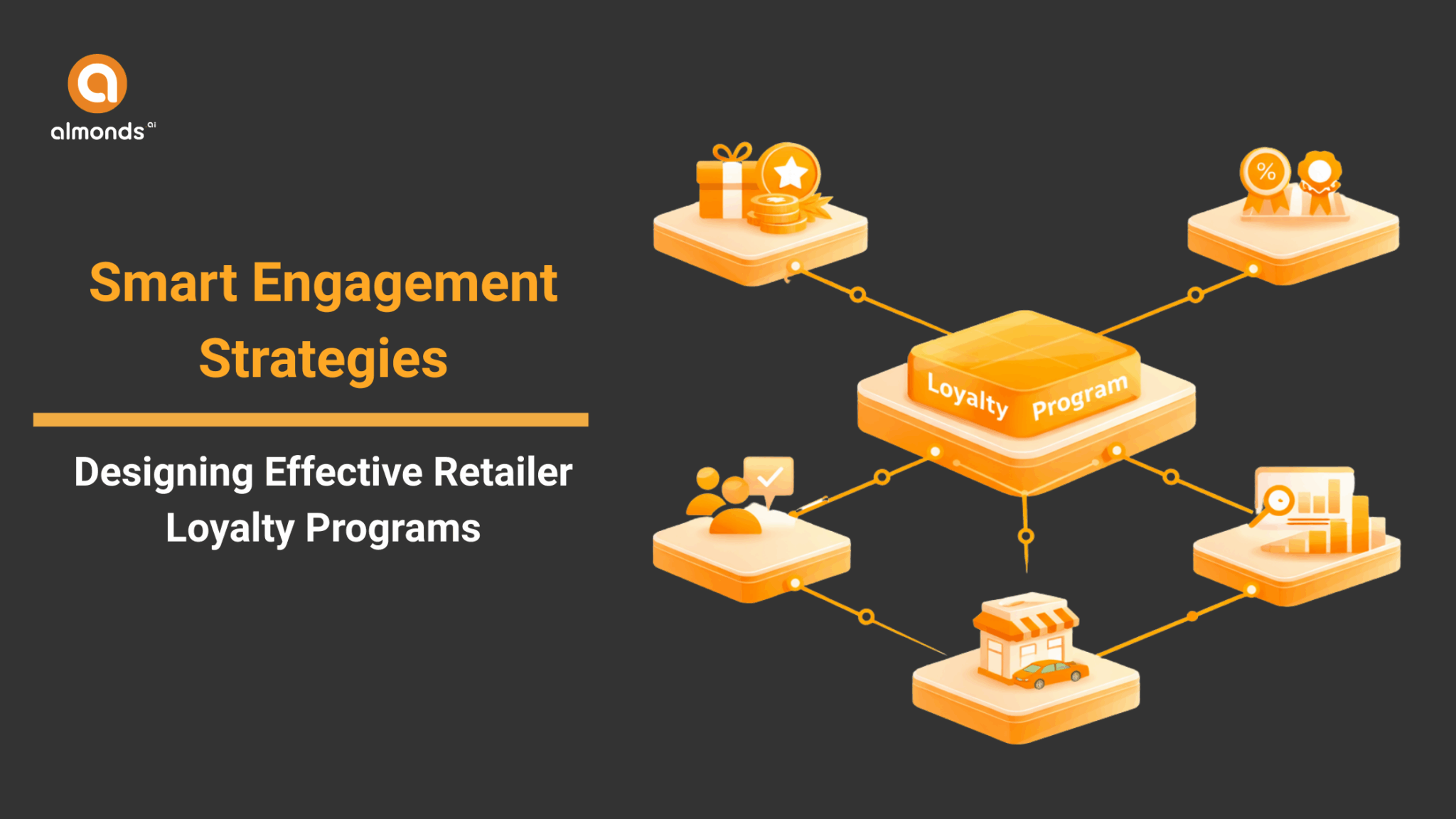
Modern loyalty programs provide a wide range of redemption options, such as
- Travel experiences
- Digital gift cards
- Merchandise rewards
- Training opportunities
- Business support tools
Providing diverse reward options ensures that every partner finds something valuable. A well-structured loyalty program for dealers focuses on creating experiences and benefits that truly motivate partners.
- Stress Long-Term Relationships Building
Loyalty programs in the future of B2B are no longer just sales incentives. Business firms are currently also considering establishing long-term relations with the channel partners.
It involves the provision of training programs, marketing, special events, and product education. Feeling supported by the growth of their own businesses makes dealers and retailers more loyal and devoted to the brand. Companies can turn their loyalty programs into a strategic partner platform by integrating rewards with business development support.
- AI and Predictive Analytics
Artificial intelligence is likely to be significant in the future of B2B loyalty programs. With AI-enabled platforms, it is possible to examine large amounts of partner data to determine trends and future behavior. To illustrate, AI can recognize the most potentially responsive dealers, which collaborators will best drop out, and which incentives will yield the best outcomes.
This enables companies to change their loyalty strategies proactively and optimize program performance. The intelligence of the loyalty program for dealers is smarter, more attentive, and effective with the assistance of AI.
- Sustainability and Purpose-Driven Incentives
Integration of sustainability and social impact in the loyalty programs is also another emerging trend. Most companies start to provide environmentally friendly rewards, carbon-free travel choices, or the option to give reward points to social organizations.
Programs that align with responsible and ethical business practices are more valued by dealers and retailers. This will not only inspire partners but also improve the brand reputation and values.
Conclusion
The B2B dealer and retailer loyalty programs are changing fast as businesses seek to enhance channel partnerships and performance. These programs are getting more strategic and effective with trends such as data-driven personalization, digital platforms, AI-powered insights, and flexible rewards.
Today, a loyalty program for dealers is no longer about providing incentives. It is based on establishing long-term relationships, enhancing touchpoints, and helping partners to develop.
Companies, which consider new and scalable solutions, can form closer relationships with their dealers, distributors, and retailers. Businesses can use solutions such as Almond AI to develop smart B2B loyalty programs, which increase engagement, improve partner satisfaction, and promote long-term channel growth.