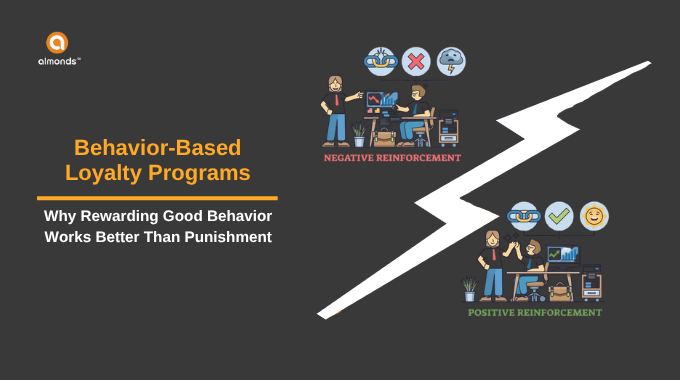

For decades, most systems designed to influence human behavior have relied on penalties. Whether in governance, compliance, or customer engagement, the assumption has been simple: people behave better when they are punished for doing something wrong. However, this approach often creates short-term compliance rather than long-term behavioral change.
A growing shift is now emerging toward behavior-based loyalty systems that reward individuals for doing the right things consistently. One of the most compelling real-world examples is the proposed driver loyalty program in New South Wales (NSW), Australia, which rewards safe driving behavior instead of focusing solely on penalties.
This shift signals a broader transformation in how organizations, governments, and businesses think about loyalty. Instead of reacting to negative actions, modern systems are increasingly designed to reinforce positive behavior over time.
What Is a Behavior-Based Loyalty Program?
A behavior-based loyalty program is a system that rewards users for consistently demonstrating desired behaviors rather than just completing transactions or one-time actions. These programs focus on long-term engagement, habit formation, and positive reinforcement.
Unlike traditional loyalty programs that reward spending or frequency, behavior-based systems track patterns such as consistency, discipline, participation, or compliance. Rewards are then aligned with these behaviors to encourage repetition.
At its core, this model treats loyalty as a result of behavior design, not just incentive distribution. The goal is to create systems where users are naturally guided toward better actions through meaningful rewards.
The NSW Driver Loyalty Program Explained
The driver loyalty program proposed by the NSW government introduces a simple but powerful concept. Drivers who maintain a clean record without any offences for a continuous 12-month period are rewarded by having one demerit point removed from their license.
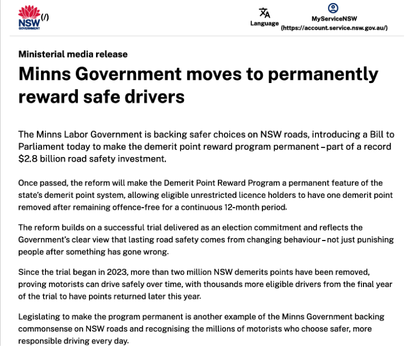
Traditionally, road safety systems have focused on penalties such as fines, license suspensions, and demerit points to discourage unsafe driving. While effective to an extent, these measures primarily operate through fear of consequences.
The proposed program introduces a complementary layer by rewarding positive behavior. Instead of only penalizing mistakes, it acknowledges and incentivizes consistent safe driving.
This approach creates a more balanced system where drivers are motivated not only to avoid penalties but also to actively maintain good behavior over time.
Why Behavior-Based Loyalty Models Work
Behavior-based loyalty systems are gaining traction because they align more closely with how human motivation actually works. Rather than relying solely on deterrence, they create positive reinforcement loops that encourage sustained engagement.
It Rewards Consistency Over One-Time Actions
Traditional reward systems often focus on isolated events such as a purchase or a single interaction. In contrast, behavior-based loyalty programs emphasize consistency over time.
In the case of the driver loyalty program, the reward is not tied to a single act of safe driving but to maintaining that behavior over an extended period. This encourages individuals to think long-term rather than focusing on short-term actions.
Consistency-based rewards are more effective because they build habits, not just responses.
It Builds Habit Loops
Behavioral psychology suggests that habits are formed through repeated actions reinforced by positive outcomes. When individuals know that consistent behavior will lead to a meaningful reward, they are more likely to repeat that behavior.
The 12-month structure of the driver loyalty program creates a clear habit loop. Drivers are continuously aware that their actions contribute to a future benefit, which reinforces disciplined driving patterns.
Over time, this repetition transforms conscious effort into automatic behavior.
It Shifts Emotional Motivation
Penalty-based systems often create anxiety or fear-driven compliance. While this can influence behavior temporarily, it does not necessarily build positive associations.
Behavior-based loyalty systems shift the emotional driver from avoidance to achievement. Instead of thinking about avoiding punishment, individuals focus on earning a reward.
This subtle shift has a significant impact. Positive reinforcement creates a sense of progress and accomplishment, which strengthens long-term engagement.
It Uses Meaningful and Contextual Rewards
One of the most powerful aspects of the NSW driver loyalty program is the nature of the reward itself. Removing a demerit point is highly relevant to drivers because it directly impacts their driving record and future risk.
This highlights an important principle of effective loyalty design: rewards must be meaningful within the user’s context. Generic incentives often fail to create strong engagement, whereas context-driven rewards feel valuable and personal.
When rewards solve a real problem or reduce a real risk, they become significantly more motivating.
The Psychology Behind Behavior-Based Loyalty
To understand why behavior-based loyalty programs are effective, it is important to look at the psychological principles behind them.
Human behavior is influenced by both intrinsic and extrinsic motivation. Intrinsic motivation comes from internal satisfaction, while extrinsic motivation is driven by external rewards.
Behavior-based loyalty programs combine both elements. The act of maintaining good behavior can create a sense of personal discipline and achievement, while the reward reinforces that behavior externally.
Another key principle is positive reinforcement. When a behavior is followed by a rewarding outcome, the likelihood of that behavior being repeated increases. Over time, this creates a feedback loop that strengthens habit formation.
Additionally, these systems reduce cognitive friction. When individuals clearly understand what behavior is expected and what reward they will receive, decision-making becomes simpler. This clarity improves participation and consistency.
The Shift from Transactional Loyalty to Behavioral Loyalty
Traditional loyalty programs have largely been transactional. They reward users for spending money, making purchases, or completing specific actions. While effective in driving short-term engagement, these models often fail to build deeper loyalty.
Behavioral loyalty represents a broader evolution. Instead of focusing only on transactions, it considers how users interact with a system over time.
This shift reflects a deeper understanding of loyalty as an outcome of consistent positive experiences and actions. When systems reward behavior rather than just transactions, they create stronger and more durable relationships.
The driver loyalty program is a clear example of this transition. It does not reward spending or frequency but instead focuses on responsible behavior sustained over time.
Where Behavior-Based Loyalty Models Can Be Applied
Behavior-based loyalty systems are not limited to road safety or governance. They have wide applicability across industries where consistent behavior plays a critical role.
In insurance, companies can reward safe driving, healthy living, or risk-reducing actions. In financial services, institutions can incentivize disciplined saving or responsible credit usage. In healthcare, programs can encourage adherence to treatment plans or wellness routines.
Even workplace systems can adopt this model by recognizing consistent performance, collaboration, or skill development.
The common thread across these applications is the focus on long-term behavior rather than isolated actions. This makes behavior-based loyalty a versatile and scalable approach.
The Future of Loyalty Systems
As technology continues to evolve, behavior-based loyalty systems are expected to become more sophisticated. Advances in data analytics, real-time tracking, and AI-driven insights will enable organizations to understand user behavior at a deeper level.
Future loyalty systems will likely be more adaptive, offering personalized incentives based on individual behavior patterns. They will move beyond static rules and operate as dynamic systems that respond to context in real time.
These systems will also place greater emphasis on trust and transparency. As data plays a larger role in tracking behavior, users will expect clear communication about how their data is used and how rewards are determined.
Ultimately, the future of loyalty lies in designing systems that feel supportive rather than controlling, and rewarding rather than punitive.
Conclusion
The proposed driver loyalty program in NSW represents a meaningful shift in how behavior can be influenced at scale. By rewarding consistent safe driving instead of relying solely on penalties, it introduces a more balanced and effective approach to behavior change.
This model reflects a broader evolution toward behavior-based loyalty systems that prioritize long-term engagement, habit formation, and meaningful incentives. It demonstrates that loyalty is not just about transactions or rewards, but about designing systems that encourage better actions over time.
As more organizations adopt this approach, loyalty will increasingly become a tool for shaping behavior, improving experiences, and building stronger, more sustainable relationships.
FAQs
What is a behavior-based loyalty program?
A behavior-based loyalty program rewards users for consistently demonstrating desired behaviors over time rather than focusing only on transactions or one-time actions. These programs aim to build long-term habits by aligning incentives with positive behavior patterns.
How does the NSW driver loyalty program work?
The NSW driver loyalty program rewards drivers who maintain a clean driving record for 12 months by removing one demerit point from their license. This encourages consistent safe driving behavior instead of relying only on penalties.
Why are rewards more effective than penalties?
Rewards create positive reinforcement, which encourages individuals to repeat desired behaviors. Penalties may prevent negative actions temporarily, but rewards are more effective in building long-term habits and sustained engagement.
What industries can use behavior-based loyalty programs?
Behavior-based loyalty programs can be applied across industries such as insurance, healthcare, finance, mobility, and workplace management. Any system that benefits from consistent user behavior can adopt this model.
How do behavior-based loyalty programs build long-term engagement?
These programs create habit loops by rewarding consistent behavior over time. As users repeat the behavior to earn rewards, it becomes part of their routine, leading to stronger and more sustainable engagement.