
Channel loyalty programs were built on simple mechanics: points, slabs, incentives, and periodic rewards, designed to drive repeat purchases and improve partner engagement. And they became a core strategy for brands operating through distributors, dealers, retailers, and contractor networks.
For a long time, this approach delivered results. However, as channel ecosystems have evolved, these traditional models are becoming increasingly ineffective. Channel partners today are exposed to multiple competing brands, similar incentive structures, and constant promotional noise. In this environment, loyalty programs built purely on transactions struggle to create meaningful differentiation.
The challenge with traditional loyalty programs is not the absence of rewards, but the absence of relevance, experience, and behavioral understanding. Modern channel loyalty is no longer about how much incentive is offered. It is about how consistently a brand engages partners in meaningful ways across their daily workflow.
The Problem with Traditional Channel Loyalty Programs
Most channel loyalty programs still operate on predictable, transaction-driven mechanics. Partners earn points based on purchases, unlock tiers based on volume, and redeem rewards periodically. While these systems are easy to implement and scale, they often fail to influence long-term partner behavior.
Over time, partners learn how to “optimize” these programs. Instead of becoming more loyal, they become more efficient at extracting value. Purchases are timed around schemes, rewards are maximized strategically, and engagement remains limited to transactional moments.
This creates a structural problem. Brands continue to invest in incentives, but the expected improvements in purchase frequency, average order value, and long-term partner commitment do not materialize. The program becomes active, but not effective.
When Loyalty Becomes Transactional, It Becomes Replaceable
One of the biggest limitations of traditional channel loyalty is that it is designed around the next transaction, not the long-term relationship. Incentives are tied to immediate outcomes, which means partners respond only when there is a visible reward.
In such systems, loyalty is shallow. If another brand offers a better scheme, partners can easily shift their focus. The relationship is not built on preference or trust, but on short-term value extraction.
This leads to a cycle where brands continuously increase incentives to stay competitive, without necessarily improving loyalty. Over time, this approach becomes expensive and unsustainable.
True channel loyalty cannot be built on incentives alone. It must be supported by consistent engagement, ease of doing business, and meaningful partner experience.
Channel Loyalty Must Evolve from Programs to Experiences
The most significant shift in modern loyalty is the move from program-based thinking to experience-based engagement. Instead of focusing only on rewards, brands need to consider how partners interact with them across the entire journey.
For channel partners, loyalty is shaped by everyday experiences:
- How easy it is to place orders
- How quickly issues are resolved
- How relevant communication feels
- How consistently the brand shows up
These factors often have a stronger impact on loyalty than points or rewards. A partner who finds it easy to do business with a brand is more likely to stay engaged, even in the absence of aggressive incentives.
The future of channel loyalty lies in combining rewards with frictionless, consistent, and personalized experiences.
Experience-Driven Engagement Creates Stronger Partner Loyalty
Some of the most successful engagement models today are not driven by rewards at all. They are driven by consistency, reliability, and ease.
In channel ecosystems, this translates into:
- Seamless onboarding for new partners
- Clear communication and visibility
- Reliable product availability
- Consistent support and interaction
When these elements are in place, partners begin to prefer a brand not because of incentives, but because of operational convenience and trust.
This is a critical shift. Loyalty moves from being reward-driven to experience-driven, making it harder for competitors to replicate.
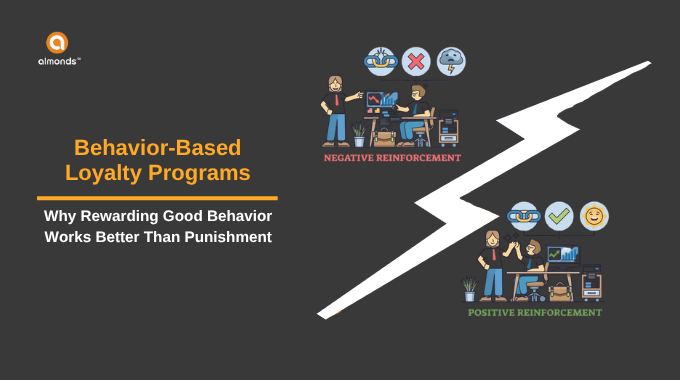
Behavior-Led Loyalty Is More Effective Than Reward-Led Loyalty
Traditional loyalty programs reward outcomes, primarily purchases. Modern loyalty systems focus on behaviors that lead to outcomes.
In channel ecosystems, these behaviors include:
- Participating in training programs
- Engaging with campaigns
- Promoting products actively
- Adopting new product lines
- Interacting with platforms
When loyalty programs are designed around these behaviors, they create a more engaged and informed partner base. Over time, this leads to better performance and stronger relationships.
Behavior-led loyalty also enables brands to influence partner actions earlier in the journey, rather than reacting only after a purchase is made.
Habit and Identity Drive Long-Term Channel Loyalty
One of the most underutilized aspects of channel engagement is habit formation. Partners who interact regularly with a brand—through platforms, programs, or communication—develop routines that reinforce engagement. For example:
- Regular platform logins
- Consistent participation in campaigns
- Ongoing training completion
These actions create a sense of continuity and progress. Over time, partners begin to associate their daily workflow with the brand, making disengagement less likely.
This is where loyalty transitions from being transactional to becoming part of a partner’s professional identity. The relationship becomes embedded in their routine, rather than driven by occasional incentives.
Personalization Is More Powerful Than Generic Incentives
Generic incentive programs treat all partners the same, regardless of their behavior, preferences, or performance. This often leads to low engagement because the value offered is not aligned with individual needs. Personalization changes this dynamic. By using data to understand partner behavior, brands can deliver:
- Relevant rewards
- Targeted communication
- Customized campaigns
- Timely interventions
A smaller, highly relevant incentive is often more effective than a large, generic one. Personalization builds trust and demonstrates that the brand understands the partner’s business. Over time, this leads to stronger engagement and higher long-term value.
Small, Timely Interactions Build Stronger Engagement
Loyalty is rarely built through large, one-time campaigns. It is built through consistent, small interactions that reinforce engagement over time. In channel ecosystems, these interactions include:
- Timely reminders
- Progress updates
- Milestone recognition
- Contextual rewards
These moments may seem minor individually, but they compound over time to create a strong engagement loop. Partners feel recognized, supported, and motivated to continue participating. This approach shifts loyalty from being event-driven to being continuous and embedded in daily workflows.
The Role of Data and Analytics in Modern Channel Loyalty
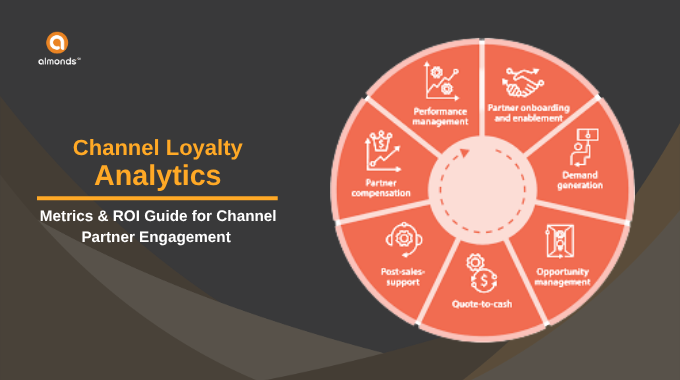
As loyalty becomes more behavior-driven, the role of analytics becomes central. Brands need visibility into how partners interact with programs, what drives engagement, and where drop-offs occur. Channel loyalty analytics enables organizations to:
- Identify high-value partners
- Detect disengagement early
- Measure program effectiveness
- Optimize reward strategies
- Personalize engagement at scale
Solutions like Insights Ai by Almonds Ai bring this capability into a unified system. By analyzing partner behavior across touchpoints, such platforms help brands move beyond static reporting to actionable insights. This allows loyalty programs to evolve continuously, adapting to partner needs and market dynamics.
The Future of Channel Loyalty
From Incentives to Intelligent Engagement
The future of channel loyalty will be defined by intelligent, adaptive systems that respond to partner behavior in real time. Programs will no longer operate as fixed structures but as dynamic ecosystems that evolve based on data and interaction. Key shifts include:
- From rewards to relevance
- From transactions to relationships
- From static programs to adaptive systems
- From generic engagement to personalized experiences
Brands that embrace this shift will be better positioned to build strong, resilient partner networks.
Conclusion
Traditional channel loyalty programs are not failing because incentives are ineffective. They are failing because they are incomplete. They focus on transactions while ignoring the broader context of partner experience and behavior.
Modern channel loyalty requires a more holistic approach, one that combines rewards with engagement, analytics, and personalization. It requires brands to understand their partners deeply, show up consistently, and create value beyond incentives.
In this new landscape, loyalty is not something that can be bought. It is something that must be built through meaningful, consistent, and intelligent engagement.
FAQs
Why are traditional channel loyalty programs becoming ineffective?
Traditional loyalty programs rely heavily on transactional incentives, which can be easily replicated by competitors. Without deeper engagement and personalization, they fail to build long-term partner loyalty.
What is behavior-based channel loyalty?
Behavior-based loyalty focuses on rewarding actions such as engagement, training participation, and product promotion, rather than just purchases.
How can brands improve channel partner engagement?
Brands can improve channel partner engagement by personalizing communication, reducing friction, recognizing partner progress, and using analytics to optimize program strategies.
What role does analytics play in channel loyalty?
Analytics helps measure channel partner behavior, identify partner engagement patterns, and optimize loyalty programs for better performance and ROI.
What is the future of channel loyalty programs?
The future lies in experience-driven, personalized, and data-led engagement systems that adapt to partner behavior in real time.