Almonds Ai Declares 27 November as “World Channel Partner’s Day” on its 5th Anniversary. Click Here

Categories
Blogs

Why Most Channel Loyalty Programs Fail?

When channel loyalty programs underperform, most brands reach the same conclusion. The rewards aren’t exciting enough. So budgets are increased. Catalogs are expanded. New quarterly schemes are rolled out. Sometimes, even premium gifts are added, assuming that higher value will automatically translate into higher engagement. Yet, participation continues to decline. Retailers disengage. Field teams struggle to explain programs. And leadership starts questioning whether loyalty even works. 

The reality is far more uncomfortable. 

It's not always about rewards to fail the loyalty programs

Channel Loyalty Through Daily Experience

For brands, loyalty often exists as a scheme document, a dashboard, or a quarterly presentation. For retailers, loyalty is lived on the shop floor, every single day. In India’s channel ecosystem, especially retailers & distributors: 

  • Manage hundreds of SKUs
  • Make stocking decisions daily
  • Operate on tight cash cycles
  • Rely on speed, memory, and trust 

A loyalty program that doesn’t fit into this reality will fail quietly, without complaints, without escalation, and without warning. That silent failure is what makes channel loyalty so deceptive. 


Mistake 1: Designing Loyalty for Internal Convenience, Not Channel Reality 

Most loyalty programs are designed inside boardrooms, not behind the counter. They prioritize: 

  • Finance-friendly slabs
  • Audit-driven validations
  • Internal approval workflows
  • Campaign calendars

But none of these matters to a retailer, who is trying to run a business. 

If earning points requires remembering multiple conditions, tracking SKU-level multipliers, or interpreting fine print, the program instantly becomes cognitive load. And in a kirana environment, cognitive load is the fastest path to disengagement.  

Retailers don’t consciously reject such programs. They simply stop paying attention. 


Mistake 2: Delayed Rewards in a Fast-Moving Cash Economy 

In the Indian general trade, cash flow is not a preference; it is survival. Many retailers rotate stock every 3–7 days. They rely on predictable inflows to maintain smooth operations. In this context, loyalty programs that promise rewards weeks or months later feel uncertain and risky. 

Delayed payouts don’t just reduce motivation. They erode trust. Market studies across show that programs offering instant rewards consistently drive 35–50% higher repeat participation compared to delayed settlement models. 

Speed doesn’t just improve engagement. It signals reliability. 


Mistake 3: Earning Rules That Feel Like a Trap, Not an Incentive 

One of the biggest reasons retailers drop off loyalty programs is not low reward value; it’s confusion. Common issues include: 

  • Frequent rule changes without communication
  • Region-specific exclusions
  • SKU-level multipliers that are hard to track
  • Slabs that reset mid-cycle 

From a retailer’s perspective, this creates suspicion. The belief slowly forms that the program is designed to reduce payouts, not reward effort. Interestingly, research shows that over 50% of Indian retailers prefer simpler, transparent earning structures even if the reward amount is lower. 

Loyalty chain: How to build loyalty

 Mistake 4: Manual Claims That Break Trust Before They Break Systems 

Many channel loyalty programs still rely on manual processes, WhatsApp uploads, field executive validation, PDF invoices, and Excel sheets. This introduces friction at multiple levels. 

Human error becomes unavoidable. Invoices get misread or misclassified. Claims are rejected for reasons retailers don’t fully understand. Industry audits indicate that nearly 20–25% of rejected claims are due to processing errors, not fraud. 

For retailers, however, every rejection feels intentional. And once that perception sets in, the emotional relationship with the brand weakens rapidly. Automation, in this context, is not about efficiency. It is about restoring fairness and trust. 


Mistake 5: Treating All Channel Partners as One Audience 

A distributor, a high-volume retailer, and a long-tail kirana operate under very different constraints. 

Yet most loyalty programs offer: 

  • The same rewards
  • The same slabs
  • The same communication
  • The same journey 

Retailer preference studies across India reveal a clear shift: 

  • ~60% prefer instant cash or wallet credits
  • ~30% value business-oriented rewards like inventory credit or store upgrades
  • Less than 15% prioritize lifestyle or personal gifts 

Loyalty fails when rewards don’t support the retailer’s business reality. 


The Hidden Cost of Loyalty Failure 

When loyalty programs fail, brands rarely see an immediate drop in numbers. What they lose is more subtle: 

  • Recommendation priority
  • Shelf visibility
  • Push during competitive moments
  • Mindshare during new launches 

Retailers don’t exit loudly. They redirect effort silently. And that silent shift costs brands far more than any reward budget. 


What Actually Works in High-Performing Channel Loyalty Programs 

Winning programs are not louder or more complex. They are simpler, faster, and more respectful of how channel partners operate. They focus on: 

  • Real-time visibility into earnings
  • Predictable and timely rewards
  • Clear, stable earning logic
  • Automated claim validation
  • Recognition layered alongside rewards
  • Personalization driven by behavior, not assumptions 

These programs feel less like schemes and more like partnerships. 


Loyalty Is Infrastructure, Not a Scheme 

The most important mindset shift brands must make is this: 

Channel loyalty is not a quarterly campaign. It is not a catalog refresh. And it is not a cost center.  It is infrastructure. When built correctly, loyalty becomes the invisible engine that drives trust, consistency, and long-term advocacy across the channel. 


Final Thought 

If your channel loyalty program isn’t delivering results, don’t start by questioning the rewards. Start by asking: 

  • Is the experience simple?
  • Is it fast?
  • Is it predictable?
  • Is it fair? 

Because loyalty doesn’t fail at redemption. It fails much earlier, at design. 

24 Post views
Categories
Blogs

Why Channel Loyalty is Becoming the New Sales Engine in Indian FMCG

Rising competition, shrinking margins, and increasing distributor pressure have changed how brands compete. Traditional trade schemes and discount-led pushes are no longer enough. What’s emerging in their place is a more sustainable, measurable approach: channel loyalty programs. 

For FMCG brands operating in India’s fragmented retail ecosystem, channel loyalty is no longer a marketing initiative but a sales engine. 


The Shift from Trade Schemes to Channel Loyalty Programs 

For years, FMCG brands relied heavily on trade discounts, quarterly schemes, and volume-based incentives to drive secondary sales. While these methods worked when competition was limited, today they struggle to deliver predictable results. 

Retailers now engage with dozens of brands offering similar discounts. When incentives look the same, loyalty disappears. Channel partners become transactional — they sell what pays today, not what builds long-term value. 

This is where channel loyalty programs fundamentally change the equation. Instead of short-term pushes, they create continuous engagement. Retailers earn value not just for buying, but for consistency, advocacy, and participation. 

Loyalty shifts the relationship from:

Just discount is not EnoughWhy Indian FMCG Brands Needed Channel Loyalty in 2026

Limited Field Force Coverage 

Even mid-sized FMCG brands struggle to maintain consistent feet-on-street coverage across geographies. Large brands can afford weekly store visits; most others cannot. 

channel loyalty platform acts as a digital extension of the sales team. Through mobile apps and WhatsApp nudges, brands stay present even when sales reps aren’t physically visiting outlets. Retailers receive reminders, updates, and incentives automatically, keeping the brand top-of-mind. 


Low Retail Visibility at the Counter 

Shelf space in Indian retail is competitive and expensive. When visibility falls short, brands lose mindshare instantly. 

What retailers often prioritize instead is brands that reward them consistently. A retailer who earns points, cashback, or rewards for every invoice is more likely to stock, display, and recommend that brand, even without expensive visibility materials. 

This is where retailer loyalty programs outperform traditional trade marketing. 


Lack of Real-Time Channel Data 

One of the biggest disadvantages for FMCG SMBs is the absence of actionable data. Most rely on distributor reports, which often arrive late and lack granularity. 

With a digital channel loyalty system, every invoice becomes a data point. Brands can see which retailers are active, which SKUs move faster, and where sales are slowing — all in real time. 

Data turns loyalty from a cost center into a decision-making engine. 


How Channel Loyalty Programs Drive Sales

Instant Rewards Build Faster Trust 

In traditional schemes, rewards are delayed by weeks or months due to manual validations and claim cycles. This delay erodes excitement and trust. 

Modern instant reward-based fmcg loyalty programs change this dynamic. Retailers receive cashback, UPI rewards, or digital vouchers immediately after verification. The psychological impact is powerful — instant gratification reinforces behavior far more effectively than larger but delayed incentives. 

For FMCG brands, speed of rewards often matters more than size. 


Consistency Beats Campaigns 

Big brands run schemes every month. Smaller brands often run two or three per year, creating long engagement gaps. 

channel loyalty program replaces episodic schemes with continuous micro-engagement. Weekly challenges, milestone bonuses, and streak-based rewards keep retailers involved throughout the year — not just during scheme periods. 

Consistency builds habits. Habits drive repeat sales. 


Gamification Encourages Daily Participation 

Gamification isn’t about games; it’s about behavior design. When retailers unlock rewards for uploading invoices, completing targets, or maintaining streaks, participation increases naturally. 

Well-designed gamified loyalty programs convert passive retailers into active brand advocates. Instead of waiting for discounts, partners engage proactively because progress is visible and rewarding. 


Why Channel Loyalty Outperforms Discounting 

Discounts reduce price. Loyalty builds value. 

Across FMCG categories, brands are realizing that blanket discounting erodes margins without guaranteeing retention. Loyalty, on the other hand, delivers targeted incentives only to partners who drive real outcomes. 

data-driven loyalty program ensures that rewards are linked to behavior — repeat orders, SKU expansion, and advocacy — not just participation. 

This precision is why loyalty delivers better ROI than discounts over time. 


What FMCG Brands Should Look for in a Channel Loyalty Platform 

The effectiveness of loyalty depends on execution. FMCG brands should prioritize platforms that are: 

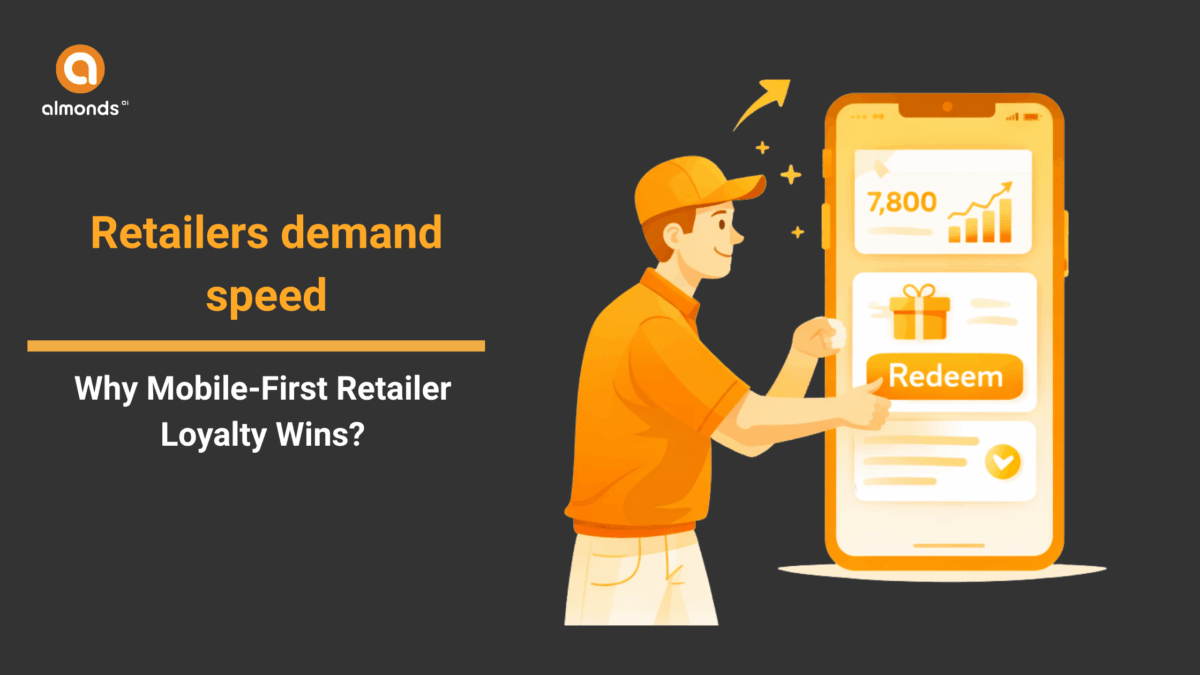
  • Mobile-first, suited for India’s retailer base
  • Capable of instant rewards (UPI, cashback, vouchers)
  • Equipped with invoice validation and fraud detection
  • Able to deliver real-time analytics and dashboards
  • Easy to onboard retailers digitally via QR or WhatsApp 

SaaS-based loyalty platforms make these capabilities accessible without heavy IT investment or long implementation cycles. 


Why Channel Loyalty Will Shape FMCG Sales in 2026 

As margins tighten and competition intensifies, FMCG brands will increasingly rely on loyalty-led growth instead of discount-led volume. 

Brands that invest early in channel loyalty programs will benefit from stronger retailer relationships, predictable sales cycles, and better data visibility — advantages that compound over time. 

Platforms like Kounter by Almonds Ai reflect this shift, enabling brands to operationalize loyalty at scale without complexity. But the underlying truth remains universal:
The brands that win channel loyalty will win the market. 


FAQs 

Q: What are channel loyalty programs in FMCG?

A channel loyalty program rewards retailers and distributors for consistent engagement and sales, not just bulk purchases. 

Q: Why are channel reward programs better than discount schemes?

Channel reward programs build long-term engagement and predictable sales, while discounts only drive short-term volume. 

Q: How does channel loyalty increase FMCG sales?

By rewarding consistency, improving retailer visibility, and enabling data-driven incentives, loyalty programs drive repeat orders and advocacy. 

79 Post views
Categories
Blogs

The Future of Reward Catalogs: Trends Re-Shaping B2B Loyalty Rewards in 2025–26

The B2B loyalty landscape is undergoing its biggest evolution in a decade. From dealer loyalty programs to channel partner incentives, brands across FMCG, automotive, electricals, and building materials are rethinking how they reward and motivate their partners. 

And at the center of this shift is one powerful driver: 

B2B Rewards are more digital, more personalized, and more strategic than ever.

In India, where 90% of B2B sales depend on channel partners, the type of rewards a brand offers is often the difference between being stocked… and being forgotten. 

Reward catalogs are no longer just a list of items. They are becoming experience pathwaysbehaviour-shaping tools, and relationship builders. 

This blog unpacks the biggest reward catalog trends that will shape 2025–26, why they matter, and how they will influence the next generation of loyalty rewards programs. 


Why Reward Catalogs Matter in Loyalty Rewards Programs 

How Rewards Influence Channel Partner Motivation 

For channel partners, rewards represent more than compensation; they represent respect for their effort. Studies show that when rewards feel relevant, timely, and aspirational, engagement levels rise significantly. In India specifically, channel partners increasingly prefer programs that offer: 

  • Instant redemptions
  • Flexible catalogs
  • Lifestyle benefits
  • Financial perks like cashback and vouchers 

When rewards match personal aspirations, partners naturally increase their participation. This is why catalog design has become a central part of B2B loyalty solutions today. 


Why Traditional Incentives Are No Longer Enough 

Old-school incentives (like utensils, electronics, or one-time gifts) are fading out because: 

  • Channel partners are younger and expect digital-first rewards
  • Their preferences keep evolving
  • They want freedom of choice, not one-size-fits-all gifts
  • They value immediate benefits over long-term accumulation
  • They engage more with transparent, modern reward systems 

In short:
Rewards must evolve because partners have evolved. 


The Shift Toward Value-Based Rewards 

Partners no longer judge rewards by size — they judge them by value and usability. 

  • Rewards aligned with personal needs feel more meaningful
  • Financial rewards (UPI payouts, cashback) offer flexibility
  • Category-driven rewards (Green, Pink, Luxury) create emotional affinity
  • Digital vouchers provide instant gratification

The shift is clear:
How Rewarding is making difference in Sale. 

The Rise of Green Rewards in B2B Loyalty Programs 

What Green Rewards Are and Why They’re Trending 

Green rewards are sustainable, eco-friendly incentives such as: 

  • Solar power accessories
  • Home composting kits
  • Reusable lifestyle goods
  • Energy-efficient appliances
  • Carbon-offset reward options 

They’re growing fast because: 

  • India’s sustainability consciousness is rising
  • Younger retailers prefer environmentally aligned brands
  • Global supply chains are pushing ESG compliance
  • Brands want to communicate responsibility without higher trade spends 

In fact, India’s green gifting sector has grown at 20%+ CAGR in the last three years; a strong signal that “sustainable rewards” are moving into mainstream catalogs. 


How Green Rewards Strengthen Brand Equity and Trust 

Green rewards help brands stand out because they show commitment to: 

  • Environmental responsibility
  • Social impact
  • Long-term value creation 

Channel partners associate such brands with credibilityethics, and modernity. This emotional halo boosts loyalty and positions the brand as a forward-thinking player. 


Lifestyle & Personal Rewards Take Center Stage 

What Defines This Rewards Category 

Lifestyle & personal care rewards like pink rewards are lifestyle-oriented, personalised incentives such as: 

  • Self-care products
  • Fashion accessories
  • Health & wellness items
  • Home and family gifts
  • Experience-based vouchers 

They appeal deeply because they connect with the partner’s identity, not just their business needs. 


Why Personal Rewards Drive Higher Engagement 

Personal rewards outperform generic gifts because: 

  • They feel like recognition, not compensation
  • They create emotional loyalty
  • Partners proudly share and talk about them
  • They appeal beyond gender, everyone enjoys lifestyle rewards
  • They strengthen family influence (which indirectly pushes brand preference) 

In India, lifestyle rewards see 30–40% higher redemption rates compared to traditional electronics and home appliances. 


Emotional Loyalty Through Personalized Gifting 

These rewards help brands: 

  • Show appreciation beyond business
  • Celebrate partner milestones
  • Build lasting emotional connections 

This soft power converts into stronger advocacy and increased repeat sales. 


Luxury Rewards: Aspiration Drives Performance 

Why Aspirational Rewards Work Better Than Discounts 

Luxury rewards trigger a different kind of motivation — status-driven loyalty. 

These include: 

  • Premium electronics
  • Travel experiences
  • High-end accessories
  • Branded merchandise
  • Gold coins and bullion 

In many dealer communities across India, luxury rewards act as: 

  • Symbols of achievement
  • Social proof
  • Competitive motivators 

That’s why luxury rewards deliver industry-high participation rates in target-based schemes. 


Luxury as a Status Symbol in Retail & Dealer Networks 

For many partners, luxury rewards become: 

  • A showcase in their shop
  • A conversation starter
  • A badge of accomplishment

This creates a ripple effect — when one partner wins a luxury reward, others want to match that achievement. 


How Luxury Rewards Improve Program Performance 

Luxury rewards create: 

  • Higher effort commitment
  • Better scheme conversions
  • Stronger program loyalty
  • Increased brand advocacy 

They help brands influence behaviour far more effectively than recurring discounts ever could. 


Why Digital Rewards Are Dominating Loyalty Programs 

Digital reward catalogs offer: 

  • Instant selection
  • Zero logistics
  • Faster gratification
  • Real-time inventory updates
  • Dynamic category expansion 

According to a 2024 Indian loyalty survey, 65% of partners prefer digital-first reward options. 


Instant Redemption & UPI Payouts

UPI rewards and instant cash have revolutionized channel motivation. 

They offer: 

  • No wait time
  • High trust
  • High satisfaction
  • Universal usability 

Over 70% of B2B reward redemptions in India in 2024 came from UPI and digital vouchers. 


AI-Driven Reward Recommendations for Channel Partners 

Modern loyalty platforms use AI to: 

  • Suggest relevant rewards
  • Auto-personalize catalogs
  • Detect seasonal trends
  • Predict partner preferences
  • Optimize redemption experiences 

This is where subtle platforms like Almonds Ai’s Channelverse ecosystem quietly lead the innovation curve. 


Designing a High-Impact Incentive Catalog for 2025–26 

Balancing Green, Lifestyle, and Luxury Rewards 

A high-performing reward catalog is a balanced one.
Brands must align categories to: 

  • Partner demographics
  • Region-specific preferences
  • Sales objectives
  • Occasion-based campaigns
  • Long-term brand identity 

A smart mix ensures engagement across diverse partner profiles. 


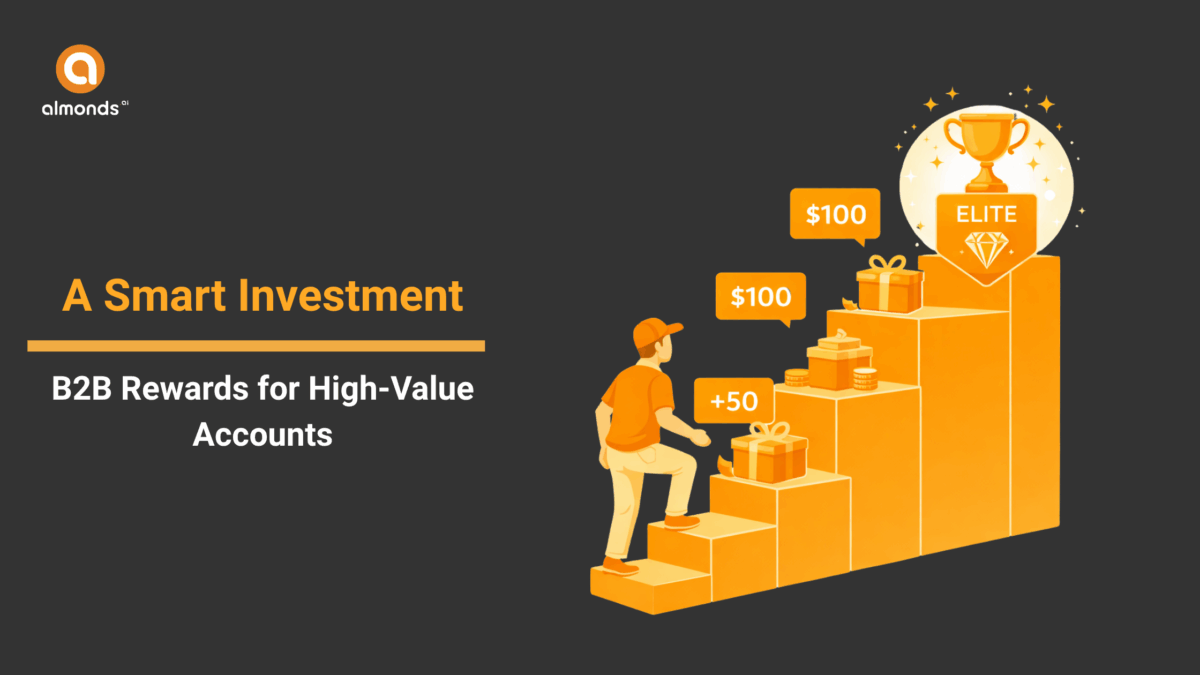
Creating Tiered Reward Journeys 

Tiered catalogs allow partners to: 

  • Progress from basic to aspirational rewards
  • Set personal milestones
  • Compete with peers
  • Stay engaged longer

This structure mirrors credit card loyalty and works beautifully in B2B loyalty too. 


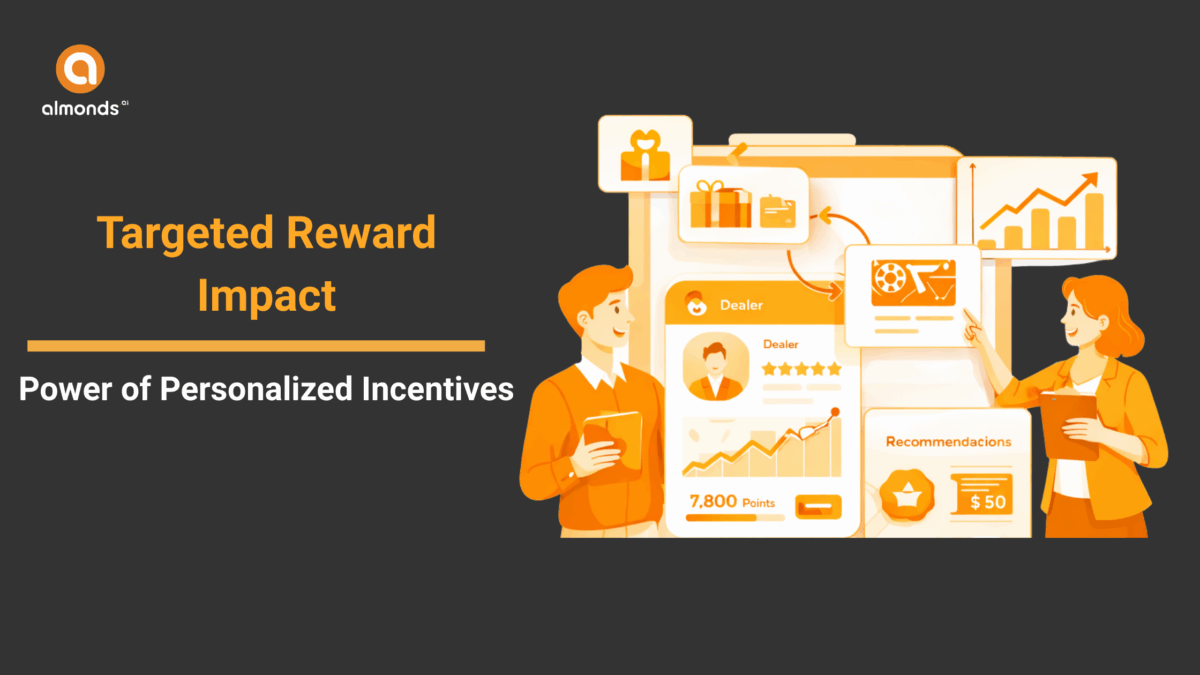
Using Data to Personalize Rewards 

Data helps brands refine catalog relevance by analysing: 

  • Partner buying behaviour
  • SKU-mix
  • Geography
  • Festival periods
  • Past redemption patterns

The more a catalog adapts, the more loyalty it earns. 


How These Reward Trends Will Shape 2026 Channel Loyalty Programs 

  • Demand for Hyper-Personalized Rewards Will Increase: Partners expect brands to know their preferences.
    Reward catalogs will shift from “choose from 500 products” to: 

    • Curated lists
    • AI-personalized catalog views
    • Seasonal collections
    • Role-based recommendations 
  • Experience-Based Rewards Will Outperform Product-Based Rewards: From travel vouchers to spa sessions to premium dinners — experiences build deeper emotional memory than products. 
  • Rewards Will Become a Competitive Differentiator: In crowded markets with similar products, reward catalogs will increasingly decide: 
    • Which brand gets stocked
    • Which gets recommended
    • Which gets repeat orders 

Product parity means loyalty differentiation. 


Where Almonds Ai Fits Into the Future of Reward Catalog Innovation

Platforms like Channelverse by Almonds Ai are enabling this next generation of reward catalogs by offering: 

  • Green, Pink, and Luxury catalog clusters
  • AI-personalized redemption journeys
  • Instant UPI payouts
  • Mobile-first access
  • Gamified catalog experiences 


Final Thought

Channel partners no longer stay loyal because of discounts —
they stay loyal because they feel valued, understood, and rewarded meaningfully. 

The brands that adapt to modern reward catalog trends will: 

  • Build stronger partner relationships
  • Drive repeat sales
  • Improve scheme participation
  • Stand out in competitive categories 

2025–26 will belong to brands that treat rewards not as a cost, but as a strategic investment in long-term channel loyalty.

101 Post views
Categories
Blogs

Multi-Layer Loyalty Programs: Engaging Every Channel Partner for Consistent Sales

India’s FMCG, hardware, automotive, and consumer goods markets run on one core truth: retailers, distributors, and influencers decide who grows. Big brands have historically dominated these relationships through large teams, stronger trade budgets, and high-frequency engagement. 

But for the first time, SMBs can compete, not by matching budgets, but by adopting multi-layer loyalty programs that build strong channel relationships at scale. 

A multi-layer loyalty strategy allows SMBs to engage every contributor in their sales ecosystem, retailers, distributors, mechanics, electricians, beauty advisors, and even internal field teams, using a single system that rewards and motivates them consistently. 

This essential guide breaks down why multi-layer loyalty programs for SMBs are required, how they work, and how they level the playing field against much larger competitors. 


Why SMBs Need Multi-Layer Loyalty More Than Ever 

Limited Sales Manpower

It Leads to Limited Market Presence 

Small brands typically operate with field teams that cover vast territories and multiple responsibilities. As a result, they cannot visit retailers frequently, cannot reinforce trade schemes consistently, and cannot maintain strong relationships at the counter. 

A multi-layer loyalty program helps bridge this visibility gap by enabling digital engagement that runs 24/7, regardless of team size. Retailers receive reminders, updates, nudges, and rewards consistently, keeping the brand present even when salespeople are not. 

Retail Visibility Is Costly

Loyalty Creates a Cheaper Pathway 

Traditional visibility elements like racks, danglers, posters, and branding can stretch SMB budgets thin. Retailers naturally give better placement to brands that invest heavily. 

But loyalty changes the dynamic. When retailers know they’ll earn rewards, bonuses, or points for supporting a brand, visibility becomes participatory rather than expensive. Retailers proactively stock, display, and recommend brands that reward them consistently. 

Operation Without Market Data

Loyalty Generates It Automatically 

Without a structured data pipeline, SMBs work mostly on intuition and distributor feedback. They don’t know who is selling what, which geographies are declining, or whether a scheme truly worked. 

A multi-layer loyalty system captures retailer invoices, influencer activity, distributor performance, and field force tasks—giving SMBs real-time, bottom-up market intelligence that big brands used to monopolize. 

Inconsistent Channel Engagement

Loyalty Makes It Continuous 

Most SMBs run only a few trade schemes a year. In between, engagement drops. Big brands fill this gap with ongoing incentives, monthly push programs, and constant communication. 

With a layered loyalty engine, SMBs can run micro-engagements, daily missions, streak rewards, and seasonal boosters, ensuring continuous activity rather than sporadic bursts. 


What Is a Multi-Layer Loyalty Program? 

A multi-layer loyalty program rewards every segment of the channel ecosystem, not just retailers. This matters because FMCG and consumer goods aren’t pushed by one stakeholder—they’re influenced by many. 

A complete program usually includes: 

  • Retailer Loyalty Programs→ Drives repeat orders & visibility
  • Distributor Loyalty Programs → Ensures stronger secondary movement
  • Influencer Loyalty Programs → Mechanics/electricians/beauty advisors who influence product choice
  • Field Force Motivation → Daily and weekly micro-rewards for internal teams

SMBs benefit because they’re no longer relying on a single actor for growth. They build a network of motivated partners working in sync. 


Layer 1: Retailer Loyalty Programs

The Core Driver of Consistent Sales 

Retailers decide which SKU gets stocked, pushed, and recommended. Over 90% of India’s FMCG sales still happen through general trade, which makes this layer the backbone of all channel strategies. 

A well-designed retailer loyalty program helps SMBs strengthen their presence at the counter by rewarding retailers for purchases, displays, repeats, and upgrades. Since retailers respond strongly to instant rewards and transparent points, this layer directly impacts repeat orders and SKU penetration. 

By making participation simple and gratifying, SMBs can transform retailers into active brand advocates, something large brands spent crores achieving through manpower and visibility budgets. 


Layer 2: Distributor Loyalty Programs

Influencing Secondary Sales at Scale 

Distributors control a large part of the sales movement in India’s channel structure. Their push, prioritization, and relationship with retailers significantly determine a brand’s market traction. 

A distributor loyalty program rewards distributors for consistent secondary sales, timely order fulfillment, better beat coverage, and pushing priority SKUs. This creates stronger alignment between SMBs and their distributors, ensuring that even smaller brands maintain consistent movement despite offering lower margins. 

By giving distributors clear milestones and digital visibility, SMBs ensure they stay top-of-mind even when competing with bigger players in the same basket. 


Layer 3: Influencer Loyalty Programs

The Hidden Force Behind Consumer Decisions 

In categories like automotive, electrical, hardware, home improvement, appliances, and beauty, influencers drive product recommendations more than retailers. A mechanic recommending a lubricant or an electrician pushing a switchboard carries enormous weight. 

A multi-layer loyalty system incentivizes these influencers through QR scans, product trainings, repair-based rewards, or service-based milestones. This creates bottom-up demand, which eventually forces retailers to stock and push SMB brands more willingly. 

By building emotional loyalty among influencers, SMBs unlock organic product advocacy that large brands typically buy through expensive promoter programs. 


Layer 4: Field Force Micro-Motivation Activities

Enabling SMBs to Act Like Large Enterprises 

The sales team is an overlooked part of channel loyalty. For SMBs, small teams must manage coverage, visibility, order taking, and relationship-building, all at once. Micro-incentive programs reward field forces for completing daily tasks like: 

  • New outlet activation
  • Retailer app onboarding
  • Collecting invoices
  • Conducting visibility checks
  • Educating retailers on schemes

This builds high-frequency motivation loops, helping SMBs achieve enterprise-level productivity with lean teams. 


Why Multi-Layer Loyalty Gives SMBs a Competitive Edge 

It Solves the Manpower Problem Without Adding Cost 

A digital loyalty system automates communication, engagement, and reward delivery—allowing SMBs to operate with the efficiency of larger teams. Retailers feel consistently connected even when human touchpoints are limited. 

Direct Access to Retailer & Influencer Data for SMBs

Data becomes a strategic weapon. SMBs can track performance, detect churn, forecast demand, and refine schemes. With clarity comes better planning and smarter investments. 

Turns Engagement Into Continuous Momentum 

Instead of quarterly push schemes, SMBs can run missions, streak challenges, double-point days, and monthly contests—keeping their brand top-of-mind throughout the year. 

Builds Emotional Loyalty 

When partners earn instantly, understand rewards clearly, and feel recognized regularly, SMBs build an emotional loyalty that goes beyond price or discount wars. 


SMBs’ Expectations From Multi-Layer Loyalty Programs

Higher Repeat Orders 

When participation is rewarding and consistent, retailers naturally reorder faster. SMBs gain predictable sales cycles even without heavy distributor dependence. 

Lower Channel Churn 

Consistent recognition keeps retailers and influencers from switching brands frequently, a major advantage in price-sensitive, competitive markets. 

Better Shelf Presence and Advocacy 

Retailers push brands that reward them. SMBs gain visibility without spending on traditional trade marketing assets. 

Accurate, Reliable Retail Data 

SMBs can finally move away from guesswork and make decisions grounded in real-time performance insights. 

Lower Operational Costs 

AI validation, automated payouts, and digital onboarding reduce fraud, delays, and manpower costs significantly. 


Why SaaS Loyalty Is the Only Scalable Model for SMBs 

SaaS loyalty platforms remove every barrier that stopped SMBs earlier: cost, complexity, long development cycles, and IT dependence. Modern SaaS loyalty systems are: 

  • Affordable
  • Plug-and-play
  • AI-powered
  • Mobile-first
  • Automated
  • Scalable 

This makes loyalty accessible and high-impact even for small teams and limited budgets. 


How Kounter Empowers SMBs With Multi-Layer Loyalty 

Kounter is engineered specifically for SMBs who want enterprise-grade loyalty without enterprise-grade budgets. It enables multi-layer programs (retail, distributor, influencer, and field force) within one unified platform. With features like: 

  • Instant UPI and voucher payouts
  • AI-based invoice validation
  • Gamified engagement
  • WhatsApp communication
  • Geo-tagged retailer insights
  • Digital onboarding via QR and links
  • A unified dashboard for all layers 

Kounter allows SMBs to operate with the sophistication of a large brand while maintaining the agility of a small one. 


Final Thought 

In India’s hyper-competitive market, SMBs can no longer win on price or product alone. Growth depends on strong channel relationships built on trust, recognition, and consistent engagement. 

Multi-layer loyalty isn’t just a strategy—it’s the new competitive equalizer.
And with platforms like Kounter, SMBs finally have the tools to compete with big brands by being faster, smarter, and more connected. 


FAQs

1: What is a multi-layer loyalty program? 

A multi-layer loyalty program engages every contributor in a brand’s channel ecosystem, retailers, distributors, influencers, and field teams, through a unified reward and engagement system. It helps SMBs build consistent relationships, increase repeat orders, and compete with larger brands more effectively. 


2: Why do SMBs need retailer loyalty programs? 

SMBs need retailer loyalty programs because they lack large sales teams and high trade budgets. Loyalty programs help them maintain visibility, reward repeat orders, gather data, and build long-term retailer trust without heavy spending. 


3: How does loyalty software help small businesses grow? 

SMB loyalty software automates partner onboarding, invoice validation, rewards, and communication. This reduces manpower needs, increases engagement, and provides real-time sales insights, helping SMBs grow faster and operate more efficiently. 


4: What are the benefits of multi-layer loyalty for SMBs? 
  • Higher retailer repeat orders
  • Improved distributor alignment
  • Strong influencer-driven demand
  • Better shelf visibility
  • Reliable, real-time retail data
  • Lower operational costs
  • Faster expansion into new markets
5: How does Kounter by Almonds Ai support SMBs? 

Kounter provides a ready-to-launch, AI-powered loyalty system for SMBs. It offers instant rewards, digital onboarding, invoice validation, gamification, and automated communication, enabling small brands to operate like large brands—quickly and affordably. 


125 Post views