Team Almond - Almonds Ai

Almonds Ai releases Channel Loyalty Report 2026 analyzing India’s evolving channel loyalty ecosystem. Click Here

Categories
Blogs

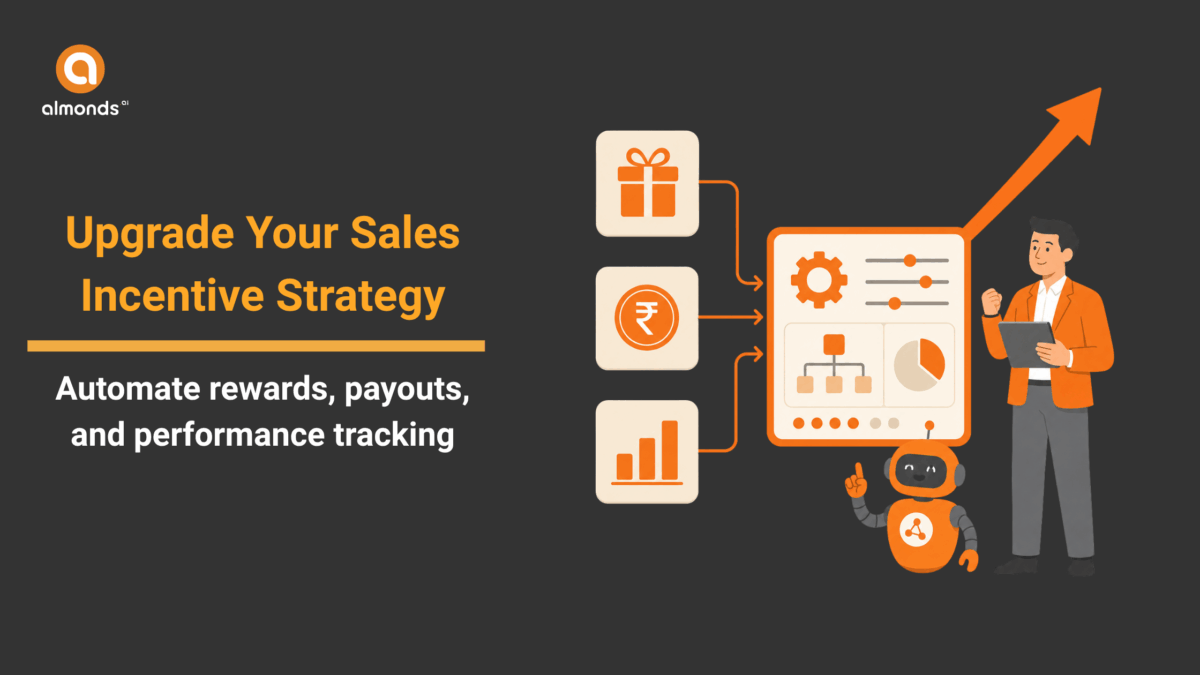
Dynamic Rewarding Systems Based on Real-Time Performance

Channel partners, retailers, distributors, dealers, and resellers have a decisive role in market reach and revenue growth in the current competitive B2B ecosystem. The old-fashioned loyalty programs that are based on fixed points, yearly goals, and delayed gratification cannot be considered sufficient to retain these partners. Channel partners are now demanding relevancy, immediacy, transparency, and rewards that are directly based on performance.

This is where performance-based rewarding programs that are dynamic and real-time are redefining B2B loyalty programs. These systems, specific to channel partner ecosystems, use live data, automation, and intelligent rules to encourage partners not periodically, but constantly. 

Dynamic rewards are no longer a luxury between organizations that want to scale channel performance, reduce churn, and develop long-term partner relationships.

Understanding Dynamic Rewarding Systems in B2B Loyalty

A dynamic rewarding system is a performance-based loyalty system in which incentives are automatically elicited depending on the real-time partner activity. Unlike traditional B2B loyalty programs that rely on fixed slabs or quarterly payouts, dynamic systems respond instantly to partner behavior.

As an example, as soon as a distributor reaches a sales target, increases product mix, sells old stock, or enters a new market, the system immediately rewards them (with points, cashback, digital vouchers, or experiential benefits).

In B2B channel loyalty, this strategy brings rewards directly to business goals so that partners are not only rewarded based on volume but also based on the correct behaviors.

Why Real-Time Performance Matters for Channel Partners?

Channel partners work in marketplaces that are highly dynamic, and decisions made on a daily basis drive results. Late rewards tend to be demotivating since partners cannot clearly understand the relationship between the effort and reward.

The solution to this is real-time performance-based rewards, which:

  • Immediate reinforcement of desirable behavior.
  • Enhancing transparency and trust in the program.
  • Promoting long-term involvement rather than last-minute cramming.
  • Minimizing controversy concerning eligibility to rewards.

As a retailer and distributor, instant appreciation of effort develops confidence and loyalty to the brand. In the case of brands, it provides improved channel performance control.

Key Performance Metrics in Channel Loyalty Programs

The most suitable dynamic rewarding systems are those that are linked to well-established, quantifiable KPIs. These usually comprise:

Sales Volume and Growth

The partners are incentivized dynamically when they surpass the base sales, realize growth in past periods, or meet product-related targets.

Product Mix and Upselling

Incentives can be activated when partners are promoting priority SKUs, new introductions, or more profitable goods.

Frequency and Consistency

Instead of just rewarding high-volume players, dynamic systems can reward a consistent pattern of ordering, keeping smaller retailers on board.

Market Expansion

Incentives may be associated with the acquisition of new retailers, new geographies, or dormant accounts.

Inventory and Compliance Metrics

Rewards can be given to partners to clear slow-moving stock or maintain optimal inventory levels or adherence to brand guidelines.

By associating rewards with these metrics on-the-fly, businesses are provided with a more balanced and strategic channel performance model.

How do dynamic rewarding systems work in Practice?

The heart of an active rewarding system is a technology platform, which would be connected to sales, ERP, or distributor management systems. This enables the performance data to flow through continuously into the loyalty engine.

After data is captured, predefined rules are used to identify rewards triggers. For instance:

  • Get 500 points immediately when monthly sales reach 5 lakh.
  • “Get bonus rewards for selling 3 or more product categories in one order.”
  • “Upgrade tier upon meeting growth standards.

Dashboards, mobile apps, or partner portals allow partners to monitor their performance and rewards. This visibility makes the loyalty programs not a passive scheme but active performance tools.

Benefits of Dynamic Rewarding Systems for B2B Brands

Higher Channel Engagement

Partners are motivated to stay in the sales cycle, not merely at the quarter or year end with real-time rewards.

Improved Partner Motivation

Short-term rewards form a psychological connection between the action and the reward, which promotes long-term motivation.

Better ROI on Incentives

Since rewards are triggered only for desired behaviors, businesses avoid over-incentivizing low-impact activities.

Data-Driven Decision Making

Dynamic systems give background information about partner behavior, enabling brands to improve strategies and optimize reward systems.

Stronger Partner Relationships

Trust is earned through transparency and equity in reward allocation, which results in channel loyalty in the long term.

Advantages for Channel Partners

Dynamic rewarding systems are not just beneficial for brands, they are equally valuable for channel partners.

Partners gain:

  • Transparency of performance measures.
  • Quick access to rewards.
  • Flexibility in redeeming incentives
  • Just due process irrespective of scale.

Even mid-sized retailers and regional distributors feel valued and motivated because of such democratization of loyalty.

Personalization in B2B Channel Loyalty

One of the most powerful aspects of dynamic rewarding systems is personalization. Not every partner works on the same scale and with equal capabilities. Dynamic systems enable brands to develop tailored reward journeys through partner profiles.

For example:

  • Growth and efficiency can be rewarded to high-volume distributors.
  • Consistency and product adoption can be encouraged in small retailers.
  • Rewards can be offered during onboarding to new partners.

This degree of individualization makes programs more relevant and partner fatigue less.

Overcoming Challenges in Implementation

Although the dynamic rewarding systems can be of great value, proper planning is needed to ensure successful implementation.

Common challenges include:

  • Accuracy of data and integration of the system.
  • Excessively complicated rules of rewards.
  • Deficiency of awareness or training of partners.

The appropriate solution to these issues is to select the appropriate technology partner, streamline reward logic, and train channel partners by providing clear communication and onboarding services.

The Future of B2B Loyalty Programs

With B2B ecosystems increasingly becoming more digital and data-driven, loyalty schemes will move forward toward being not mere schemes but smart engagement platforms. The next-generation channel loyalty strategies will be based on real-time performance-related rewards.

These systems will be further optimized by artificial intelligence, predictive analytics, and automation so that brands can anticipate what partners need, suggest actions, and reactively change rewards in real time.

Conclusion

Rewarding systems that are dynamic and work on real-time performance are changing the way brands interact with their channel partners. These systems lead to a win-win ecosystem, where partners are motivated, recognized, and loyal, and brands gain a steady increase and improved channel control by tying incentives to immediate action and long-term strategies.

In the quest to build stronger B2B channel relationships, shifting away from the traditional models of loyalty is no longer an option but a strategic necessity. Take advantage of smart, real-time rewarding systems tailored explicitly towards channel partners with Almond AI.

Build smarter loyalty programs that motivate retailers and distributors, drive measurable performance, and deliver higher ROI, starting today.

FAQs

  1. How do real-time rewards improve channel partner motivation?


    Real-time rewards create an immediate link between effort and incentive, improving transparency, trust, and motivation while encouraging channel partners to stay actively engaged throughout the sales cycle, not just during scheme periods.

  2. Which performance metrics can be linked to dynamic rewards?


    Dynamic rewards can be linked to sales growth, product mix, ordering frequency, inventory clearance, compliance metrics, and market expansion, allowing brands to incentivize both volume-driven and behavior-driven channel performance effectively.

  3. Are dynamic rewarding systems suitable for small retailers and distributors?


    Yes, dynamic rewarding systems support personalization, enabling fair reward opportunities for small retailers and mid-sized distributors by focusing on growth, consistency, and engagement instead of only high-volume sales achievements.

  4. How can Almond Ai help implement dynamic B2B rewarding systems?


    Almond Ai enables brands to design, automate, and manage real-time performance-based loyalty programs, integrating live data, intelligent rules, dashboards, and personalized rewards for scalable channel partner engagement.

31 Post views
Categories
Blogs

Points-Based Channel Loyalty Programs: What Works, What Fails & What Brands Must Rethink

Across industries, brands rely on points to incentivize distributors, dealers, retailers, and contractors, rewarding purchases, driving sales targets, and encouraging repeat behavior. For years, points-based loyalty programs have worked because it is simple, scalable, and easy to communicate.

Channel partners understand points, track progress, and redeem rewards. However, as channel ecosystems become more competitive and partners engage with multiple brands simultaneously, the effectiveness of points-based systems is being increasingly questioned. 

The challenge is not that points no longer work. The challenge is that points alone are no longer enough. To build meaningful channel loyalty, brands must move beyond transactional incentives and rethink how points fit into a broader engagement strategy. 


Why Points Became the Default in Channel Loyalty 

Points-based loyalty systems gained popularity because they offer a flexible and intuitive way to influence partner behavior. At their core, they are rooted in behavioral science—the idea that visible progress and accumulation create motivation. 

When partners see points building up over time, it creates a sense of achievement and anticipation. The ability to “work toward” a reward encourages continued engagement and repeat activity.  

For brands, points provide control. They can adjust earning rates, introduce bonus campaigns, and influence specific behaviors such as increasing order size, promoting certain products, or participating in schemes. This flexibility makes points a powerful tool for managing channel performance. 

In addition, points systems are relatively easy to scale. Once the structure is in place, they can be extended across large partner networks without significant changes. 


The Real Value of Points in Loyalty Programs 

When designed correctly, points-based loyalty programs can deliver meaningful business outcomes. They are particularly effective in influencing specific partner behaviors that align with business goals. Points can be used to: 

  • Encourage repeat purchases and improve order frequency 
  • Increase average order value by incentivizing higher basket sizes
  • Promote new or slow-moving products
  • Drive participation during low-demand periods
  • Influence partner engagement with campaigns and initiatives  

This flexibility allows brands to align incentives with strategic priorities. As highlighted in industry insights, companies often use points to maximize lifetime value, stimulate demand, and optimize performance across different business cycles. However, the effectiveness of these programs depends on how well they are designed and executed. Without careful planning, the same flexibility that makes points powerful can also lead to inefficiencies. 


Where Points-Based Programs Start to Fail 

While points offer clear advantages, many channel loyalty programs struggle to deliver sustained impact. The issues are rarely with the concept itself, but with how it is implemented. 

When Channel Partners Start “Gaming System” 

Over time, partners become familiar with how points are earned and redeemed. Instead of driving genuine engagement, programs often encourage partners to optimize their behavior purely for rewards. 

Purchases may be timed around schemes, and engagement may be limited to high-incentive periods. This shifts the focus from long-term loyalty to short-term gain. 


When Loyalty Becomes Purely Transactional 

Points-based systems often reward only one type of behavior—purchases. While this drives sales in the short term, it does little to build deeper relationships. 

If loyalty is driven only by incentives, partners are likely to shift their attention to whichever brand offers better rewards at any given time. This creates a fragile form of loyalty that is easily disrupted. 


When Too Much Choice Creates Friction 

One of the advantages of points is that they offer flexibility in redemption. However, when reward catalogs become too complex or difficult to navigate, this flexibility turns into friction. 

Partners may struggle to understand how to redeem points or feel overwhelmed by the number of options. As a result, engagement drops and the perceived value of the program declines.  


When Point Value Feels Unclear 

Transparency plays a critical role in loyalty programs. If partners do not clearly understand what their points are worth, they are likely to undervalue them. 

Complex conversion structures or unclear redemption rules can create confusion, reducing trust in the program and limiting its effectiveness. 


When Points Lose Their Perceived Value 

Over time, channel partners may begin to feel that points are not as valuable as they once were. This can happen due to inflation in reward thresholds, reduced redemption value, or inconsistent program communication. 

When the perceived value of points declines, engagement drops significantly. Research indicates that a large proportion of participants feel that loyalty points no longer deliver the same value, leading to reduced participation.  


The Hidden Cost of Points Programs 

Points-based loyalty programs are often seen as cost-effective because they do not involve immediate cash payouts. However, the reality is more complex. 

Every point issued represents a future financial liability. Until points are redeemed or expire, they remain on the company’s balance sheet as deferred value. In large-scale programs, this can translate into significant financial exposure. In addition to financial costs, there are operational challenges. Managing a points program requires: 

  • Tracking issuance and redemption 
  • Forecasting liabilities 
  • Maintaining reward catalogs 
  • Ensuring system reliability  

These behind-the-scenes requirements make points programs more complex than they appear. 


Why Points Alone Cannot Build Channel Loyalty 

Points can influence behavior, but they do not define relationships. True channel loyalty is built on a combination of trust, experience, and consistent engagement. Channel partners value: 

  • Ease of doing business 
  • Reliable support 
  • Clear communication 
  • Relevant opportunities  

If these elements are missing, even the most generous points program will struggle to retain engagement. Points should be seen as one component of a broader strategy, not the strategy itself. 


What Modern Channel Loyalty Programs Do Differently 

To remain effective, channel loyalty programs must evolve beyond traditional structures. Modern programs integrate points with deeper engagement strategies. 

Combining Points with Engagement 

Points remain relevant, but they are combined with ongoing interaction. Programs now include communication, training, and participation-based incentives. 


Focusing on Behavior, Not Just Transactions 

Instead of rewarding only purchases, modern programs incentivize behaviors such as product promotion, training participation, and platform engagement. 


Simplifying the Redemption Experience 

Ease of redemption is critical. Programs that allow partners to quickly understand and use their points see higher engagement and satisfaction. 


Making Value Transparent 

Clear communication of point value builds trust. Partners should easily understand how points translate into rewards. 


Personalizing Incentives 

Not all partners are the same. Tailoring rewards and communication based on behavior and preferences improves effectiveness and engagement. 


The Role of Data in Optimizing Points-Based Programs 

As channel ecosystems grow, managing loyalty programs without data becomes increasingly difficult. Analytics plays a crucial role in understanding how partners interact with points systems and identifying areas for improvement. 

Channel loyalty analytics enables businesses to: 

  • Track redemption patterns 
  • Identify disengaged partners
  • Measure program effectiveness
  • Optimize reward structures
  • Improve ROI  

Solutions such as Insights Ai by Almonds Ai bring this intelligence into loyalty programs by analyzing partner behavior and providing actionable insights. This allows organizations to move from static program management to continuous optimization. 


The Future of Points in Channel Loyalty 

Points are unlikely to disappear from loyalty programs. They remain a familiar and effective mechanism for influencing behavior. However, their role is evolving. The future lies in combining points with: 

  • Experience-driven engagement 
  • Behavior-based incentives 
  • Real-time analytics 
  • Personalized interaction  

In this model, points are no longer the centerpiece. They become part of a broader system designed to build meaningful and lasting partner relationships. 


Conclusion 

Points-based loyalty programs are not inherently flawed. They have played a critical role in shaping channel engagement strategies and continue to offer value when used correctly. 

However, relying on points alone is no longer sufficient in today’s competitive environment. To build sustainable channel loyalty, brands must integrate points into a broader framework that includes engagement, personalization, and data-driven decision-making. 

The shift is not about replacing points, but about redefining their role within modern loyalty systems. 

FAQs 

Are points-based channel loyalty programs still effective? 

Points-based channel loyalty programs are still effective when used as part of a broader engagement strategy. They work well for incentivizing repeat purchases and driving short-term partner activity. However, relying only on points often leads to transactional behavior. To improve effectiveness, businesses should combine points with personalization, engagement initiatives, and data-driven insights to build long-term partner loyalty. 


Why do partners lose interest in loyalty points? 

Partners lose interest in loyalty points when the perceived value declines or the program becomes difficult to understand. This can happen due to unclear redemption processes, low-value rewards, or overly complex structures. When partners feel that points do not translate into meaningful benefits, engagement drops. Maintaining transparency, relevance, and ease of redemption is essential to sustain interest in points-based loyalty programs. 


How can brands improve points-based loyalty programs? 

Brands can improve points-based loyalty programs by focusing on simplicity, personalization, and behavioral engagement. This includes offering relevant rewards, simplifying redemption processes, and rewarding actions beyond purchases, such as training participation or product promotion. Using channel loyalty analytics to track partner behavior also helps optimize program design and ensure that incentives drive meaningful engagement and long-term value. 


What are the risks of points-based loyalty programs? 

Points-based loyalty programs carry several risks, including financial liability, declining engagement, and over-reliance on transactional incentives. Every point issued represents a future cost, which can accumulate significantly over time. Additionally, poorly designed programs may lead to low redemption rates or partner disengagement. Without proper analytics and optimization, these programs can become costly without delivering strong returns on investment. 


How can analytics improve channel loyalty programs? 

Channel loyalty analytics helps businesses understand partner behavior, measure engagement, and optimize program performance. By tracking metrics such as redemption rates, purchase frequency, and engagement levels, organizations can identify what drives loyalty and where improvements are needed. Advanced solutions like Insights Ai enable real-time insights, allowing brands to personalize incentives, reduce churn, and improve overall ROI from their loyalty programs. 


What is the difference between transactional and behavior-based loyalty? 

Transactional loyalty focuses on rewarding purchases and short-term actions, typically through points or incentives. Behavior-based loyalty, on the other hand, rewards a broader set of partner activities such as engagement, training, and product advocacy. While transactional programs drive immediate results, behavior-based loyalty builds deeper relationships and long-term commitment, making it more sustainable in competitive channel ecosystems. 


How do you measure ROI in channel loyalty programs? 

ROI in channel loyalty programs is measured by comparing the cost of incentives and program management with the value generated through increased sales, engagement, and partner retention. Key metrics include repeat purchase rate, partner lifetime value, and reward redemption rate. Using analytics platforms helps businesses track these metrics accurately and identify which program elements contribute most to long-term growth. 

26 Post views
Categories
Blogs

Hybrid Loyalty Models: Combining Trade Schemes & Rewards

In the current competitive B2B environment, channel partner loyalty cannot be based on the largest discount or the most dazzling incentive anymore. Retailers, distributors, dealers, and wholesalers are seeking long-term value, rather than short-term returns.

It is in this area that models of hybrid loyalty, a strategic combination of classic trade plans and formalized reward schemes, are redefining the interaction and retention of channel partners by the brand.

With the organizations that are dealers with B2B loyalty programs that are channel-specific, the hybrid loyalty models are a potent approach to influence sales, enhance engagement, and create a long-lasting relationship throughout the distribution channel.

Understanding Trade Schemes in B2B Loyalty

Channel partner engagement has always been based on trade schemes. They are normally short-term, transaction-based incentives aimed at driving volume and speeding up sales.

  • Quantity-based discounts
  • Slab-wise incentives
  • Limited-period schemes
  • Freebies or extra margins.
  • Target-based cash payouts
  • Advantages of Trade Schemes.

Strengths of Trade Schemes

  • Deliver immediate motivation
  • Promote surges in sales.
  • Are simple to read and comprehend.
  • Assist in selling surplus.

Limitations of Standalone Trade Schemes

  • They encourage deal-hunting behavior, not loyalty.
  • The channel partners will change brands readily when superior schemes are offered.
  • No emotional or long brand commitment is developed.
  • Hard to measure actual involvement except through quantity of sales.
  • This is where organized rewards are involved.

The Role of Rewards-Based Loyalty Programs

The loyalty programs based on rewards aim to create a lasting interaction and reputation with the brand instead of a one-time transaction.

Key Characteristics of Rewards Programs

  • Point accumulation over time
  • Non-cash rewards such as vouchers, merchandise, travel, or experiences
  • Recognition tiers (Silver, Gold, Platinum)
  • Personalized incentives based on partner behavior

Benefits for Channel Partners

Rewards programs:

  • Encourage repeat engagement
  • Create a sense of achievement and progression
  • Offer aspirational value beyond cash margins
  • Build emotional loyalty to the brand

Challenges When Used Alone

While powerful, rewards programs alone may:

  • Take time to show results
  • Feel less impactful during high-pressure sales cycles
  • Not fully replace the urgency created by trade schemes

This gap is exactly why hybrid loyalty models work so well.

What Are Hybrid Loyalty Models?

A hybrid loyalty program is a blend of instant satisfaction provided by trade schemes and long-term interaction of rewards programs into one unified approach.

Rather than making the trade-off between short-term incentives and long-term loyalty, brands are using both concurrently and bringing the immediate business objectives in line with long-term partner relationships.

Why Are Hybrid Loyalty Models Ideal for Channel Partners?

The channel partners have to work in a challenging environment: low margins, many relationships with the brand, and competition are always there. It is a combination of these realities that hybrid models can deal with.

1. Balancing Short-Term Sales and Long-Term Loyalty

Trade schemes drive immediate sales, and rewards keep partners engaged even during non-promotional times. This equilibrium assists brands:

  • Achieve quarterly targets
  • Reduce scheme dependency
  • Retain partners year-round.

2.Appealing to Different Partner Motivations

  • The same incentives do not motivate all partners.
  • Others like immediate discounts and cash allowances.
  • Others appreciate recognition, status, and aspirational rewards.

Hybrid models are able to serve both mindsets.

3.Reducing Brand Switching

By earning points, unlocking levels, or receiving special privileges, changing brands will be expensive not only in terms of money but also in terms of feelings and tactics.

4.Improved Data and Visibility

Combination programs produce more data:

  • Sales behavior
  • Engagement levels
  • Scheme participation
  • Reward redemption patterns

This information assists brands to refine future campaigns and customize offers.

Key Components of an Effective Hybrid Loyalty Model

1. Integrated Earning Mechanism

Channel partners should earn:

  • Instant benefits through trade schemes (discounts, slabs)
  • Long-term rewards (loyalty points) at the same time.

For example:

A distributor who meets a quarterly target will receive an upfront margin credit and will earn points towards premium rewards.

2.Tier-Based Recognition

Add levels, including

  • Bronze
  • Silver
  • Gold
  • Platinum

Higher tiers unlock:

  • Improved trade scheme entitlement.
  • Accelerated point earning
  • Special privileges or rewards.

This promotes steady performance, not a single spike.

3.Effective Communication and Openness

Complex programs do not work without clarity. An effective hybrid model will guarantee:

  • Simple scheme rules
  • Live tracking of points and rewards.
  • Defined benefit plans.
  • Here, digital dashboards and mobile applications are essential.

4.Channel Segment Personalization

Distributors, retailers, and wholesalers possess varying interests. Hybrid models must permit:

  • Customized trade schemes per segment
  • Tailored reward catalogs
  • Localized incentives
  • Relevance and involvement are enhanced by personalization.

5.Seamless Digital Enablement

Software tracking murders loyalty programs. The modern hybrid models are based on:

  • Automated point calculation
  • Digital reward catalogs
  • Instant notifications
  • Data-driven insights

Measuring the Success of Hybrid Loyalty Programs

Brands should monitor the appropriate metrics to guarantee ROI:

  • Incremental sales uplifts in and after schemes.
  • Partner retention rates
  • Recurring involvement in programs.
  • Reward redemption frequency
  • Product-category share of wallet.

Hybrid models have been shown to be more successful than individual schemes since they provide short-term and long-term interaction.

Common Mistakes to Avoid

  • Unnecessarily complicating the program structure.
  • Concentrating on high-volume partners.
  • Delayed reward fulfillment
  • Poor ground-level communication.
  • Taking loyalty as a single campaign rather than a lasting strategy.

These traps need to be avoided in order to reap the maximum benefits of hybrid loyalty models.

The Future of B2B Channel Loyalty

With increasing competition and narrowing of margins, B2B brands can no longer afford to rely on discounts alone in achieving channel loyalty. The future lies in smart, data-driven hybrid loyalty models that do not see partners as sales channels only but also as long-term growth partners.

The combination of the urgency of trade schemes and the emotional appeal of the rewards will enable brands to develop loyalty that will stay beyond the cycle of schemes.

Conclusion

Hybrid loyalty models are no longer an option but a strategic requirement of brands that take channel partner engagement seriously. By thoughtfully blending trade schemes with rewards, businesses can drive immediate sales, foster long-term loyalty, and gain deeper insights into partner behavior.

For organizations looking to design, manage, and scale B2B loyalty programs for channel partners, leveraging the right technology platform is critical. Partner with Almond AI to create data-driven, scalable, and personalized B2B loyalty solutions that truly engage retailers, distributors, and dealers beyond discounts.

FAQs

1. What are hybrid loyalty models in B2B?

Hybrid loyalty models combine trade schemes with reward programs, offering channel partners instant sales incentives while building long-term engagement, repeat purchases, and stronger brand preference across retailers and distributors networks.

2. How do hybrid loyalty programs benefit channel partners?


Unlike traditional trade schemes, hybrid programs reward consistent performance, tier progression, and engagement behaviors, reducing brand switching and creating sustainable loyalty among distributors, dealers, and retailers across diverse channel ecosystems.

3. Why is technology important for hybrid B2B loyalty programs?

Technology enables real-time tracking, automated point calculation, transparent dashboards, and personalized offers, making hybrid B2B loyalty programs easy to manage, scalable, and measurable for brands and channel partners everywhere globally.

4. Which businesses should adopt hybrid loyalty models?


Hybrid loyalty models suit retailers, distributors, wholesalers, and dealers seeking higher margins, recognition, and rewards, while brands gain better data, improved retention, and predictable sales growth across competitive B2B markets.

5. How can platforms like Almond Ai support hybrid loyalty programs?


Platforms like Almond Ai help brands design, automate, and optimize hybrid loyalty programs, integrating trade schemes, rewards, analytics, and personalization to maximize channel partner engagement and long-term ROI sustainably globally.

24 Post views
Categories
Blogs

How to Reduce Reward Costs While Increasing Engagement in Channel Loyalty Programs

Reward costs in channel loyalty programs are rising, but not always for the right reasons. In many cases, higher spending is a response to declining engagement rather than a driver of it. Brands increase incentives to maintain participation, but without improving how those incentives work, the returns remain inconsistent. 

In India’s channel ecosystems, where dealers, distributors, and retailers often engage with multiple competing brands, this problem becomes more pronounced. Loyalty programs that rely heavily on rewards without understanding partner behavior tend to become expensive and inefficient. 

Reducing reward costs, therefore, is not about cutting budgets. It is about improving reward efficiency, channel engagement quality, and behavioral alignment. 


Why Reward Costs Keep Increasing in Channel Loyalty Programs 

Most reward inflation is a result of poor loyalty program design, not market pressure. When incentives are tied only to transactions, brands are forced to continuously increase reward value to maintain the same level of participation. 

This creates a dependency loop. Partners engage when incentives peak and disengage when they normalize. Over time, loyalty programs lose their ability to influence behavior without higher spending. 

Another structural issue is lack of segmentation. High-performing partners receive rewards they would have earned anyway, while low-engagement partners remain unaffected. Without differentiation, reward budgets are spread thin across the ecosystem without meaningful impact. 

In absence of channel loyalty analytics, most programs operate without clarity on which incentives are actually driving incremental behavior. 


Low Channel Engagement Drives Higher Costs 

The real cost driver in most loyalty programs is not rewards; it is low channel engagement efficiency. If only a small percentage of partners actively participate, the effective cost per engaged partner increases significantly. Inactive or partially active partners dilute program impact while still contributing to operational and incentive overhead. 

This creates a false perception that more rewards are needed, when in reality, the issue lies in activation and participation. Increasing engagement within the existing partner base often delivers better ROI than expanding reward budgets. 

Programs that fail to address engagement drop-offs end up compensating with higher incentives instead of fixing the underlying issue. 


The Reward Cost vs Engagement Trade-Off: Myth vs Reality 

The assumption that higher rewards directly lead to higher engagement is misleading. In practice, reward size has diminishing returns when relevance is low. 

Generic incentives, even when high in value, often fail to drive consistent participation. On the other hand, targeted incentives aligned with partner behavior can create stronger engagement at a lower cost. 

The trade-off is not between cost and engagement. It is between inefficiency and optimization. When rewards are designed with context, timing, partner profile, and behavior, they become more effective without requiring higher spend. 


Key Reasons Loyalty Programs Waste Reward Budgets 

Rewarding the Wrong Behavior 

Programs that focus only on purchases miss the opportunity to influence upstream behaviors such as product awareness, training, and promotion. This limits long-term impact and reduces engagement depth. 


One-Size-Fits-All Incentives 

Uniform reward structures ignore variability in partner potential and motivation. Incentives that are too generic fail to resonate, leading to lower participation and wasted spend. 


Poor Redemption Experience 

When redemption is complex or unclear, perceived value drops. Even strong incentives lose effectiveness if partners cannot easily access or understand their benefits. 


Lack of Data Visibility 

Without visibility into engagement patterns and reward performance, programs cannot evolve. This results in continued investment in incentives that may not be driving meaningful outcomes. 


Over-Incentivizing Active Partners 

Top-performing partners often receive disproportionate rewards without incremental behavior change. This inflates costs without improving engagement or loyalty. 


Strategies to Reduce Reward Costs Without Losing Engagement 

Shift from Transaction-Based to Behavior-Based Rewards 

Rewarding behaviors such as training participation, product promotion, and platform engagement creates earlier and more consistent touchpoints. This reduces reliance on high-value transactional incentives. 


Personalize Incentives Based on Partner Segments 

Segmentation allows incentives to be aligned with partner capability and intent. Targeted rewards improve conversion while reducing unnecessary distribution across low-impact segments. 


Optimize Reward Catalogs 

Analyzing redemption data helps identify which rewards actually drive engagement. Removing low-performing options and focusing on relevant rewards improves both participation and cost efficiency. 


Improve Redemption Simplicity 

Ease of redemption directly impacts perceived value. Clear structures and frictionless processes increase utilization without increasing reward value. 


Use Non-Monetary Incentives 

Recognition, access, and exclusivity create engagement without direct financial cost. These mechanisms are particularly effective in strengthening long-term partner relationships. 


Focus on High-Value Partner Segments 

Allocating resources based on partner lifetime value ensures that reward budgets are directed toward segments that contribute the most to business outcomes. 


Run Micro-Campaigns Instead of Large Schemes 

Short, targeted campaigns allow better control over spend and faster feedback loops. This enables continuous optimization rather than periodic over-investment. 


The Role of Channel Loyalty Analytics in Cost Optimization 

Cost optimization requires visibility into how rewards translate into behavior. Without this, programs remain reactive. 

Channel loyalty analytics connects incentive spend with engagement outcomes. It helps identify which actions are being influenced, where participation is dropping, and how different segments respond to rewards. 

Platforms like Insights Ai by Almonds Ai enable this by providing real-time visibility into partner activity, reward utilization, and engagement trends. This allows programs to be adjusted continuously, reducing waste and improving efficiency. 


Key Metrics to Track for Cost Efficiency


These metrics are most effective when analyzed together rather than in isolation. 


How Leading Brands Balance Cost and Engagement 

Effective programs do not reduce costs by limiting rewards. They improve efficiency by aligning incentives with behavior and continuously refining program design. 

This involves identifying where rewards drive incremental value, eliminating low-impact spend, and adapting strategies based on real engagement data. Over time, this creates a system where cost and engagement move in the same direction rather than opposing each other. 


The Future: Smarter, Leaner Loyalty Programs 

Channel loyalty programs are moving toward systems that are adaptive, data-driven, and behavior-focused. Static incentive structures are being replaced by dynamic models that respond to partner activity in real time. 

Advancements in analytics and AI will further improve precision, enabling programs to deliver higher engagement with lower spend. The focus will shift from reward distribution to engagement optimization. 


Conclusion 

Reducing reward costs is not a budgeting exercise. It is a design problem. Programs that rely on increasing incentives to maintain engagement will continue to see rising costs without proportional returns.

In contrast, programs that focus on behavior, segmentation, and analytics can improve engagement while reducing spend. The goal is not to spend less. It is to spend with clarity, intent, and measurable impact.  

FAQs 

How can businesses reduce loyalty program costs without affecting engagement? 

Businesses can reduce loyalty program costs by focusing on efficiency rather than cutting rewards. This includes targeting high-value partners, optimizing reward catalogs, and using analytics to track performance. Many b2b loyalty platform providers in Mumbai, Bangalore, and Indore now offer data-driven tools that help brands identify where rewards are being wasted and how to improve engagement without increasing spend. 


Do higher rewards always lead to better engagement in channel loyalty programs? 

Higher rewards do not always result in better engagement. In many cases, relevance and timing matter more than reward value. Personalized incentives and behavior-based rewards often outperform generic high-value incentives. Leading loyalty program companies in Bangalore and Mumbai focus on engagement design rather than just increasing reward budgets, helping brands achieve better results with optimized spending. 


What is the most effective way to optimize reward costs in a loyalty program? 

The most effective way to optimize reward costs is to align incentives with partner behavior and performance. This includes segmenting partners, rewarding meaningful actions, and simplifying redemption. Many b2b loyalty platforms in Indore and other emerging markets are increasingly adopting analytics-led approaches to ensure that every reward contributes to measurable engagement and ROI. 


How do loyalty analytics platforms help reduce program costs? 

Loyalty analytics platforms help reduce costs by providing visibility into partner behavior, reward usage, and engagement trends. They enable businesses to identify low-performing incentives, reduce unnecessary spend, and focus on high-impact activities. Modern loyalty program companies in Mumbai and Bangalore are integrating AI-driven analytics to continuously optimize program performance and cost efficiency. 


How should businesses choose the right loyalty program platform in India? 

Choosing the right platform depends on business goals, partner ecosystem complexity, and scalability requirements. Businesses should look for platforms that offer analytics, personalization, and flexible reward management. Evaluating b2b loyalty platform providers in Mumbai, Bangalore, or Indore can help identify solutions that are aligned with local market dynamics as well as enterprise-level capabilities. 


Are loyalty programs relevant for regional markets like Indore and tier-2 cities? 

Yes, loyalty programs are highly relevant in regional and tier-2 markets where channel relationships play a critical role in business growth. In cities like Indore, loyalty programs help brands strengthen distributor and retailer engagement, improve visibility, and drive consistent performance. Many loyalty program companies in Indore are now focusing on localized strategies to support these ecosystems effectively.

34 Post views
Categories
Blogs

Why Traditional Channel Loyalty Programs Fail (And What Modern Engagement Looks Like) 

Channel loyalty programs were built on simple mechanics: points, slabs, incentives, and periodic rewards, designed to drive repeat purchases and improve partner engagement. And they became a core strategy for brands operating through distributors, dealers, retailers, and contractor networks.

For a long time, this approach delivered results. However, as channel ecosystems have evolved, these traditional models are becoming increasingly ineffective. Channel partners today are exposed to multiple competing brands, similar incentive structures, and constant promotional noise. In this environment, loyalty programs built purely on transactions struggle to create meaningful differentiation. 

The challenge with traditional loyalty programs is not the absence of rewards, but the absence of relevance, experience, and behavioral understanding. Modern channel loyalty is no longer about how much incentive is offered. It is about how consistently a brand engages partners in meaningful ways across their daily workflow. 


The Problem with Traditional Channel Loyalty Programs 

Most channel loyalty programs still operate on predictable, transaction-driven mechanics. Partners earn points based on purchases, unlock tiers based on volume, and redeem rewards periodically. While these systems are easy to implement and scale, they often fail to influence long-term partner behavior. 

Over time, partners learn how to “optimize” these programs. Instead of becoming more loyal, they become more efficient at extracting value. Purchases are timed around schemes, rewards are maximized strategically, and engagement remains limited to transactional moments. 

This creates a structural problem. Brands continue to invest in incentives, but the expected improvements in purchase frequency, average order value, and long-term partner commitment do not materialize. The program becomes active, but not effective. 


When Loyalty Becomes Transactional, It Becomes Replaceable 

One of the biggest limitations of traditional channel loyalty is that it is designed around the next transaction, not the long-term relationship. Incentives are tied to immediate outcomes, which means partners respond only when there is a visible reward. 

In such systems, loyalty is shallow. If another brand offers a better scheme, partners can easily shift their focus. The relationship is not built on preference or trust, but on short-term value extraction. 

This leads to a cycle where brands continuously increase incentives to stay competitive, without necessarily improving loyalty. Over time, this approach becomes expensive and unsustainable. 

True channel loyalty cannot be built on incentives alone. It must be supported by consistent engagement, ease of doing business, and meaningful partner experience. 


Channel Loyalty Must Evolve from Programs to Experiences 

The most significant shift in modern loyalty is the move from program-based thinking to experience-based engagement. Instead of focusing only on rewards, brands need to consider how partners interact with them across the entire journey. 

For channel partners, loyalty is shaped by everyday experiences: 

  • How easy it is to place orders
  • How quickly issues are resolved
  • How relevant communication feels
  • How consistently the brand shows up  

These factors often have a stronger impact on loyalty than points or rewards. A partner who finds it easy to do business with a brand is more likely to stay engaged, even in the absence of aggressive incentives. 

The future of channel loyalty lies in combining rewards with frictionless, consistent, and personalized experiences. 


Experience-Driven Engagement Creates Stronger Partner Loyalty 

Some of the most successful engagement models today are not driven by rewards at all. They are driven by consistency, reliability, and ease. 

In channel ecosystems, this translates into: 

  • Seamless onboarding for new partners
  • Clear communication and visibility
  • Reliable product availability
  • Consistent support and interaction  

When these elements are in place, partners begin to prefer a brand not because of incentives, but because of operational convenience and trust. 

This is a critical shift. Loyalty moves from being reward-driven to experience-driven, making it harder for competitors to replicate. 


Behavior-Led Loyalty Is More Effective Than Reward-Led Loyalty 

Traditional loyalty programs reward outcomes, primarily purchases. Modern loyalty systems focus on behaviors that lead to outcomes. 

In channel ecosystems, these behaviors include: 

  • Participating in training programs
  • Engaging with campaigns
  • Promoting products actively
  • Adopting new product lines
  • Interacting with platforms  

When loyalty programs are designed around these behaviors, they create a more engaged and informed partner base. Over time, this leads to better performance and stronger relationships. 

Behavior-led loyalty also enables brands to influence partner actions earlier in the journey, rather than reacting only after a purchase is made. 


Habit and Identity Drive Long-Term Channel Loyalty 

One of the most underutilized aspects of channel engagement is habit formation. Partners who interact regularly with a brand—through platforms, programs, or communication—develop routines that reinforce engagement. For example: 

  • Regular platform logins
  • Consistent participation in campaigns
  • Ongoing training completion  

These actions create a sense of continuity and progress. Over time, partners begin to associate their daily workflow with the brand, making disengagement less likely. 

This is where loyalty transitions from being transactional to becoming part of a partner’s professional identity. The relationship becomes embedded in their routine, rather than driven by occasional incentives. 


Personalization Is More Powerful Than Generic Incentives 

Generic incentive programs treat all partners the same, regardless of their behavior, preferences, or performance. This often leads to low engagement because the value offered is not aligned with individual needs. Personalization changes this dynamic. By using data to understand partner behavior, brands can deliver: 

  • Relevant rewards
  • Targeted communication
  • Customized campaigns
  • Timely interventions  

A smaller, highly relevant incentive is often more effective than a large, generic one. Personalization builds trust and demonstrates that the brand understands the partner’s business. Over time, this leads to stronger engagement and higher long-term value. 


Small, Timely Interactions Build Stronger Engagement 

Loyalty is rarely built through large, one-time campaigns. It is built through consistent, small interactions that reinforce engagement over time. In channel ecosystems, these interactions include: 

  • Timely reminders
  • Progress updates
  • Milestone recognition
  • Contextual rewards  

These moments may seem minor individually, but they compound over time to create a strong engagement loop. Partners feel recognized, supported, and motivated to continue participating. This approach shifts loyalty from being event-driven to being continuous and embedded in daily workflows. 


The Role of Data and Analytics in Modern Channel Loyalty 

As loyalty becomes more behavior-driven, the role of analytics becomes central. Brands need visibility into how partners interact with programs, what drives engagement, and where drop-offs occur. Channel loyalty analytics enables organizations to: 

  • Identify high-value partners
  • Detect disengagement early
  • Measure program effectiveness
  • Optimize reward strategies
  • Personalize engagement at scale  

Solutions like Insights Ai by Almonds Ai bring this capability into a unified system. By analyzing partner behavior across touchpoints, such platforms help brands move beyond static reporting to actionable insights. This allows loyalty programs to evolve continuously, adapting to partner needs and market dynamics. 


The Future of Channel Loyalty

From Incentives to Intelligent Engagement 

The future of channel loyalty will be defined by intelligent, adaptive systems that respond to partner behavior in real time. Programs will no longer operate as fixed structures but as dynamic ecosystems that evolve based on data and interaction. Key shifts include: 

  • From rewards to relevance
  • From transactions to relationships
  • From static programs to adaptive systems
  • From generic engagement to personalized experiences  

Brands that embrace this shift will be better positioned to build strong, resilient partner networks. 


Conclusion 

Traditional channel loyalty programs are not failing because incentives are ineffective. They are failing because they are incomplete. They focus on transactions while ignoring the broader context of partner experience and behavior. 

Modern channel loyalty requires a more holistic approach, one that combines rewards with engagement, analytics, and personalization. It requires brands to understand their partners deeply, show up consistently, and create value beyond incentives. 

In this new landscape, loyalty is not something that can be bought. It is something that must be built through meaningful, consistent, and intelligent engagement. 


FAQs 

Why are traditional channel loyalty programs becoming ineffective? 

Traditional loyalty programs rely heavily on transactional incentives, which can be easily replicated by competitors. Without deeper engagement and personalization, they fail to build long-term partner loyalty. 


What is behavior-based channel loyalty? 

Behavior-based loyalty focuses on rewarding actions such as engagement, training participation, and product promotion, rather than just purchases. 


How can brands improve channel partner engagement? 

Brands can improve channel partner engagement by personalizing communication, reducing friction, recognizing partner progress, and using analytics to optimize program strategies. 


What role does analytics play in channel loyalty? 

Analytics helps measure channel partner behavior, identify partner engagement patterns, and optimize loyalty programs for better performance and ROI. 


What is the future of channel loyalty programs? 

The future lies in experience-driven, personalized, and data-led engagement systems that adapt to partner behavior in real time. 

141 Post views
Categories
Blogs

Why One-Size-Fits-All Loyalty Programs Don’t Work in B2B

The B2B world is complicated in nature; the buying cycle is long, and decision-making takes the involvement of many parties. However, numerous companies are still clinging to generic loyalty frameworks that are borrowed from B2C. 

Although such programs might be effective in the case of individual consumers, they fail in most instances when used on channel partners and distributors. A dealer loyalty program requires much more personalization, flexibility, and strategic depth than a single metric can provide.

Let’s look at why standardized loyalty programs do not work in B2B and what does?

1. B2B Dealers Are Not All the Same

Assuming that all dealers are equally motivated is one of the greatest weaknesses of a generic loyalty program among dealers. As a matter of fact, B2B dealers are diverse in relation to the following:

  •   Enterprise size and earning potential.
  •   Geographical market and client base.
  •   Product mix and sales ability.
  •   Long-term and growth stage objectives.

A small regional dealer can value marketing support and training; a larger distributor can value better margins, exclusive territories, or volume-based incentives. Such diverse needs cannot be met using a uniform rewards structure.

2. B2B buying decisions are not impulsive

B2B dealers do not react instantly to the instant discount or points, unlike the B2C customers. They would be loyal to profitability, ease of operations, and value of long-term partnerships. A dealer loyalty program, when generic, tends to be short-term in rewards, without considering what is really important in B2B, including the following:

  •   Predictable incentives
  •   Transparent performance tracking
  •   Strategic business development assistance.

Such programs fail to produce any significant engagement unless they are aligned with actual business results.

3. Varied Dealer Roles Demand Varied Incentives

Not every dealer has the same role in B2B ecosystems. Some emphasize volume sales, others high-end products, after-sales support, or market building. One loyalty system considers all contributions equal, even when they are not. A successful dealer loyalty program must distinguish rewards based on:

  •   Volume and value sales.
  •   New market acquisition
  •   Service quality and customer retention.
  •   Brand-building efforts

High-performing or strategically relevant dealers might feel not valued when these nuances are disregarded.

4. Generic Programs Do Not Do Personalization

In B2B, personalization is no longer a choice. The dealers require the brands to know their performance, challenges, and potential. The downfall of the one-size-fits-all programs is that they provide the same milestones, rewards, and communication to all.

A contemporary dealer loyalty program must feature the following:

  •   Tier structure or role structure.
  •   Individual dashboards and insights.
  •   Customized reward catalogs
  •   Specific challenges and incentives.

Loyalty programs cannot be relational without personalization, since it makes them transactional.

5. Low Visibility and Interaction

A lot of generic B2B loyalty programs are not very visible. Dealers are apt not to know:

  •   The proximity of rewards to them.
  •   What are the actions being monitored?
  •   What behaviors are incentivized?

This vagueness decreases motivation. An effective dealer loyalty program should provide a transparent and data-driven program and user-friendly features, preferably through online platforms that provide real-time information.

6. They do not adapt to the market changes

Business-to-business markets are volatile. Pricing stress, seasonal changes, and competition usually vary. A hard-and-fast loyalty model is unable to change rapidly.

A dealer-adaptive loyalty program will enable the brands to:

  •   Introduce incentive campaigns in the short term.
  •   Change rewards according to the market conditions.
  •   Encourage dealers in off-seasons.
  •   Promote specialization in strategic products.

The dealers should be kept active throughout the year, and this is made possible by flexibility.

7. Lack of Strategic Alignment

Most of the generic programs are concerned with incentivizing sales to the exclusion of wide business goals. An effective dealer loyalty program must be based on strategic objectives like the following:

  •   The growing portion of the wallet.
  •   A promotion of new or high-margin products.
  •   Expanding into new territories
  •   Improving data sharing and reporting

Loyalty programs that lack strategy alignment are treated as cost centers and not drivers of growth.

8. Technology Is the Missing Link

Traditional loyalty programs often rely on manual tracking, spreadsheets, or delayed reporting. This leads to errors, disputes, and low trust among dealers.

Technology-driven platforms enable smarter loyalty program for dealers by offering:

  •   Real-time performance tracking
  •   Automated reward calculations
  •   AI-driven personalization
  •   Actionable insights for both brands and dealers

The Smarter Alternative: Tailored, AI-Driven Loyalty

To truly engage and retain dealers, brands must move beyond generic models. A tailored, data-driven loyalty program for dealers recognizes individual dealer value, adapts to market dynamics, and aligns incentives with long-term growth.

This is exactly where Almond Ai stands out. Almond Ai helps businesses design intelligent, personalized loyalty programs powered by AI, ensuring every dealer is rewarded based on what truly drives growth.

Final Thoughts

One-size-fits-all loyalty programs do not work in B2B due to ignoring diversity, complexity, and strategy. Dealers do not want generic rewards; they want significant relationships to allow them to develop.

When you need to create a faster, smarter loyalty program for dealers, it’s time to pull out of the generic programs. By creating an individualized loyalty engine that is future-ready with Almond Ai, dealer engagement is matched with intelligent growth.

FAQs

How does Almond AI personalize loyalty programs for dealers?


Almond Ai uses performance data, behavior insights, and AI-driven analytics to create customized reward structures, tier-based incentives, and targeted campaigns. This ensures every dealer is rewarded based on their unique contribution and growth potential.

Can Almond AI support different types of dealers and channel partners?


Yes, Almond AI supports multiple dealer roles, distributor levels, and channel partner models. It allows businesses to design flexible loyalty programs that cater to regional dealers, large distributors, service partners, and growth-focused resellers.

How does Almond AI improve transparency and engagement in loyalty programs?


Almond Ai offers real-time dashboards, automated tracking, and clear performance metrics. Dealers can easily view their progress, rewards, and goals, which builds trust, boosts motivation, and encourages consistent participation.

Is Almond AI scalable for growing businesses?


Absolutely. Almond Ai is built to scale with your business. Whether you have a small dealer network or a large multi-region channel ecosystem, the platform adapts easily as your loyalty program grows and evolves.

169 Post views
Categories
Blogs

Communicating Benefits of Retailer Loyalty Programs to Retailers

Brands no longer compete against consumers alone and they also compete against the retailer’s mindshare. Supermarkets have a variety of brands that they can use, and they are restricted in their shelf area, advertisements, and suggestions. Retailer loyalty programs come in handy here as a strategic tool.

It is not enough to introduce a loyalty program. The difficulty is now in its ability to communicate its advantages to the retailers in a way that they can perceive it as a value-added partnership and not an additional operational burden.

This blog will discuss how retailer loyalty programs can be successfully sold by brands to retailers to increase adoption, engagement, and long-term success.

Emphasizing Revenue Growth Opportunities

The impact of retailer loyalty programs in relation to retailer revenue is one of the most powerful messages to convey. Retailers would be interested in doing it when they think that they can earn more.

The important messages to be conveyed include the following:

  •       Rewards on bulk purchases.
  •       Incentives on repetitive buying.
  •       Rewards on meeting sales goals.

The program becomes immediately more appealing when retailers learn that loyalty participation can raise their total profitability.

Showing Easy Participation

The hesitation on the part of the retailers is due to fear of an increase of complexity. It is important to communicate simplicity when marketing retailer loyalty programs.

Target your messages on:

  •       Simple enrollment processes
  •       Simple monitoring of points or rewards.
  •       Less paperwork or manual reporting.

Resistance can be minimized through clear communication of the ease of participation, and it also creates confidence in the retailers.

Positioning the Program as a Business Support Tool

The retailer loyalty programs cannot be placed as reward mechanisms alone. Rather, sell them as a means of assisting in the growth of retailers.

Describe the ways the program benefits retailers:

  •       Purchases plans more efficiently.
  •       Enhance cash flow, and rewards are predictable.
  •       Get into special programs or offers.

As retailers perceive the program as a means of enabling the business and not a selling strategy, the engagement naturally increases.

Building Trust with Data and Transparency

In a relationship between retailers, trust is significant. Participation can be enhanced by communicating the transparency in retailer loyalty programs. The main points to note:

  •       On-the-fly access to rewards and updates.
  •       Easy-to-understand rules with no quid pro quo.
  •       Proper and punctual reward delivery.

The retailers will tend to remain loyal when they believe that the program is just, open, and trustworthy.

Personalizing Communication for Different Retailer Segments

Retailers are not all equal. A one-size-fits-all message weakens the impact of retailer loyalty programs. Divide your communication according to:

  •       Small vs. large retailers.
  •       Superior versus new retailers.
  •       City vs. suburban markets.

Tailored messaging makes retailers feel that the program was created to meet the specific business needs of the retailer, which leads to greater emotional and commercial buy-in.

Showcasing Long-Term Relationship Benefits

Retailers value stability and long-term partnerships. Explain the way retailer loyalty programs build stronger relationships as time goes by.

Benefits:

  •       Preferential treatment to new products.
  •       Rewards are exclusive due to long-term association.
  •       Preferred or premium partner recognition.

This changes the discussion into long-term cooperation instead of short-term incentives, which appeals greatly to the retailers.

Using technology to bring clarity in communication

Technology may play an important role in improving the communication and management of retailer loyalty programs. Online resources can facilitate the simplification of complicated tasks and make information easy to understand.

Use technology to:

  •       Offer performance and rewards dashboards.
  •       Automatic notifications and reminders.
  •       Offer instant reward visibility

The ability to communicate with clarity and use technology enhances trust and makes retailers never feel out of shape or demotivated.

Enhancing Benefits by Maintaining Engagement

Onboarding should not be the end of communication. Constant interaction is needed to retain retailer loyalty programs.

Best practices include:

  •       Periodic notification on rewards or schemes.
  •       Summaries of performances with earned benefits.
  •       Milestone-related motivational messages.

Constant communication builds upon value and ensures retailers remain engaged in the program.

Final Thoughts

The trick of making people understand the advantages of retailer loyalty programs is the key to the success of adopting and achieving success in the long run. Once retailers clearly see how a program is bringing in more money, making their work easier, and helping businesses to succeed, they will be much more willing to join and stay.

The current technologies such as Almond AI streamline this communication by integrating data, automation, and personalization. Through appropriate messaging tactics and tools, brands will be able to make retailer loyalty programs formidable partnerships that will lead to sustainable growth.

Make your retailer loyalty programs smarter and, meanwhile, communicate and engage without interruptions. Choose Almond AI to create better retailer relationships and open up quantifiable business growth.

FAQs

1. How do retailer loyalty programs strengthen long-term brand–retailer relationships beyond short-term incentives?


Retailer loyalty programs go beyond transactional rewards by fostering consistency, trust, and mutual growth. When retailers receive ongoing value, recognition, and performance-based benefits, they are more likely to prioritize the brand, allocate shelf space, and sustain long-term partnerships.

2.What role does data play in making retailer loyalty programs more effective for retailers?


Data-driven retailer loyalty programs provide retailers with clear visibility into performance, rewards, and growth opportunities. Accurate data helps retailers plan inventory, optimize ordering cycles, and make informed decisions, transforming loyalty programs into strategic business tools rather than mere incentive schemes.

3.How can retailer loyalty programs be customized for different retailer segments without increasing complexity?


Advanced loyalty platforms allow brands to segment retailers based on size, location, or performance and offer tailored rewards automatically. This ensures relevance for each retailer while maintaining operational simplicity, scalability, and consistency across the entire loyalty ecosystem.

3.Why is transparent communication critical to the success of retailer loyalty programs?

Transparency builds credibility and trust. Retailers need clarity on how rewards are earned, tracked, and redeemed. Transparent communication eliminates doubts, reduces disputes, and encourages consistent participation, ensuring retailers view the program as fair and dependable.


142 Post views
Categories
Blogs

Channel Loyalty Analytics: Metrics, Strategy & How to Measure Partner Engagement ROI

Channel loyalty programs have become a core driver of growth for businesses operating through distributors, dealers, retailers, and contractors. These programs are designed to motivate partners, improve engagement, and influence sales performance across the ecosystem. However, while many organizations invest heavily in channel incentives and rewards, far fewer have a clear understanding of what is actually driving results. 

This is where channel loyalty analytics becomes critical. Without structured measurement, loyalty programs operate in a reactive mode—rewarding activity without understanding its impact. As partner ecosystems grow in size and complexity, this lack of visibility makes it difficult to optimize engagement, reduce inefficiencies, or scale programs effectively. 

Modern channel loyalty is no longer just about running programs. It is about building systems that can measure, interpret, and act on partner behavior in real time. Channel loyalty analytics enables organizations to move from assumption-driven decisions to data-driven strategy, ensuring that every incentive, campaign, and interaction contributes to long-term ecosystem growth. 


What Are Channel Loyalty Analytics? 

Channel loyalty analytics refers to the tools, metrics, and analytical methods used to measure how partners engage with a brand over time. It captures both behavioral signals (such as sales activity, participation, and reward redemption) and engagement signals (such as training involvement, program interaction, and responsiveness to campaigns). 

Unlike traditional sales analytics, which focuses on revenue outcomes, where it focuses on why channel partners behave the way they do. It helps organizations understand what drives engagement, what causes drop-offs, and how different partner segments respond to incentives. 

This distinction is important. Revenue tells you what has happened. Loyalty analytics explains what is likely to happen next. 

By combining multiple data points across the partner journey, organizations can build a clearer view of engagement patterns and design more effective loyalty strategies. 


Why Channel Loyalty Analytics Matters for Business Growth 

As channel ecosystems become more competitive, partner loyalty is no longer guaranteed. Distributors and retailers often work with multiple brands simultaneously, and their level of engagement depends on how effectively a brand supports and motivates them. 

Channel loyalty analytics provides the visibility needed to manage this complexity. It allows organizations to identify high-performing partners, detect early signs of disengagement, and refine program strategies based on actual behavior rather than assumptions. 

It also plays a critical role in improving return on investment. Without analytics, loyalty programs often become cost centers where rewards are distributed without clear linkage to outcomes. With analytics, businesses can evaluate which incentives drive performance, which segments respond best, and where resources should be allocated. 

In this way, analytics transforms loyalty from an operational activity into a strategic growth function. 


Channel Loyalty vs Channel Retention: A Critical Difference 

One of the most common misunderstandings in partner ecosystems is treating retention and loyalty as the same concept. While they are related, they represent different dimensions of engagement. 

Channel retention measures whether partners continue to do business with a brand over time. It answers the question: Are channel partners still active? 

Channel loyalty, on the other hand, focuses on the underlying motivation behind that activity. It answers the question: Why are they choosing to engage? 

A partner may continue purchasing from a brand due to pricing or availability, but that does not necessarily indicate loyalty. True loyalty is reflected in behaviors such as proactive promotion, consistent engagement, participation in programs, and long-term preference for the brand. 

Channel loyalty analytics helps uncover these deeper signals, enabling businesses to build relationships that go beyond transactional dependency. 


Key Channel Loyalty Metrics That Matter 

Measuring channel loyalty requires a combination of performance and engagement metrics. Each metric provides a different perspective on how partners interact with the brand. 

1. Partner Repeat Purchase Rate 

This metric measures how consistently partners place repeat orders over a defined period. A high repeat purchase rate indicates stable engagement and product alignment with partner demand.

high Repeat Purchase Rate, showing the correlation between consistent partner ordering and increased brand loyalty.

A decline in this metric may signal competitive pressure, reduced interest, or operational challenges that need to be addressed. 


2. Channel Retention Rate 

Channel retention rate tracks the percentage of partners who remain active over time. It provides a baseline view of ecosystem stability and helps identify churn patterns. However, retention alone does not indicate strong engagement. It must be analyzed alongside behavioral metrics to understand partner commitment. 


3. Average Order Value (AOV) 

Average order value reflects how much partners spend per transaction. In channel ecosystems, higher AOV often indicates stronger confidence in the brand and willingness to invest in inventory. Tracking AOV across partner segments can reveal which groups are driving the most value and where upselling opportunities exist. 


4. Partner Lifetime Value (PLV) 

Partner lifetime value estimates the total contribution a partner makes over the course of their relationship with the brand. It combines purchase frequency, order value, and duration of engagement. This metric is critical for prioritizing high-value partners and designing targeted engagement strategies that maximize long-term returns. 


5. Engagement Rate 

Engagement rate measures how actively partners interact with loyalty programs, campaigns, and communication channels. This includes participation in promotions, training programs, and platform usage. Low engagement often indicates that programs are not resonating with partners, even if sales remain stable in the short term. 


6. Reward Redemption Rate 

Reward redemption rate reflects how effectively partners are utilizing the benefits offered through loyalty programs. A high redemption rate indicates that rewards are relevant and motivating. Low redemption may point to friction in the redemption process or a mismatch between rewards and partner expectations. 


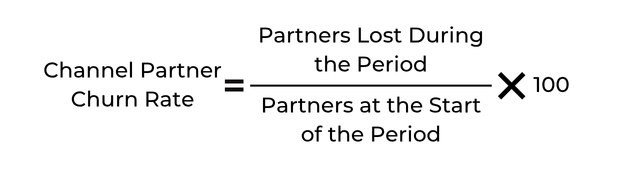
7. Partner Churn Rate 

Churn rate measures the percentage of partners who become inactive over a given period. It highlights gaps in engagement and helps identify areas where intervention is needed. High churn is often a sign of declining loyalty, even if overall revenue appears stable. 


Beyond Metrics: Measuring Partner Intent and Influence 

While traditional metrics provide valuable insights, they do not always capture the full picture of partner engagement. In many cases, partner intent is reflected through indirect behaviors rather than direct actions. 

For example, a retailer may explore new product lines, attend training sessions, or engage with brand communication without immediately increasing purchase volume. These signals indicate growing interest and potential future engagement. 

Channel loyalty analytics must therefore move beyond static metrics and incorporate behavioral signals and intent indicators. This allows organizations to identify opportunities early and respond proactively. 

Measuring influence across the partner journey helps create a more accurate and holistic understanding of loyalty. 


How to Use Channel Loyalty Analytics Effectively 

Identify and Protect High-Value Partners 

Analytics enables businesses to identify partners who contribute the most value over time. These partners often exhibit consistent purchasing behavior, high engagement, and strong alignment with the brand. 

Protecting these relationships requires targeted support, personalized incentives, and proactive communication. 


Personalize Channel Partner Engagement 

Different partners respond to different types of incentives and communication. By analyzing behavior patterns, businesses can segment partners and deliver more relevant engagement strategies. 

Personalization improves participation rates and strengthens long-term relationships. 


Optimize Loyalty Program Design 

Analytics provides insights into which rewards and incentives drive engagement. This allows organizations to refine program structures, eliminate ineffective elements, and focus on what works. 

Programs that evolve based on data are more likely to remain relevant and effective. 


Reduce Partner Churn Proactively 

Early warning signals such as declining engagement or reduced purchase frequency can indicate potential churn. By identifying these signals early, businesses can intervene with targeted actions to re-engage partners. 


Activate Brand Advocates 

Highly engaged partners often act as brand advocates, promoting products and influencing others within the ecosystem. Analytics helps identify these partners and create opportunities to amplify their impact. 


Design Premium Engagement Experiences 

Top-performing partners value recognition and exclusivity. Analytics can help identify segments that respond to premium experiences such as early access, exclusive rewards, or special programs. 


The Role of Loyalty Platforms in Channel Analytics 

As channel ecosystems grow, managing loyalty analytics manually becomes increasingly complex. This is where dedicated loyalty platforms play a critical role. 

Modern platforms integrate data from multiple sources, enabling organizations to track partner behavior, measure engagement, and optimize programs in real time. They provide centralized dashboards that transform raw data into actionable insights. 

Solutions such as Insights Ai by Almonds Ai are designed to bring intelligence into loyalty programs by analyzing partner activity, identifying patterns, and enabling data-driven decision-making. By connecting engagement signals with performance outcomes, such platforms help organizations move beyond reporting to an actionable strategy. 


The Future of Channel Loyalty Analytics 

The future of channel loyalty lies in predictive and behavior-driven systems. As data capabilities evolve, analytics will move from descriptive insights to real-time decision-making. 

Artificial intelligence will play a key role in identifying patterns, predicting partner behavior, and recommending actions. Loyalty programs will become more adaptive, responding dynamically to changes in engagement and market conditions. 

At the same time, there will be a growing focus on integrating multiple dimensions of loyalty, including sustainability, community engagement, and long-term value creation. 

Organizations that invest in advanced analytics capabilities will be better positioned to build resilient and high-performing partner ecosystems. 


Conclusion 

Channel loyalty programs are only as effective as the insights that drive them. Without analytics, they operate on assumptions, limiting their ability to deliver consistent results. 

Channel loyalty analytics provides the foundation for understanding partner behavior, optimizing engagement strategies, and maximizing return on investment. By combining the right metrics with intelligent systems, businesses can transform loyalty from a tactical initiative into a strategic growth engine. 


FAQs 

What is channel loyalty analytics? 

Channel loyalty analytics is the process of measuring and analyzing partner engagement, behavior, and performance to improve loyalty programs and drive long-term growth. 


How is channel loyalty different from customer loyalty? 

Channel loyalty focuses on business partners such as distributors and retailers, while customer loyalty focuses on end consumers. The metrics and engagement strategies differ significantly between the two. 


What is the most important metric in channel loyalty? 

There is no single metric. A combination of repeat purchase rate, engagement rate, and partner lifetime value provides a more complete picture of loyalty. 


How can analytics improve channel loyalty programs? 

Analytics helps identify what drives engagement, detect churn risks, and optimize program design, leading to better partner relationships and higher ROI. 


What role does AI play in loyalty analytics? 

AI enables predictive insights, real-time decision-making, and personalized engagement, making loyalty programs more effective and scalable. 

171 Post views
Categories
Blogs

Using Loyalty Programs to Launch New Products Through Retailers

A new product may be a tough thing to launch in a competitive market, particularly when you depend on retailers and distributors to make it go. A loyalty program for dealers is one of the best measures to secure successful product launches.

Not only do these programs motivate channel partners to aggressively market your new offerings, but they also enable you to create stronger connections, enhanced engagement, and faster sales.

Loyalty programs for dealers serve to reward distributors and retailers based on certain behaviors like stocking new products, achieving sales goals, or engaging in promotional campaigns. These programs form a long-term engagement cycle, unlike traditional incentives that encourage partners to keep your brand at the forefront.

Why Use a Loyalty Program to Introduce New Products to Dealers?

Retailers might not be willing to give it shelf space or even market it when you introduce a new product because they see some kind of risk. This barrier can be overcome by a loyalty program for dealers that will give incentives according to sales achievement, product training attendance, or even early adoption of the new product.

Key benefits include the following:

1. Faster Market Penetration

Brands promote new product proactivity by incentivizing dealers with a loyalty program for dealers. This assists products to reach many customers faster, adoption speeds up, and momentum gains in competitive markets.

2. Increased Engagement

Loyalty programs ensure that retailers are always engaged with your brand other than just on a one-time basis. Rewards, recognition, and regular communication encourage dealers to join campaigns and training and promote products in the long term.

3. Increased Retailer Behavior Visibility

A dedicated loyalty program is able to give real-time information on dealer activities. The ability to track sales, engage in promotions, and adopt products enables the brands to streamline campaigns, determine high performers, and use data in future product releases.

4. Stronger Partnerships

Incentives provided to dealers to be proactive build trust and loyalty. When channel partners can visibly realize gains in supporting your brand, the relationship goes deeper, cooperation becomes more successful, and long-term business alliances become stronger and more profitable.

Designing a Channel Partner Loyalty Program for New Product Launches

Your loyalty program for channel partners should be carefully designed to have the most impact:

1. Define Clear Goals

Determine what you want your channel partners to do. Do you want them to:

  • Buy new items in stock?
  • Market the product to end consumers?
  • Complete full training courses to learn product advantages?
    Establishing specific KPIs will ensure your loyalty program achieves tangible outcomes.
2. Select the Appropriate Reward Structure

Digital points, gift vouchers, merchandise, or cash are suitable rewards in B2B programs. A tiered system can be appropriate, with the best rewards given to those channel partners performing at the top.

3. Facilitate Enrollment and Participation

Ensure that your channel partners find it easy to enroll, track progress, and claim rewards. Automating the process using a digital platform such as Almond AI reduces administrative labor and enhances participation.

4. Communicate Regularly

Keep your channel partners informed about new products, running campaigns, and available rewards. Regular communication strengthens interest and reminds them of the benefits of participating.

5. Observe, Evaluate, and Streamline

Monitor sales, participation rates, and ROI using analytics. Ongoing testing will allow you to optimize the program for maximum effectiveness.

Conclusion

It takes more than marketing to launch a new product successfully; it takes an engaged, motivated, and loyal dealer network. An effective loyalty program for dealers  may speed up its uptake, enhance interest, and build long-term relationships. With explicit rewards, performance monitoring, and the help of digital apps such as Almond Ai, new product launches can be both effective and profitable.

Investment in an organized loyalty program for dealers  is not about rewards only; it is also about building a network of loyal partners in whom your business goals are aligned. Begin to plan today on your next product launch and witness how your dealer network can be your engine of growth.

Redesign your product rollouts through AI-based loyalty. Experience Almond AI to create, monitor, and optimize your dealer loyalty programs to achieve the greatest effect.

FAQs

1. Which are the Indian retailer B2B favorite reward programs in 2026?

Tiered point systems, digital gift redemption, and performance-based cash incentives are the most popular programs. There is a growing interest by brands in mobile-first digital platforms to simplify participation.

2. Are digital rewards more effective than physical gifts in B2B loyalty schemes?

Yes. Electronic rewards like instant cash-backs, electronic vouchers, or points that can be redeemed via apps are quicker, scalable, and more attractive to time-starved dealers than physical gifts.

3. How do we cope with multi-tier channel loyalty?

Divide dealers according to desired performance or potential, and provide performance-based rewards. The upper levels are awarded with higher pay, privileges, or higher education courses, whereas the lower levels can have an attainable reward to motivate development.

4. What are the leaders of AI-powered channel loyalty in India?

Automated rewards, predictive analytics, and personalized incentives to engage with dealers are becoming solutions of AI-based platforms, such as Almond AI.

175 Post views
Categories
Blogs

Behavior-Based Loyalty Programs: Why Rewarding Good Behavior Works Better Than Punishment

For decades, most systems designed to influence human behavior have relied on penalties. Whether in governance, compliance, or customer engagement, the assumption has been simple: people behave better when they are punished for doing something wrong. However, this approach often creates short-term compliance rather than long-term behavioral change. 

A growing shift is now emerging toward behavior-based loyalty systems that reward individuals for doing the right things consistently. One of the most compelling real-world examples is the proposed driver loyalty program in New South Wales (NSW), Australia, which rewards safe driving behavior instead of focusing solely on penalties. 

This shift signals a broader transformation in how organizations, governments, and businesses think about loyalty. Instead of reacting to negative actions, modern systems are increasingly designed to reinforce positive behavior over time. 


What Is a Behavior-Based Loyalty Program? 

behavior-based loyalty program is a system that rewards users for consistently demonstrating desired behaviors rather than just completing transactions or one-time actions. These programs focus on long-term engagement, habit formation, and positive reinforcement. 

Unlike traditional loyalty programs that reward spending or frequency, behavior-based systems track patterns such as consistency, discipline, participation, or compliance. Rewards are then aligned with these behaviors to encourage repetition. 

At its core, this model treats loyalty as a result of behavior design, not just incentive distribution. The goal is to create systems where users are naturally guided toward better actions through meaningful rewards. 


The NSW Driver Loyalty Program Explained 

The driver loyalty program proposed by the NSW government introduces a simple but powerful concept. Drivers who maintain a clean record without any offences for a continuous 12-month period are rewarded by having one demerit point removed from their license. 

Traditionally, road safety systems have focused on penalties such as fines, license suspensions, and demerit points to discourage unsafe driving. While effective to an extent, these measures primarily operate through fear of consequences. 

The proposed program introduces a complementary layer by rewarding positive behavior. Instead of only penalizing mistakes, it acknowledges and incentivizes consistent safe driving. 

This approach creates a more balanced system where drivers are motivated not only to avoid penalties but also to actively maintain good behavior over time. 


Why Behavior-Based Loyalty Models Work 

Behavior-based loyalty systems are gaining traction because they align more closely with how human motivation actually works. Rather than relying solely on deterrence, they create positive reinforcement loops that encourage sustained engagement. 

It Rewards Consistency Over One-Time Actions 

Traditional reward systems often focus on isolated events such as a purchase or a single interaction. In contrast, behavior-based loyalty programs emphasize consistency over time. 

In the case of the driver loyalty program, the reward is not tied to a single act of safe driving but to maintaining that behavior over an extended period. This encourages individuals to think long-term rather than focusing on short-term actions. 

Consistency-based rewards are more effective because they build habits, not just responses. 


It Builds Habit Loops 

Behavioral psychology suggests that habits are formed through repeated actions reinforced by positive outcomes. When individuals know that consistent behavior will lead to a meaningful reward, they are more likely to repeat that behavior. 

The 12-month structure of the driver loyalty program creates a clear habit loop. Drivers are continuously aware that their actions contribute to a future benefit, which reinforces disciplined driving patterns. 

Over time, this repetition transforms conscious effort into automatic behavior. 


It Shifts Emotional Motivation 

Penalty-based systems often create anxiety or fear-driven compliance. While this can influence behavior temporarily, it does not necessarily build positive associations. 

Behavior-based loyalty systems shift the emotional driver from avoidance to achievement. Instead of thinking about avoiding punishment, individuals focus on earning a reward. 

This subtle shift has a significant impact. Positive reinforcement creates a sense of progress and accomplishment, which strengthens long-term engagement. 


It Uses Meaningful and Contextual Rewards 

One of the most powerful aspects of the NSW driver loyalty program is the nature of the reward itself. Removing a demerit point is highly relevant to drivers because it directly impacts their driving record and future risk. 

This highlights an important principle of effective loyalty design: rewards must be meaningful within the user’s context. Generic incentives often fail to create strong engagement, whereas context-driven rewards feel valuable and personal. 

When rewards solve a real problem or reduce a real risk, they become significantly more motivating. 


The Psychology Behind Behavior-Based Loyalty 

To understand why behavior-based loyalty programs are effective, it is important to look at the psychological principles behind them. 

Human behavior is influenced by both intrinsic and extrinsic motivation. Intrinsic motivation comes from internal satisfaction, while extrinsic motivation is driven by external rewards. 

Behavior-based loyalty programs combine both elements. The act of maintaining good behavior can create a sense of personal discipline and achievement, while the reward reinforces that behavior externally. 

Another key principle is positive reinforcement. When a behavior is followed by a rewarding outcome, the likelihood of that behavior being repeated increases. Over time, this creates a feedback loop that strengthens habit formation. 

Additionally, these systems reduce cognitive friction. When individuals clearly understand what behavior is expected and what reward they will receive, decision-making becomes simpler. This clarity improves participation and consistency. 


The Shift from Transactional Loyalty to Behavioral Loyalty 

Traditional loyalty programs have largely been transactional. They reward users for spending money, making purchases, or completing specific actions. While effective in driving short-term engagement, these models often fail to build deeper loyalty. 

Behavioral loyalty represents a broader evolution. Instead of focusing only on transactions, it considers how users interact with a system over time. 

This shift reflects a deeper understanding of loyalty as an outcome of consistent positive experiences and actions. When systems reward behavior rather than just transactions, they create stronger and more durable relationships. 

The driver loyalty program is a clear example of this transition. It does not reward spending or frequency but instead focuses on responsible behavior sustained over time. 


Where Behavior-Based Loyalty Models Can Be Applied 

Behavior-based loyalty systems are not limited to road safety or governance. They have wide applicability across industries where consistent behavior plays a critical role. 

In insurance, companies can reward safe driving, healthy living, or risk-reducing actions. In financial services, institutions can incentivize disciplined saving or responsible credit usage. In healthcare, programs can encourage adherence to treatment plans or wellness routines. 

Even workplace systems can adopt this model by recognizing consistent performance, collaboration, or skill development. 

The common thread across these applications is the focus on long-term behavior rather than isolated actions. This makes behavior-based loyalty a versatile and scalable approach. 


The Future of Loyalty Systems 

As technology continues to evolve, behavior-based loyalty systems are expected to become more sophisticated. Advances in data analytics, real-time tracking, and AI-driven insights will enable organizations to understand user behavior at a deeper level. 

Future loyalty systems will likely be more adaptive, offering personalized incentives based on individual behavior patterns. They will move beyond static rules and operate as dynamic systems that respond to context in real time. 

These systems will also place greater emphasis on trust and transparency. As data plays a larger role in tracking behavior, users will expect clear communication about how their data is used and how rewards are determined. 

Ultimately, the future of loyalty lies in designing systems that feel supportive rather than controlling, and rewarding rather than punitive. 


Conclusion 

The proposed driver loyalty program in NSW represents a meaningful shift in how behavior can be influenced at scale. By rewarding consistent safe driving instead of relying solely on penalties, it introduces a more balanced and effective approach to behavior change. 

This model reflects a broader evolution toward behavior-based loyalty systems that prioritize long-term engagement, habit formation, and meaningful incentives. It demonstrates that loyalty is not just about transactions or rewards, but about designing systems that encourage better actions over time. 

As more organizations adopt this approach, loyalty will increasingly become a tool for shaping behavior, improving experiences, and building stronger, more sustainable relationships. 


FAQs 

What is a behavior-based loyalty program? 

A behavior-based loyalty program rewards users for consistently demonstrating desired behaviors over time rather than focusing only on transactions or one-time actions. These programs aim to build long-term habits by aligning incentives with positive behavior patterns. 


How does the NSW driver loyalty program work? 

The NSW driver loyalty program rewards drivers who maintain a clean driving record for 12 months by removing one demerit point from their license. This encourages consistent safe driving behavior instead of relying only on penalties. 


Why are rewards more effective than penalties? 

Rewards create positive reinforcement, which encourages individuals to repeat desired behaviors. Penalties may prevent negative actions temporarily, but rewards are more effective in building long-term habits and sustained engagement. 


What industries can use behavior-based loyalty programs? 

Behavior-based loyalty programs can be applied across industries such as insurance, healthcare, finance, mobility, and workplace management. Any system that benefits from consistent user behavior can adopt this model. 


How do behavior-based loyalty programs build long-term engagement? 

These programs create habit loops by rewarding consistent behavior over time. As users repeat the behavior to earn rewards, it becomes part of their routine, leading to stronger and more sustainable engagement. 

204 Post views