
Channel loyalty programs have become a core driver of growth for businesses operating through distributors, dealers, retailers, and contractors. These programs are designed to motivate partners, improve engagement, and influence sales performance across the ecosystem. However, while many organizations invest heavily in channel incentives and rewards, far fewer have a clear understanding of what is actually driving results.
This is where channel loyalty analytics becomes critical. Without structured measurement, loyalty programs operate in a reactive mode—rewarding activity without understanding its impact. As partner ecosystems grow in size and complexity, this lack of visibility makes it difficult to optimize engagement, reduce inefficiencies, or scale programs effectively.
Modern channel loyalty is no longer just about running programs. It is about building systems that can measure, interpret, and act on partner behavior in real time. Channel loyalty analytics enables organizations to move from assumption-driven decisions to data-driven strategy, ensuring that every incentive, campaign, and interaction contributes to long-term ecosystem growth.
What Are Channel Loyalty Analytics?
Channel loyalty analytics refers to the tools, metrics, and analytical methods used to measure how partners engage with a brand over time. It captures both behavioral signals (such as sales activity, participation, and reward redemption) and engagement signals (such as training involvement, program interaction, and responsiveness to campaigns).
Unlike traditional sales analytics, which focuses on revenue outcomes, where it focuses on why channel partners behave the way they do. It helps organizations understand what drives engagement, what causes drop-offs, and how different partner segments respond to incentives.
This distinction is important. Revenue tells you what has happened. Loyalty analytics explains what is likely to happen next.
By combining multiple data points across the partner journey, organizations can build a clearer view of engagement patterns and design more effective loyalty strategies.
Why Channel Loyalty Analytics Matters for Business Growth
As channel ecosystems become more competitive, partner loyalty is no longer guaranteed. Distributors and retailers often work with multiple brands simultaneously, and their level of engagement depends on how effectively a brand supports and motivates them.
Channel loyalty analytics provides the visibility needed to manage this complexity. It allows organizations to identify high-performing partners, detect early signs of disengagement, and refine program strategies based on actual behavior rather than assumptions.
It also plays a critical role in improving return on investment. Without analytics, loyalty programs often become cost centers where rewards are distributed without clear linkage to outcomes. With analytics, businesses can evaluate which incentives drive performance, which segments respond best, and where resources should be allocated.
In this way, analytics transforms loyalty from an operational activity into a strategic growth function.
Channel Loyalty vs Channel Retention: A Critical Difference
One of the most common misunderstandings in partner ecosystems is treating retention and loyalty as the same concept. While they are related, they represent different dimensions of engagement.
Channel retention measures whether partners continue to do business with a brand over time. It answers the question: Are channel partners still active?
Channel loyalty, on the other hand, focuses on the underlying motivation behind that activity. It answers the question: Why are they choosing to engage?
A partner may continue purchasing from a brand due to pricing or availability, but that does not necessarily indicate loyalty. True loyalty is reflected in behaviors such as proactive promotion, consistent engagement, participation in programs, and long-term preference for the brand.
Channel loyalty analytics helps uncover these deeper signals, enabling businesses to build relationships that go beyond transactional dependency.
Key Channel Loyalty Metrics That Matter
Measuring channel loyalty requires a combination of performance and engagement metrics. Each metric provides a different perspective on how partners interact with the brand.
1. Partner Repeat Purchase Rate
This metric measures how consistently partners place repeat orders over a defined period. A high repeat purchase rate indicates stable engagement and product alignment with partner demand.
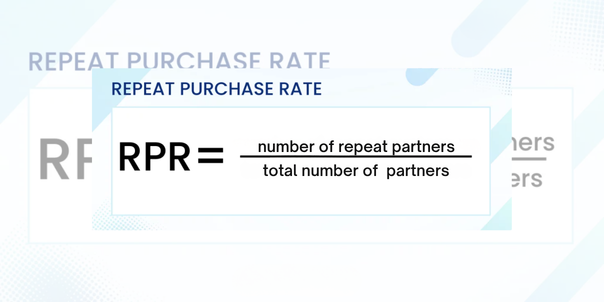
A decline in this metric may signal competitive pressure, reduced interest, or operational challenges that need to be addressed.
2. Channel Retention Rate
Channel retention rate tracks the percentage of partners who remain active over time. It provides a baseline view of ecosystem stability and helps identify churn patterns. However, retention alone does not indicate strong engagement. It must be analyzed alongside behavioral metrics to understand partner commitment.
3. Average Order Value (AOV)
Average order value reflects how much partners spend per transaction. In channel ecosystems, higher AOV often indicates stronger confidence in the brand and willingness to invest in inventory. Tracking AOV across partner segments can reveal which groups are driving the most value and where upselling opportunities exist.
4. Partner Lifetime Value (PLV)
Partner lifetime value estimates the total contribution a partner makes over the course of their relationship with the brand. It combines purchase frequency, order value, and duration of engagement. This metric is critical for prioritizing high-value partners and designing targeted engagement strategies that maximize long-term returns.
5. Engagement Rate
Engagement rate measures how actively partners interact with loyalty programs, campaigns, and communication channels. This includes participation in promotions, training programs, and platform usage. Low engagement often indicates that programs are not resonating with partners, even if sales remain stable in the short term.
6. Reward Redemption Rate
Reward redemption rate reflects how effectively partners are utilizing the benefits offered through loyalty programs. A high redemption rate indicates that rewards are relevant and motivating. Low redemption may point to friction in the redemption process or a mismatch between rewards and partner expectations.
7. Partner Churn Rate
Churn rate measures the percentage of partners who become inactive over a given period. It highlights gaps in engagement and helps identify areas where intervention is needed. High churn is often a sign of declining loyalty, even if overall revenue appears stable.
Beyond Metrics: Measuring Partner Intent and Influence
While traditional metrics provide valuable insights, they do not always capture the full picture of partner engagement. In many cases, partner intent is reflected through indirect behaviors rather than direct actions.
For example, a retailer may explore new product lines, attend training sessions, or engage with brand communication without immediately increasing purchase volume. These signals indicate growing interest and potential future engagement.
Channel loyalty analytics must therefore move beyond static metrics and incorporate behavioral signals and intent indicators. This allows organizations to identify opportunities early and respond proactively.
Measuring influence across the partner journey helps create a more accurate and holistic understanding of loyalty.
How to Use Channel Loyalty Analytics Effectively
Identify and Protect High-Value Partners
Analytics enables businesses to identify partners who contribute the most value over time. These partners often exhibit consistent purchasing behavior, high engagement, and strong alignment with the brand.
Protecting these relationships requires targeted support, personalized incentives, and proactive communication.
Personalize Channel Partner Engagement
Different partners respond to different types of incentives and communication. By analyzing behavior patterns, businesses can segment partners and deliver more relevant engagement strategies.
Personalization improves participation rates and strengthens long-term relationships.
Optimize Loyalty Program Design
Analytics provides insights into which rewards and incentives drive engagement. This allows organizations to refine program structures, eliminate ineffective elements, and focus on what works.
Programs that evolve based on data are more likely to remain relevant and effective.
Reduce Partner Churn Proactively
Early warning signals such as declining engagement or reduced purchase frequency can indicate potential churn. By identifying these signals early, businesses can intervene with targeted actions to re-engage partners.
Activate Brand Advocates
Highly engaged partners often act as brand advocates, promoting products and influencing others within the ecosystem. Analytics helps identify these partners and create opportunities to amplify their impact.
Design Premium Engagement Experiences
Top-performing partners value recognition and exclusivity. Analytics can help identify segments that respond to premium experiences such as early access, exclusive rewards, or special programs.
The Role of Loyalty Platforms in Channel Analytics
As channel ecosystems grow, managing loyalty analytics manually becomes increasingly complex. This is where dedicated loyalty platforms play a critical role.
Modern platforms integrate data from multiple sources, enabling organizations to track partner behavior, measure engagement, and optimize programs in real time. They provide centralized dashboards that transform raw data into actionable insights.
Solutions such as Insights Ai by Almonds Ai are designed to bring intelligence into loyalty programs by analyzing partner activity, identifying patterns, and enabling data-driven decision-making. By connecting engagement signals with performance outcomes, such platforms help organizations move beyond reporting to an actionable strategy.
The Future of Channel Loyalty Analytics
The future of channel loyalty lies in predictive and behavior-driven systems. As data capabilities evolve, analytics will move from descriptive insights to real-time decision-making.
Artificial intelligence will play a key role in identifying patterns, predicting partner behavior, and recommending actions. Loyalty programs will become more adaptive, responding dynamically to changes in engagement and market conditions.
At the same time, there will be a growing focus on integrating multiple dimensions of loyalty, including sustainability, community engagement, and long-term value creation.
Organizations that invest in advanced analytics capabilities will be better positioned to build resilient and high-performing partner ecosystems.
Conclusion
Channel loyalty programs are only as effective as the insights that drive them. Without analytics, they operate on assumptions, limiting their ability to deliver consistent results.
Channel loyalty analytics provides the foundation for understanding partner behavior, optimizing engagement strategies, and maximizing return on investment. By combining the right metrics with intelligent systems, businesses can transform loyalty from a tactical initiative into a strategic growth engine.
FAQs
What is channel loyalty analytics?
Channel loyalty analytics is the process of measuring and analyzing partner engagement, behavior, and performance to improve loyalty programs and drive long-term growth.
How is channel loyalty different from customer loyalty?
Channel loyalty focuses on business partners such as distributors and retailers, while customer loyalty focuses on end consumers. The metrics and engagement strategies differ significantly between the two.
What is the most important metric in channel loyalty?
There is no single metric. A combination of repeat purchase rate, engagement rate, and partner lifetime value provides a more complete picture of loyalty.
How can analytics improve channel loyalty programs?
Analytics helps identify what drives engagement, detect churn risks, and optimize program design, leading to better partner relationships and higher ROI.
What role does AI play in loyalty analytics?
AI enables predictive insights, real-time decision-making, and personalized engagement, making loyalty programs more effective and scalable.