
When it comes to B2B commerce, the world is rapidly changing, and loyalty is a major force behind its long-term development. B2B rewards programs help companies encourage distributors, retailers, and channel partners to participate on a regular basis and meet sales objectives.
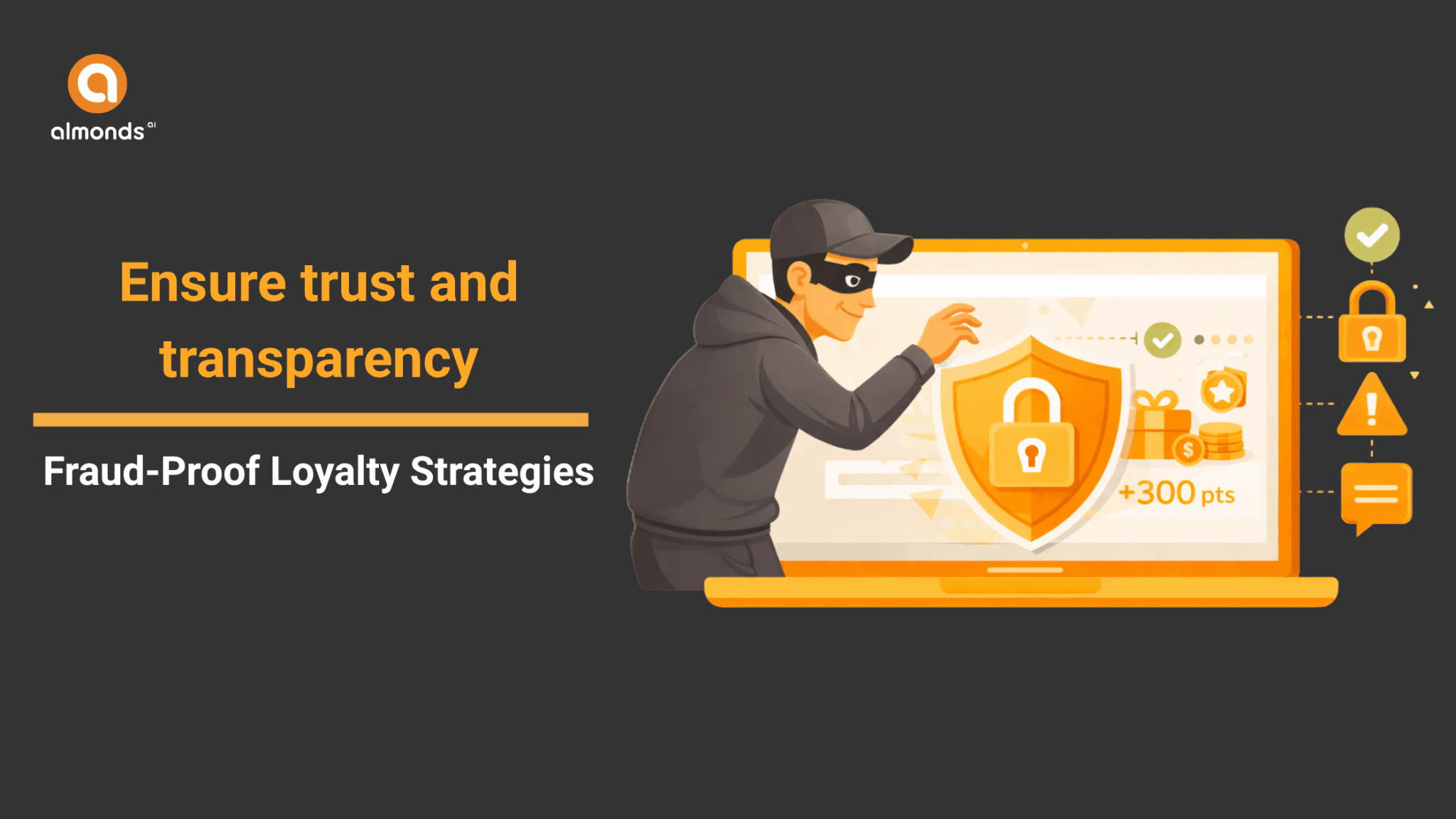
But as these programs grow, so does that undesirable aspect, which is fraud. It is also important to prevent fraudulent activity so as to protect not only your brand but your money as well.
This blog will discuss the best practices that can be used to prevent fraud in B2B rewards programs so that your partners receive their due and your risks are kept to a minimum.
1. Implement Strong Identity Verification
The first line of defense in deterring fraud in B2B rewards programs is a solid identity verification mechanism. Multi-level authentication allows only authentic partners to come into the picture. Some of the ways to do that are through checking email addresses of companies, business registration numbers, and mobile OTPs.
Partner identification at various steps can help businesses reduce fraudulent account creation, program integrity, and reward distribution to legitimate channel partners, preserving revenue and trust.
2. Monitor Transactions and Watch for Red Flags
Tracking of transactions is necessary to identify suspicious activity. Automated systems may indicate suspicious behavior like unusual surges in orders, multiple accounts redeemed, or more frequent redeeming by partners than usual.
Through AI and analytics, brands can discover anomalies in time, proactively examine the possibility of fraud, and respond accordingly before any serious financial or reputational harm is caused.
3. Use Tiered Rewards and Caps
B2B loyalty programs can be abused through tiered reward systems and redemption caps. Businesses can limit unlimited points or benefits by capping them on monthly or quarterly sales, performance of partners, or category of product.
This keeps rewards in line with real contributions, rewards genuine participation, and discourages fraudulent activities. A pyramid system also encourages partners to perform well without favoring and defrauding other actors in the channel.
4. Leverage Technology Solutions
Fraud prevention requires advanced technology in the current B2B rewards program. AI-based analytics will be able to identify abnormal behavior, blockchain will provide a transparent tracking of rewards, and automated audits will compare claimed and actual sales.
Software such as Almond Ai combines these attributes to operate loyalty programs without compromising security. With the help of technology, companies will be able to eliminate manual flaws, decrease fraud risk, and keep the records of all partner activity accurate, guaranteeing the confidence and equity in program management.
5. Educate and Engage Your Partners
Preventing fraud is also a matter of communication and contact. Spouses should be well aware of the loyalty program regulations, the elements of the fraudulent activity, and the repercussions of any breaches. Ethical practices can be reinforced through regular newsletters, training, and reminders.
Partner education also promotes transparency, enhances trust, and instills a culture of integrity. The program is more effective and sustainable because engaged and knowledgeable partners are less likely to commit fraud.
6. Conduct Regular Audits
Audits should be conducted on a regular basis to ensure that the security and integrity of B2B rewards programs are maintained. The audits can include comparing the rewards and sales made with the practices, flagging patterns of transactions, and finding out any loopholes in the program rules.
Through regular audits, businesses can unearth fraud with time, rectify anomalies, and streamline program policies. Fair reward distribution, misuse prevention, and the trust of partners are assured with constant auditing, which secures both financial and reputational interests.
7. Prepare a Fraud Response Plan
Fraud attempts may still arise with preventive measures in place, and it is critical to have a response plan in place. This plan must include immediate investigation procedures, a communication plan with partners, and corrective actions such as account suspension or reward recovery.
An organized method enables business enterprises to react swiftly, reduce losses, and sustain program credibility. Clear guidelines make certain that internal departments and channel partners are aware of procedures and have less uncertainty, and the overall security of the B2B rewards programs is improved.
Conclusion
B2B rewards programs are susceptible to fraud, although the combination of technology, monitoring, and engagement with partners can help overcome these risks. Identity checks and transaction tracking, tiered benefits, and education of partners are just a few of the ways businesses can develop a secure loyalty environment that values authentic interaction and reinforces ties within the channel.
A strong fraud prevention plan not only safeguards your ROI but also fosters confidence in your distributors/retailers, leading to long-term loyalty and growth. Bring your B2B rewards programs to the next level with Almond AI, the ultimate platform of secure, data-driven, and engaging channel partner loyalty programs.
FAQs
What are the ways to avoid B2B rewards program fraud?
Strong identity verification, red flag transactions, tiered rewards and caps, AI-driven technology solutions, and teaching partners on program rules can reduce fraud. Prevention also gets enhanced by regular audits as well as having a clear plan in response to fraud.
What technology assists in the securing of B2B loyalty programs?
Intelligence AI integrated B2B loyalty platforms, like those developed by Almond Ai, tracks suspicious activity, audits transactions, and uses AI-driven analytics and blockchain monitoring to prevent abuse. Such technologies will bring transparency, minimize manual errors, and reward will be fair and allocated to true partners.
What should be the frequency of my loyalty program audit?
Audits are advised quarterly or semi annually based on the size of the program. The audits compare reported rewards to actual sales, examine flagged activities, and detect loopholes, enabling fraud risk to be identified and addressed early.