
A channel loyalty program is more than a way to reward distributors, dealers, retailers, and other sales partners. It can be an effective strategic tool for driving sales, bolstering partnerships, fostering loyalty, and enhancing channel performance. But, with these programs, is it really providing ROI for brands, and if not, how can they do it?
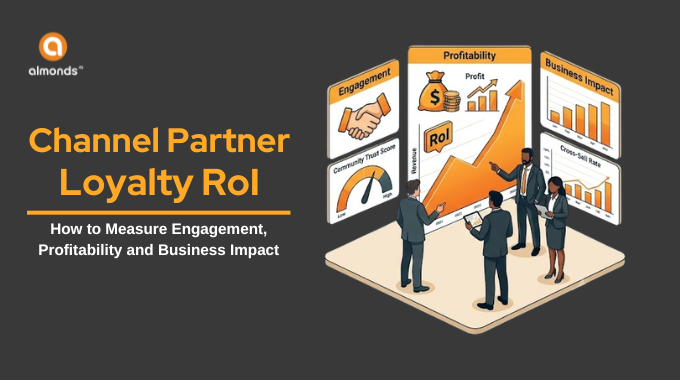
When it comes to measuring channel loyalty ROI, it’s important to focus on more than just rewards redeemed or points collected. Businesses should assess if their loyal programs are creating new revenue, higher partner engagement, increased product sales, and lower costs of partner retention and motivation.
With the right measurement framework, brands can identify successful initiatives, optimize reward structures, and make informed decisions about future investments.
What Is Channel Loyalty Program ROI?
Channel loyalty program ROI measures the financial returns a business generates from its investment in a loyalty program designed for channel partners. These partners may include distributors, dealers, retailers, wholesalers, resellers, and other intermediaries who contribute to product distribution and sales.
Channel Loyalty ROI = (Incremental Profit − Program Costs) ÷ Program Costs × 100
For example, if a brand generates ₹15 lakh in incremental profit through its loyalty program and spends ₹5 lakh operating it, the ROI is 200%.
This means the program generated ₹2 in net incremental profit for every ₹1 invested, excluding the original investment from the return figure.
However, the calculation is only meaningful when the incremental profit can reasonably be attributed to the loyalty program rather than market growth, seasonal demand, or other sales initiatives.
Why Measuring Channel Loyalty ROI Matters?
If there are no performance metrics, the brand is likely to keep investing in rewards that benefit the partner but aren’t clearly tied to business results. Measuring ROI helps organizations:
1.Understand Profitability
Calculate how much additional profit you are making from your channel loyalty program and how much this is worth in relation to your total program investment. Analyze revenue growth, reward expenses, operational costs, and profit margins to gain insights into finances and areas where improvements can be made.
2.Improve Partner Engagement
Understand how to incentivize channel partners to be involved on a regular basis with rewards and campaigns. Track partner engagement and duplicate activities to assess partner preference, and design more engaging loyalty experiences to drive reconnection.
3. Increase Sales Performance
Monitor both the number of times customers have ordered and the average dollar value of their orders, as well as other product information and sales volume. These findings equip brands with insights into the effect of loyalty programs on purchasing patterns, drive sales of selection items, and support tangible business development.
4.Optimize Reward Spending
Invest loyalty dollars in programs and promotions that have tangible results for the company. Review the costs of rewards, the rates of redemption, and incremental profits to understand suitable rewards, remove superfluous expenses, and optimize the value of every investment.
5.Strengthen Partner Relationships
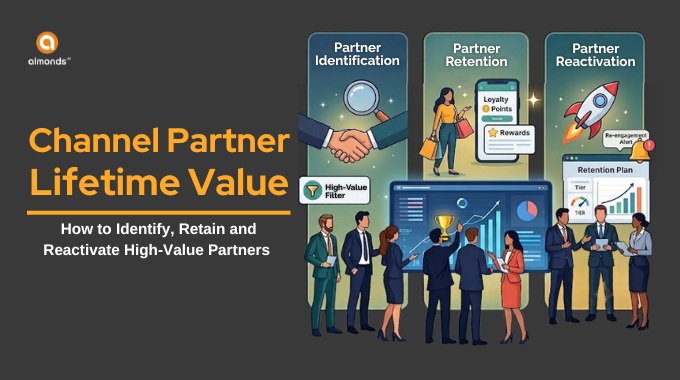
Identify successful channel partners and determine who requires more guidance or motivation. By understanding partner activity, purchase behavior, and retention, brands can tailor engagement strategies to meet expectations, foster customer satisfaction, and develop more long-lasting and successful business partnerships.
6.Support Better Decisions
Analyze reliable performance stats to optimize loyalty programs, set targets, and enhance reward policies. Brands that monitor specific metrics regularly can catch trends early, meet their partners’ demands, and make choices that fit them for sustainability and profit.
How Technology Improves Channel Loyalty ROI Measurement?
With a large partner network, ROI calculations can be difficult with the use of spreadsheets or disparate systems. Delays can creep into the data, and reward balances can be uneven, while salespeople may not realize what is and isn’t worth doing.
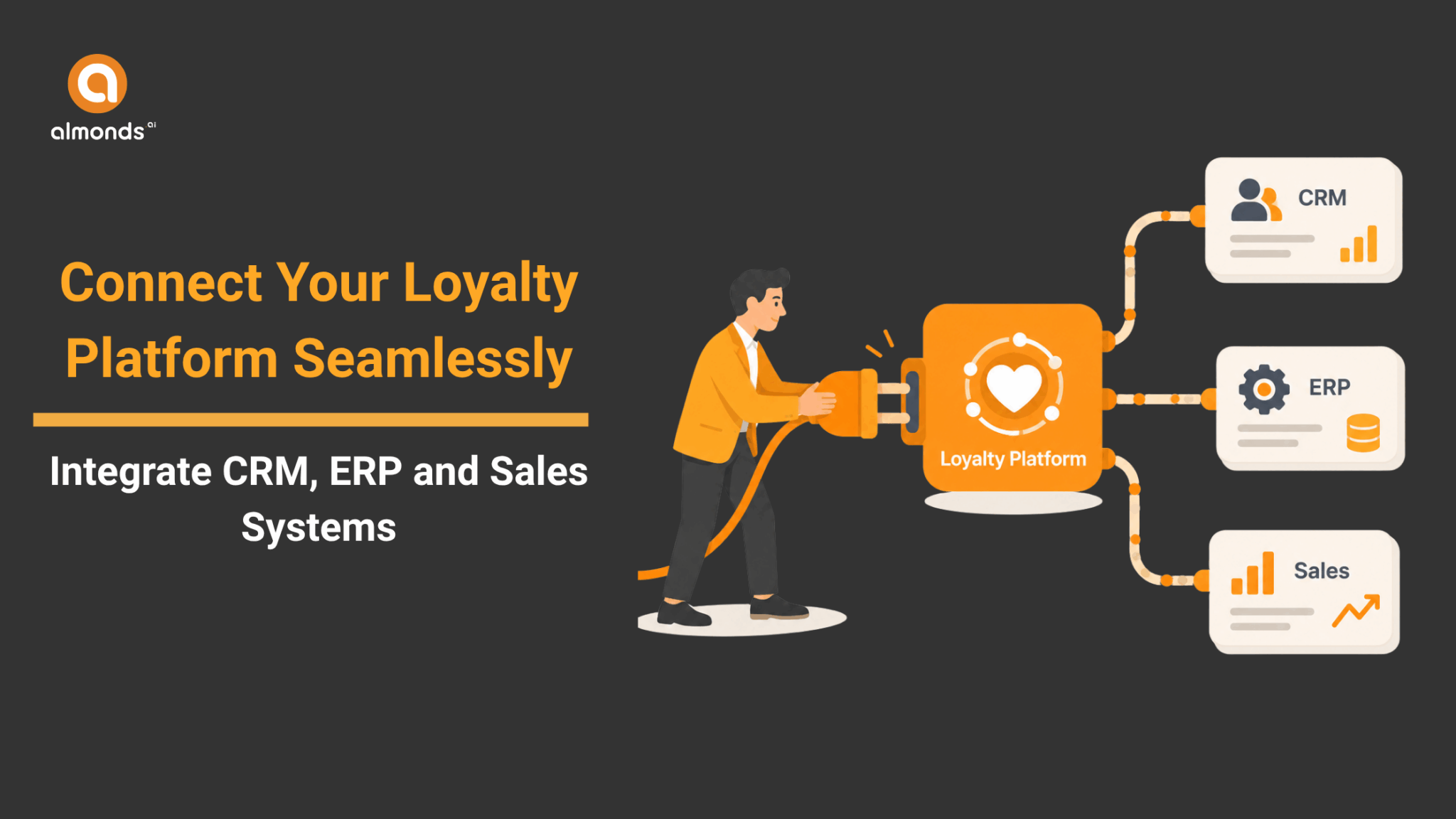
A modern channel loyalty system should collate all partner data, monitor qualified deals, automate the reward calculation, and deliver performance visualizations. CRM, ERP, and sales systems integration can also facilitate the linkage of loyalty activity with orders, revenue, and partner performance.
Companies can leverage AI-powered platforms like Almonds AI to delve into tech-driven strategies for channel partner engagement and retention. Better data and reporting enable companies to shift from measuring points and rewards to assessing business results of loyalty investments.
Common Mistakes to Avoid When Measuring ROI
Brands should not measure performance solely in terms of registrations and downloads, points issued, and total sales growth. These figures provide useful context but do not establish profitability.
Common errors are neglecting the cost of operations, ignoring partner differences, reporting on inconsistent periods, and not factoring in sales that would have taken place incentivelessly.
Another important mistake is focusing exclusively on short-term revenue. The advantages will extend over a longer time horizon through partner education, product knowledge, and better partnerships. A balanced measurement framework should therefore combine financial results, engagement indicators, partner behavior, and longer-term business outcomes.
Conclusion
First, channel loyalty ROI is measured when there is a clear link between ROI and partner incentives and business performance. Brands need to evaluate incremental revenue, profit margins, partner engagement, retention, and reward efficiency rather than relying on surface-level activity metrics.
With clear objectives, consistent data recording, and regular performance evaluation, companies can clearly see what is actually delivering value and what they need to improve on.
The right technology can make this process more transparent and scalable, enabling brands to optimize their channels while ensuring their loyalty investment remains commercially viable.
Find out how a technology-activated channel loyalty strategy will enable partner engagement, tracking of results, and measurable business growth at Almonds AI.
FAQs
1.How can Almonds AI help businesses improve channel loyalty ROI?
Incorporating the power of technology, Almonds AI empowers businesses to engage channel partners, simplify reward management, monitor participation, and streamline data-driven decision-making for program success.
2.Which metrics should brands track to measure channel loyalty ROI?
Brands should monitor incremental profit, partner engagement, repeat purchases, reward redemption, partner retention, and program costs to understand financial returns and evaluate loyalty program effectiveness.
3.How can a channel loyalty platform improve distributor and dealer engagement?
Rewards, campaigns, point tracking, and tailored offers can keep distributors and dealers engaged using a channel loyalty platform and generate value for the business.
4.Can channel loyalty software help brands track partner performance?
Yes. Channel loyalty software helps businesses focus on partner activity, transaction details, reward programs, and engagement scores, enabling them to track performance and identify effective partners for future growth and channel performance.
5.How can businesses choose the right channel loyalty platform?
Consider partner experience, scalability, automation, reporting dashboards, reward flexibility, and integration capabilities. The right platform includes one that matches company goals and contributes at a tangible level to increased engagement and profitability.