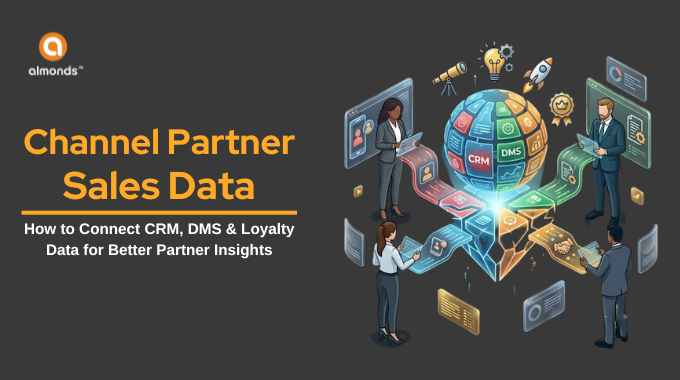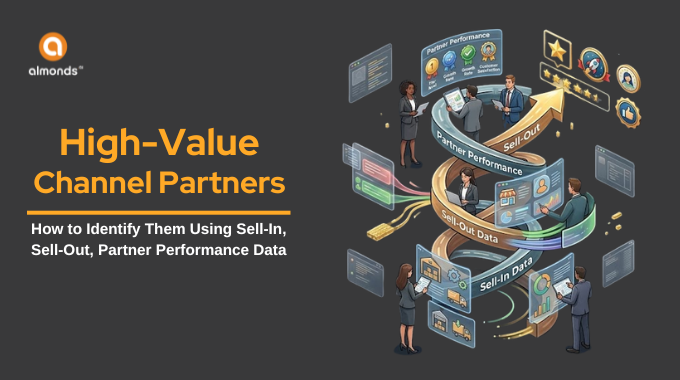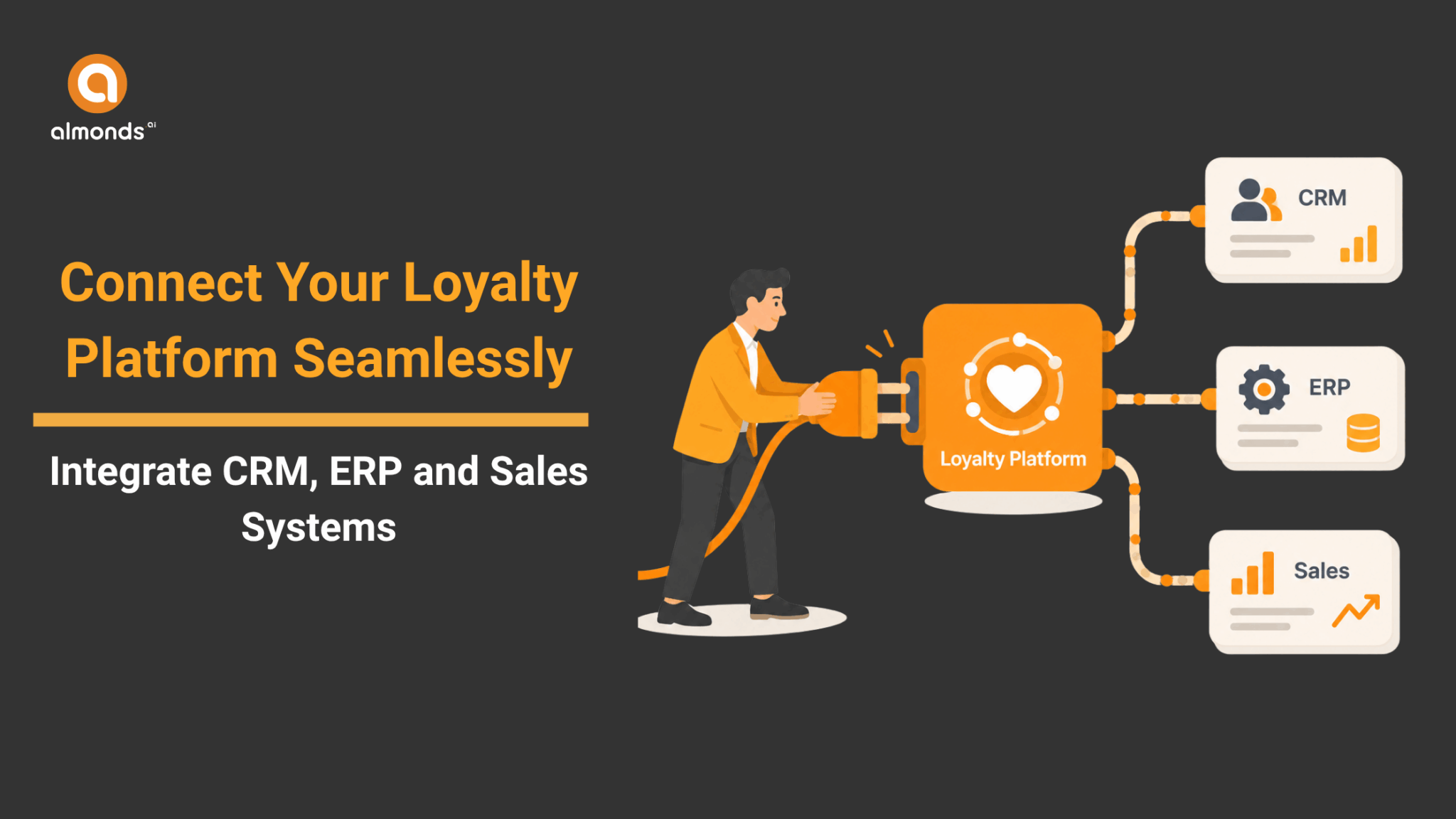

Companies interact with customers, sales, inventory, payments, and partners on various systems. A channel loyalty platform can tie in these activities to reward the distributors, dealers, retailers, or other channel partners to do the recommended actions.
But building loyalty programs efficiently requires them to be connected to current CRM and ERP and sales platforms.
The integration of a loyalty platform fosters a seamless ecosystem where customer and partner information is shared between systems reliably and securely. This eliminates manual effort, enhances visibility, and enables targeted rewards for businesses.
What is Channel Loyalty Platform Integration?
The integration of a channel loyalty system with business systems, including CRM, ERP, POS, sales automation, and partner management platforms.
In place of having two different. Database systems and integration enable information to move seamlessly between systems. For instance, once a channel partner makes a qualifying sale, the sales system can notify the loyalty platform of the transaction details. The loyalty platform can then generate points or rewards according to predetermined rules.
It establishes a more automated loyalty ecosystem that completely satisfies businesses with their technology infrastructure.
Why Integrate Loyalty With CRM, ERP, and Sales Systems?
While it is possible to have rewards managed on a loyalty platform alone, that would make the platform less connected to the business as a daily occurrence.
1. Centralized Data
Businesses can tag partner profiles, customer details, engagement interactions, and loyalty activity through CRM integration. More complete information is available on Teams without switching between multiple systems.
2. Automated Transactions
Sales integration may automatically move qualifying deals to the loyalty platform, thanks to ERP integration. This decreases the manual data entry and minimizes errors.
3. Real-Time Visibility
Advantage information on sales, points, rewards, partner activity, and/or performance can be provided through connected systems. This information will help managers to track the program better.
4. Personalized Engagement
Businesses can gain insight into partner behavior and engagement by utilizing CRM data. This information can inform more meaningful campaigns, communication & incentives.
5. Better Operational Efficiency
The use of a data exchange automation system cuts repetitive administrative tasks. Teams can devote more resources to dealing with relationships and optimizing channel proceedings.
How to Integrate a Loyalty Platform With Your Existing Business Systems?
Step 1: Identify the Systems You Need to Connect
First note all the business systems you currently have. They can range from CRM and ERP to sales software and POS systems, from e-commerce systems to payment systems and analytics tools. Then, determine the information you want to transfer from these systems to your loyalty platform. This can be information about partners, customers, sales, orders, products, returns, loyalty points and rewards, and performance. This will aid in developing an integration plan.
Step 2: Establish Your Data Flow
Before installing any loyalty platform, determine the transfer of information between the platforms and systems. A sales system may, for instance, send transaction information to the loyalty system. The platform verifies the transaction and applies loyalty conditions and updates the loyalty account of the partner. The information will then be transferred to the new one (CRM). With a good data flow, no information is duplicated, fewer mistakes are made, and the integration is easier to handle.
Step 3: Choose the Right Integration Method
Select an integration method according to your systems, amount of data, business requirements, and security concerns. APIs are particularly useful for sending up-to-the-minute updates across various systems, enabling them to communicate with each other effortlessly. Webhooks may trigger notifications during a key number of events. Middleware can provide a single layer that will couple together multiple systems. If businesses don’t require real-time updates, they may also utilize scheduled or batch data transfers.
Step 4: Connect Your CRM
When you integrate your CRM with the loyalty app, you can ensure that the loyalty data and the customer/partner data will stay current over the two platforms. It could link information like partner ID, contact, partner type, territory, loyalty status, points balance, and rewards history according to your program. This allows a more informed insight into partner activity for sales teams. They can engage better, and more importantly, they can apply this information in creating more meaningful and relatable engagement.
Step 5: Integrate the ERP
Information is vital in your business, including orders, invoices, products, payments, and returns, which are all stored in your ERP system. If this is integrated with your reward or loyalty program, qualified transactions could automatically convert into points or rewards. As an example, when the invoice is generated and confirmed, points can be assigned following the appropriate rule determined by the loyalty system. Establish rules and regulations BEFORE it goes live for the handling of cancelled orders, returned merchandise, duplicate transactions, etc.
Step 6: Connect Sales Systems
Sales systems are essential for the information to provide the details of the transactions and the channel performance. They can be integrated with a loyalty program to enable businesses to automatically award loyalty points to their partners for specific actions. These activities can involve repeat sales, product sales, new acquisitions, attaining sales targets, complying with training, participating in campaigns, and/or making repeat purchases. Specify criteria for the events where a reward is to be earned and how it should be documented. Incentive management is faster, easier, and more transparent due to automation.
Step 7: Establish Data Validation and Security
Precise data is essential to any loyalty initiative that is going to achieve success. Implement ground rules to review information before it goes into the loyalty platform. These can be used to uncover missing information, duplicate records, incorrect partner IDs, or bogged-down transactions. Security is equally critical with each transfer of data. Install proper authentication, access, encryption, and monitoring. NO transfer of information if not needed. These measures serve to ensure the safeguarding of information of the business, its customers, and its partners.
Step 8: Test Before Going Live
Test the integration always before it’s made available to users. Examine typical communications and conversations when miscommunication occurs. Test for success, duplicate transactions, cancelled orders, product returns, incorrect partner ID, failed API requests, timeouts, etc., and transactions are returned, along with redemption of rewards. Testing allows for early detection of either technical or data issues. It also guarantees the properly functioning calculation of points and rewards beforehand so that they are calculated correctly when the system launches.
Step 9: Monitor and Optimize
Integrating requires continued monitoring after launch. Monitor the performance of the system, transfers, failed transactions, API activity, and loyalty calculations. Routine monitoring can help businesses diagnose and rectify issues swiftly. Partner engagement data can also reveal which rewards, campaigns, and incentives are delivering improved partner engagement. Keep the integration up to date as your business expands or your needs evolve for an efficient and useful loyalty program.
Conclusion
When integrated with CRM, ERP, and sales platforms, a channel loyalty program can turn a rewards initiative into a unified business ecosystem. By integrating the data and transactions required through a well-planned loyalty platform, businesses can enhance visibility, automate transactions, create more consistent actions with channel partners, and much more.
The main ones are starting at business requirements, drawing data flows, picking integration approaches, setting up validation and security measures, and ongoing monitoring of performance.
Want to create a connected channel loyalty ecosystem? Check out Almonds AI for loyalty technology solutions.
FAQs
Why connect a loyalty platform with CRM?
CRM integration combines customer or partner relationship data with loyalty activity. This enables businesses to gauge engagement, tailor communication, and keep track of user activity while even enhancing the sales team’s account visibility.
How does ERP integration improve loyalty programs?
LoY automated data seamlessly connects relevant sales, invoices, product data, returns, and order data from ERP, enabling accurate reward calculation and minimizing manual data entry and administrative mistakes.
Can loyalty platforms integrate with multiple sales systems?
Yes, loyalty platforms can be integrated with several sales applications through APIs, middleware, webhooks, or scheduled transfers of data. The right one would take into consideration the compatibility of the system, volume of transactions, security, and workflows.
What should businesses consider before integration?
Before integrating a loyalty platform with multiple systems, businesses need to assess the data needs, system compatibility, APIs, security, scalability, exception handling, testing, monitoring, and reporting needs.