It’s not just about collecting points and rewarding discounts to show loyalty anymore. As the business landscape becomes more competitive in India, brands must be put in the right mold of drawing consumers, promoting repeat sales, and establishing enduring connections with distributors, dealers, retailers, and other channel partners.
That is where loyalty programs in India are playing an integral part in the growth of the business. From cashback offers and digital reward points to personalized incentives and gamified experiences, businesses are using technology to make customer engagement more meaningful.
As consumers become more digitally connected and distribution networks expand, traditional loyalty schemes are giving way to smarter, data-driven reward ecosystems. It’s no longer about rewarding transactions; it’s about building experiences to drive repeat engagement and tangible business outcomes.
How Digital Rewards Are Transforming Loyalty Programs?
Digital transformation has revolutionized the way companies interact with customers and channel partners. Companies can now execute loyalty programs via digital channels instead of picking up a bunch of actual coupons or vouchers to print or manually distribute. Here are some common ways digital rewards are given:
- Reward Points: Customer or partner accumulation of points due to purchases, referrals, or other predetermined activities. These points can later be exchanged for rewards.
- Cashback and Instant Rewards: Companies provide cashback or instant rewards to influence buying habits and repeat sales.
- Multi-brand vouchers: Flexibility for the participants to select what they want to redeem for their digital gift vouchers.
- Gamified Experiences: Leaderboards, challenges, achievement badges, and milestone-based rewards increase engagement.
- Personalized Offers: Information can guide businesses to offer meaningful incentives depending on customer preferences, purchase histories, and engagement patterns.
The digital methods improve the manageability, trackability, and optimizability of loyalty programs, as well as making it easier for participants.
The Role of Loyalty Programs in Customer Retention
Customer retention is not just about offers every now and again. Brands should provide secure and constant motivations to come back to the retailers.
When designed well, a loyalty program is a formal relationship between a business and its customers, based on their ongoing interaction.
For example, a retail brand can reward customers for repeat purchases, referrals, or reaching specific spending milestones. In the same way, membership tiers in an eCommerce business can add unique advantages, early access, or added benefits.
The use of personalization is also significant. Businesses can be successful in offering benefits that feel relevant to the customer, as opposed to sending a generic promotion to all.
Key Features to Look for in a Digital Loyalty Platform
The selection of the right technology is critical to building a scalable loyalty ecosystem. Relying on reward catalogues is not enough; businesses need to assess the platform’s ability to offer engagement and program management. Important features include:
1.Mobile-First Accessibility: Participants should be able to access points, track progress, and redeem rewards conveniently.
2.Real-Time Tracking: Companies require real-time tracking of transactions, reward balances, participation, and program performance.
3.Personalization: This should include allowing targeted campaigns and relevant incentives for various participant groups.
4.Multiple Reward Options: A flexible reward catalogue enhances the entire redemption journey.
5.Analytics and Reporting: Performance dashboards provide insights into engagement levels, gaps, and program effectiveness.
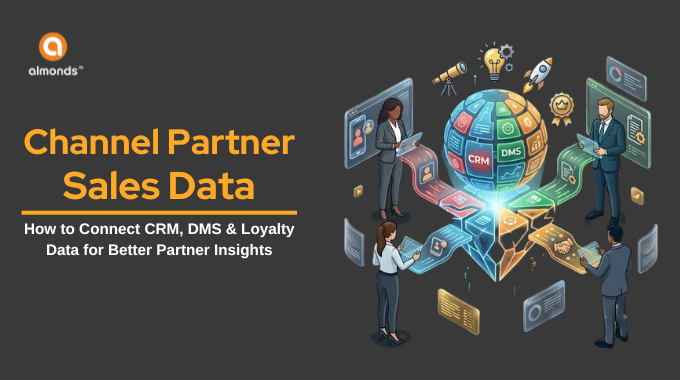
6.Integration Features: Integrating loyalty programs with CRM, ERP, and current business systems can enhance data reliability and efficiency.
Why Channel Loyalty Matters for Business Growth
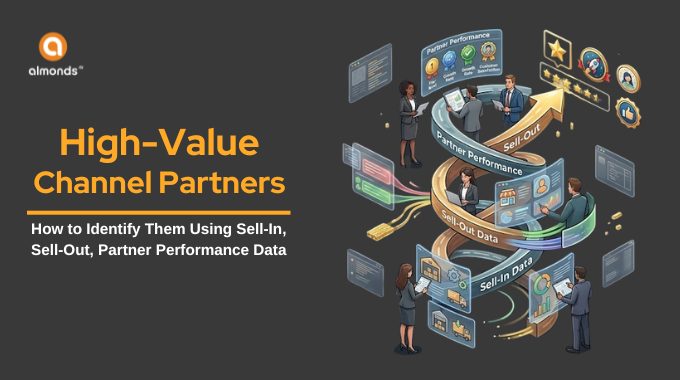
Customer-facing loyalty is only one part of the equation. In industries that depend on distribution networks, dealers, distributors, retailers, mechanics, electricians, and other influencers play a significant role in driving sales.
Channel loyalty programs help brands recognize and reward these partners for their contribution to business growth. An effective channel loyalty strategy can include:
- Sales-Based Incentives: Reward partners for achieving sales targets and business milestones.
- Engagement Rewards: Recognize participation in brand activities, campaigns, and product launches.
- Training Incentives: Encourage product knowledge, skill development, and digital adoption.
- Performance Recognition: Use leaderboards and achievement-based rewards to motivate partners.
- Personalized Communication: Share relevant updates, offers, and reward notifications.
Emerging Trends Shaping Loyalty Programs in India
The future of loyalty is becoming increasingly digital, personalised, and performance-driven. Some important trends include:
- AI-Powered Personalization: Using customer and partner data to create relevant reward experiences.
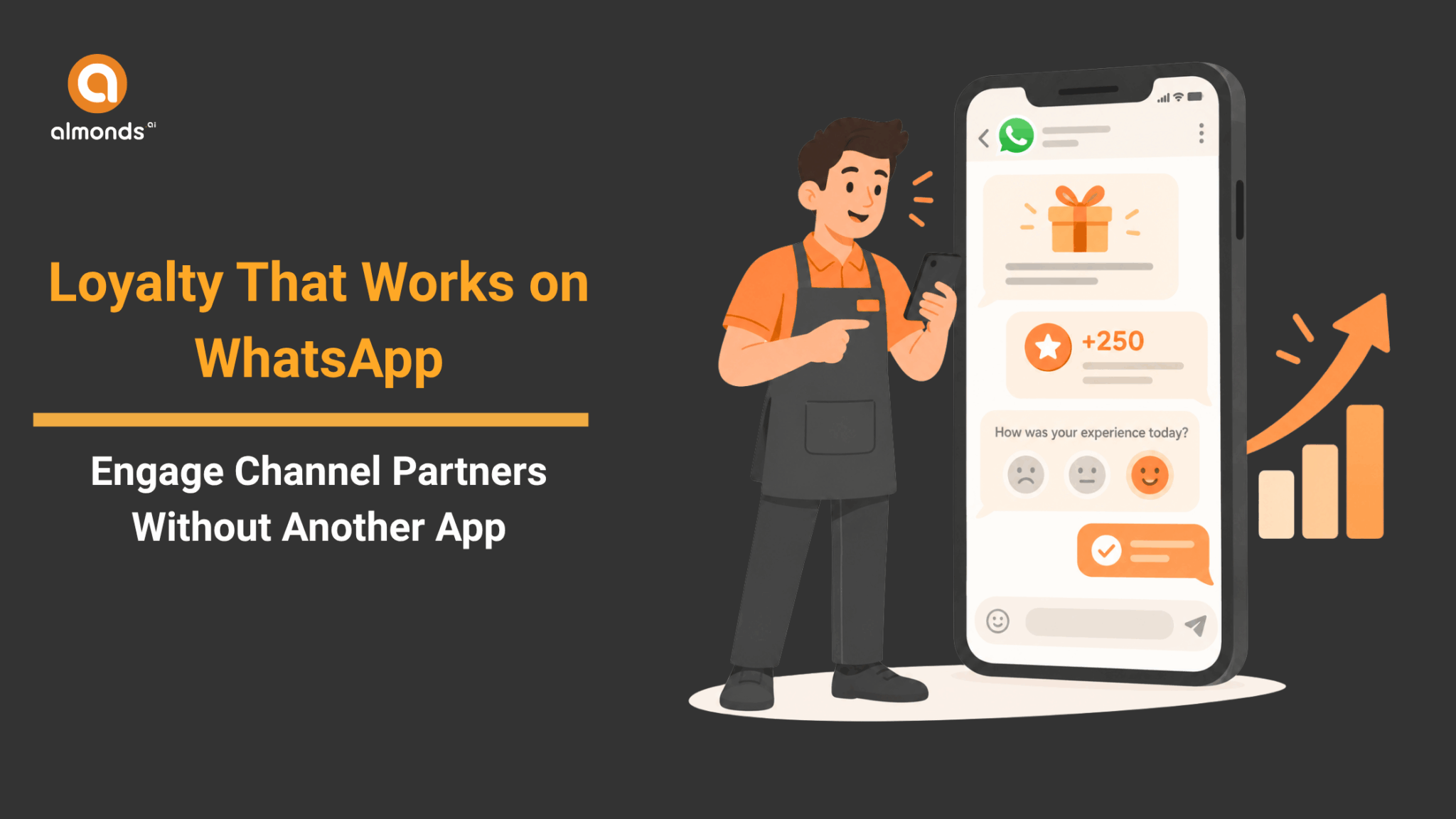
- WhatsApp-Based Engagement: Making reward updates, communication, and redemption more accessible.
- UPI-Enabled Rewards: Exploring convenient digital reward and payment experiences.
- Sustainable Rewards: Introducing eco-friendly products and purpose-driven incentives.
- Gamification: Encouraging participation through challenges, milestones, and interactive activities.
- Data-Driven Decisions: Measuring engagement, redemption, retention, and business outcomes.
Building a Successful Loyalty Strategy with Almonds AI
In order to be a successful loyalty program, it must have a combination of technology, rewards, engagement, and performance measurement.
Almonds AI provides businesses with loyalty and engagement technology to build their customers and channel bonds. Its Channelverse™ ecosystem enables B2B loyalty, channel partner engagement, and sales team motivation.
Be it by establishing loyalty programs or crafting tailored engagement experiences, businesses can now design robust loyalty initiatives that encourage increased participation and drive measurable growth.
Looking to change the way your business interacts and incentivizes customers and channel partners? Explore smarter loyalty and engagement solutions with Almonds AI.
FAQs
1.What is the difference between customer loyalty and channel loyalty programs?
Customer loyalty involves attracting repeat customers; channel loyalty recognizes a sales partner, engagement, and performance by dealers, distributors, retailers, and other partners.
2.How can businesses measure the success of a loyalty program?
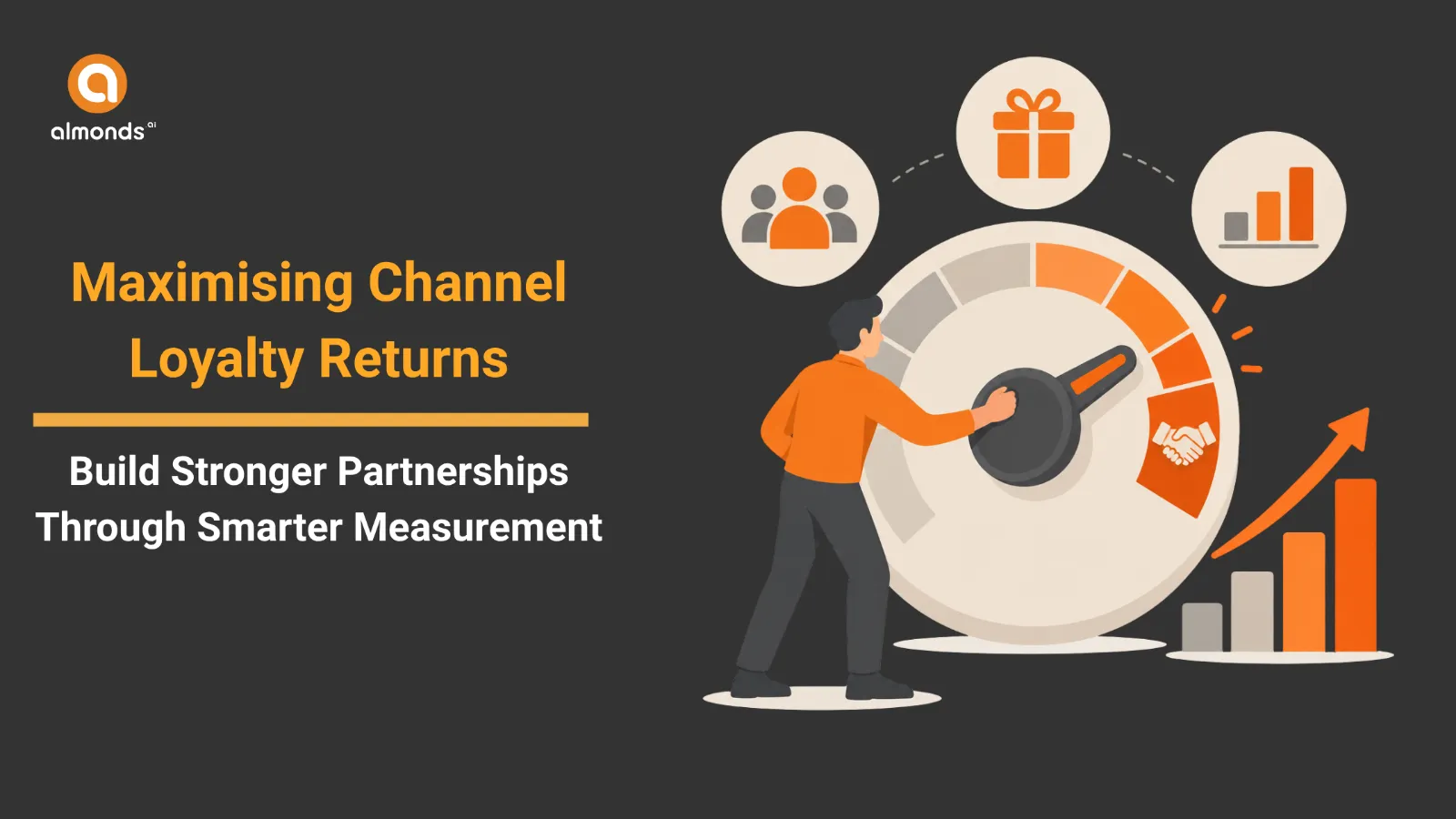
Repeat purchase, redemption rate, active participation, customer retention, partner engagement, sales growth, and program ROI are ways for businesses to measure success.
3.What features should businesses look for in a digital loyalty platform?
Seek out analytics dashboards, personalized incentives, gamification, CRM and ERP integration, flexible reward catalogs, real-time tracking, and automated campaigns.
4.How does AI improve loyalty program management?
AI helps analyze participant behavior, identify engagement patterns, personalize reward recommendations, segment audiences, and optimize campaigns using data-driven insights.
5.Why are loyalty programs important for dealers and distributors?
They motivate channel partners, reward sales efforts, urge them to promote products, enhance brand interaction, and create long-lasting distribution partnerships.