Manufacturers’ business expansion relies on more than the production of high-quality goods. It also depends on how effectively they engage distributors, dealers, and channel partners who bring those products to market.
However, this is getting harder and harder to retain the loyalty of dealers. Dealers may deal with a number of manufacturers, compare incentives, and will focus on manufacturers that provide a good commercial gain, support, and business relationships.
Discounts, seasonal offers, and challenge competitions can attract audiences in the short term but are not always effective in building engagement. This is where a loyalty program is a smart investment for a business.
Using a combination of performance-based incentives, customized incentives, digital engagement, and insight from data can help manufacturers influence repetition of visits, boost dealer turnover, and create a more robust distribution capability.
The Growing Importance of Dealer Loyalty in India’s B2B Market
The channel distribution system in India is undergoing rapid change. Dealers are becoming a resource that manufacturers must rely on to continually communicate, not just promote.
Almond AI’s Channel Loyalty Report 2025 indicates that the B2B channel partner loyalty market in India is worth about ₹25,400 crore and growing at a compound annual growth rate (CAGR) of around 14%.
The report also identifies three key trends:
- 94% of channel partners favor mobile reward redemption platforms.
- 72% of channel partners feel that gamification will be a defining element of loyalty programs.
- 64% of respondents identify eco-friendly rewards as an important future direction.
The results reveal an important trend and dealers are demanding easy, personalised, and entertaining reward experiences.
6 Ways Manufacturers Can Increase Repeat Orders and Dealer Engagement
1.Introduce Tier-Based Dealer Rewards
Not every dealer has the same sales capacity or business potential. Tier-based loyalty schemes can be implemented by manufacturers involving membership levels such as Silver, Gold, or Platinum. Depending on the volume sold and the sales targets, the different levels can bring various advantages for a company.
For instance, for each basic point earned, Silver members earn bonus points; Gold members earn bonus points as well as other special privileges; and Platinum dealers earn exceptional points and privileges. This encourages the dealers to aim for more to reach the brand objectives and work towards establishing better relations with the brand.
2.Reward Repeat Purchases, Not Just High Sales Volumes
Smaller partners may not feel compelled to join in if only the high-volume dealers are looked at. Instead, manufacturers should reward consistent purchasing behavior, order frequency, and improvements in individual performance.
For instance, if the dealers order monthly, a monthly order can earn the bonus points after monthly purchases for three consecutive months. It fosters regular and steady ordering cycles, provides a consistency in buying, and helps manufacturers create a predictable ordering pattern up and down their floors of distribution.
3.Use Personalized Incentives to Improve Participation
Each dealer takes a different approach to ordering, and their business needs, goals, and market differ. Dealers can be segmented by purchase, location, product preferences, performance, and engagement. By using this, companies can customize campaigns and provide different rewards for them instead of offering the same to all.
High performing partners, for example, might be entitled to exclusive offers, and inactive dealers could be offered special reactivation offers. Rewards are more relevant and occupy more people when they are personalized incentives.
4.Introduce Gamification and Achievement-Based Campaigns
Gamification makes dealer loyalty programs more interactive through challenges, leaderboards, milestones, and achievement badges. Monthly sales challenges or product promotion challenges of 30 days can be set up for manufacturers to provide additional points for meeting certain goals by dealers.
Other activities can be referral programs, challenges of product launches, and regional performance events. These efforts bring in some healthy competition and drama and entice dealers out of the fold throughout the year, just not during promotional weeks.
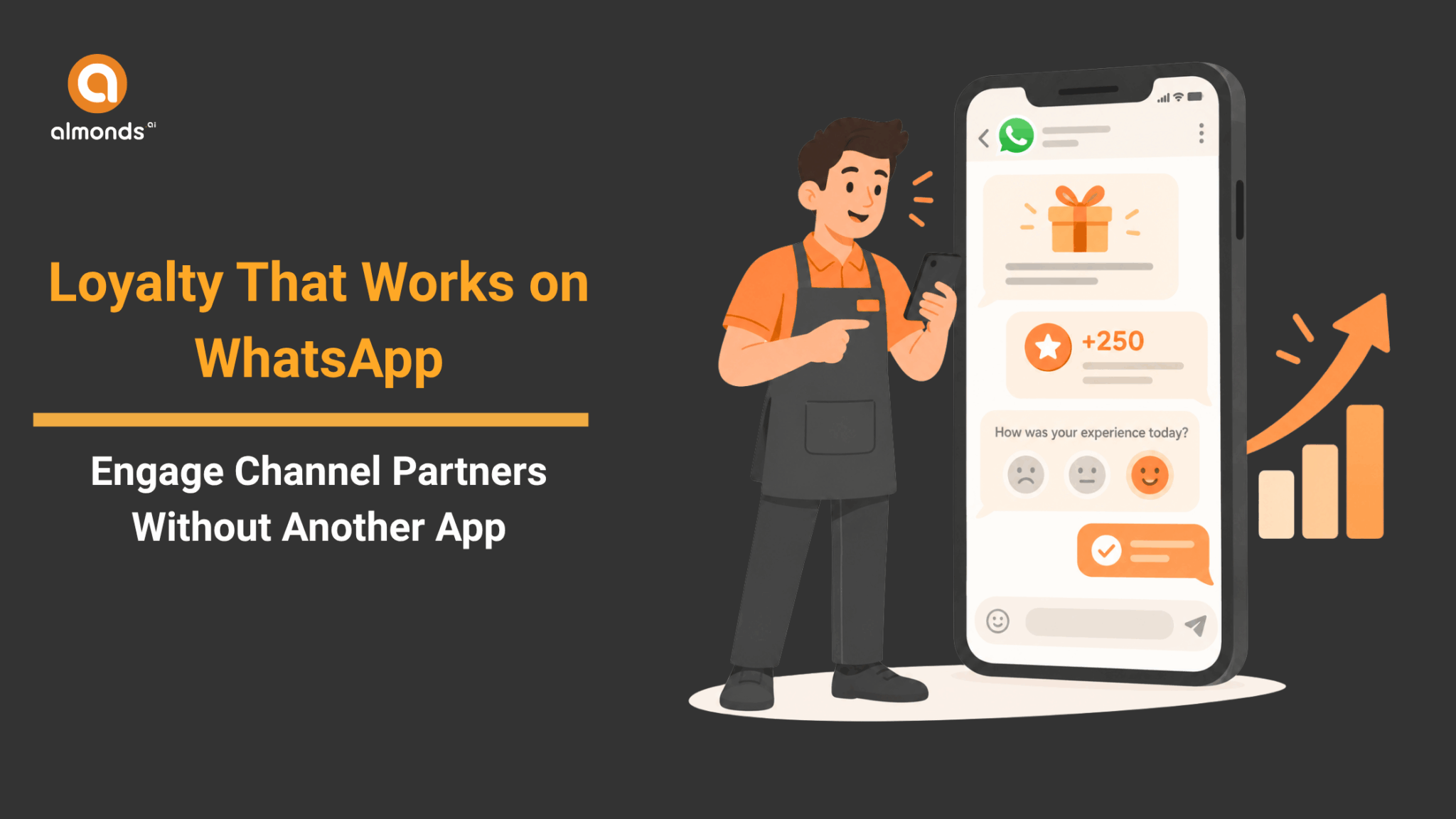
5.Create Reward Redemption Mobile-Friendly
If there’s a complex process for earning rewards, they may not bother offering them at all. Manufacturers must have a mobile-optimized digital platform that allows dealers to easily view their points, monitor their progress, review rewards, and redeem benefits.
Using automated notifications regarding new campaigns, reward progress, and exclusive offers can also boost engagement. It simplifies administration, enhances transparency, and allows for easy participation in the loyalty program from various locations.
6.Recognize Dealers Beyond Financial Rewards
It isn’t about the money, but it is about recognition, earning trust, and a sustained stream of interaction. Businesses can add exclusive dealer events, achievement certificates, anniversary rewards, exclusive memberships, and business development.
Consider creating leaderboards or appreciation initiatives for the top dealers to help foster a sense of pride in their performance. These incentive items provide a sense of community and make the dealership feel appreciated, not just another sales outlet.
How Digital Dealer Loyalty Platforms Drive Measurable Business Growth?
Managing a large dealer network through spreadsheets, manual reward calculations, and disconnected communication channels can create operational challenges.
All these activities are collected in a digital dealer loyalty platform that also supports manufacturers with their programs. Almond AI can help manufacturers create loyalty experiences with technology:
- Data Segmentation: Segment business partners based on their purchase process, sales metrics, engagement, etc.
- Automated Reward Management: Configure reward rules, automate point allocation, and manage redemption processes.
- Personalized Campaigns: Design your campaigns specifically for a particular group of dealers, product, or sales goal.
- Real-Time Engagement: Update dealers on reward balances, new campaigns, new challenges, and available rewards.
- Gamification: Encourages swarm by adding challenges, leaderboards, and achievement incentives.
- Performance Analytics: Monitor dealer activity, campaign participation, reward utilization, and sales performance.
- Customer Integration: Linked loyalty operations to current sales, CRM, and ERP systems for greater data visibility and productivity.
Conclusion
Dealer loyalty is no longer just about offering points or discounts. It’s all about establishing a thrilling business ecosystem in which each and every engagement delivers worth.
Tackling channel relationship issues and enhancing sales visibility will boost the relationships that manufacturers can develop by integrating personalized rewards, mobile access, gamification, and performance analytics.
Almond AI empowers businesses to boost dealer loyalty, automate reward experiences, and enhance channel partner engagement in smarter ways. Learn about Almond AI and how its technology-based loyalty programs can help manufacturers boost repeat sales, incentivize dealers, and foster durable sales results.
FAQs
1.What is a loyalty program for dealers?
A dealer loyalty program is a program that can make a dealer place repeat orders and accomplish sales goals or interact with manufacturers with points, benefits, and just extra rewards.
2.How do dealer loyalty programs increase repeat orders?
They incentivize repeat purchases via order-based rewards, bonus points, purchase milestone offers, and all the way to personalized offers that reward dealers who order more.
3.What rewards can manufacturers offer dealers?
Dealers can participate in a revenue share program for cashback, gift vouchers, products, travel, special discounts, bonus points, and premium membership rewards.
4.How can manufacturers improve dealer engagement?
Manufacturers can boost engagement with personalized campaigns, gamification, sales incentives, mobile reward systems, frequent messaging, and performance-driven recognition.
5.How does a digital dealer loyalty platform benefit manufacturers?
It’s a digital platform that automates reward management, monitors dealer performance, improves redemption processes, allows tailored campaigns, and analyzes buying trends and program performance.