Blogs - Almonds Ai - Page 8

Almonds Ai releases Channel Loyalty Report 2026 analyzing India’s evolving channel loyalty ecosystem. Click Here

Categories
Blogs

Why Small and Medium Businesses Should Prefer SaaS-Based Software for Loyalty Programs

Introduction: The Loyalty Imperative for SMBs

For small and medium-sized businesses (SMBs), customer loyalty is no longer optional — it’s survival. As customer acquisition costs skyrocket and competition intensifies, building long-term relationships with customers, distributors, retailers, and partners has become critical. A well-designed loyalty program helps SMBs retain their most valuable customers, reduce churn, and drive steady, predictable revenue.

However, many SMBs hesitate to launch loyalty programs due to perceived barriers:

  • High setup costs
  • Long development timelines
  • Complex IT requirements
  • Limited internal resources

That’s where SaaS-based software for loyalty programs becomes a game changer — offering SMBs a fast, flexible, and cost-effective solution to launch and manage sophisticated loyalty ecosystems.

What Is SaaS-Based Loyalty Software?

SaaS (Software as a Service) loyalty platforms are cloud-hosted solutions that offer businesses a ready-to-use loyalty management system. Instead of building custom software, SMBs simply subscribe to these platforms and get access to:

  • Reward management engines
  • Customer and partner onboarding flows
  • Campaign automation tools
  • Analytics and reporting dashboards
  • Integrations with existing business systems

SaaS models operate on subscription pricing, enabling SMBs to pay monthly or annually based on usage, features, and scale — eliminating massive upfront investments.

The Growing Demand for SaaS Loyalty Platforms Among SMBs

Market Snapshot:

  • Over 70% of SMBs now recognize loyalty programs as a strategic growth lever.
  • SaaS adoption among SMBs is growing at 18-20% annually, driven by cost savings and faster go-to-market capabilities.
  • In regions like the UAE and Dubai, SaaS loyalty platforms are powering both B2B loyalty platforms in Dubai and B2B rewards programs in UAE across industries like FMCG, automotive, retail, and electronics distribution.

Why SaaS Loyalty Platforms are Perfect for SMBs: 10 In-Depth Advantages


1️⃣ Affordability Without Compromise

SMBs typically cannot afford custom-built loyalty software that may cost $100,000–$500,000 to develop. SaaS loyalty platforms allow them to get started with professional-grade features at subscription fees as low as a few hundred dollars per month.

Example:
A Dubai-based electronics distributor launched a full-fledged B2B loyalty platform in Dubai targeting 2,000+ retailers at a 90% lower cost compared to custom development.

2️⃣ Rapid Deployment (Weeks, Not Months)

Time-to-market is everything. SaaS loyalty platforms can be deployed in 2–6 weeks vs. 6–12 months for custom-built solutions. SMBs can launch:

  • Seasonal loyalty offers
  • Flash sales
  • Limited-time reward campaigns
    without long IT backlogs.

Example:
A UAE home appliances brand launched a B2B rewards program in UAE before Ramadan to offer limited-time cashback and gift vouchers to its top-performing retailers — deployed in 30 days using SaaS.

3️⃣ Built-In Scalability

SaaS platforms are designed to scale effortlessly as your business grows.

  • Start with 100 members → scale to 10,000+
  • Add new reward categories
  • Expand to new geographies
  • Handle peak-season loads smoothly

Use Case:
An industrial supplies distributor started with 300 partners in Sharjah and scaled their loyalty program to cover 1,500 partners across Dubai, Oman, and Saudi Arabia — all on the same SaaS platform.

4️⃣ Minimal IT Overhead

Unlike custom software, SaaS providers manage:

  • Software updates
  • Bug fixes
  • Feature upgrades
  • Security & compliance

This eliminates the need for SMBs to maintain large IT teams or deal with infrastructure complexities.

SaaS lets SMBs focus on business growth, not backend headaches.

5️⃣ Enterprise-Grade Features for SMBs

Modern SaaS loyalty software includes powerful features:

  • Tier-based reward structures
  • Automated milestone bonuses
  • Referral & viral loop mechanics
  • Gamification (spin-the-wheel, challenges)
  • Personalized offers based on purchase data
  • Integration with WhatsApp, SMS, and CRM tools
  • QR-based activation & instant point allocation

Example:
A pharma company in Dubai launched a hybrid B2B loyalty platform in Dubai for doctors and pharmacists using QR-based scan-to-earn features built into SaaS, generating 3X higher partner engagement.

6️⃣ Omnichannel Loyalty Experience

Today’s customers expect loyalty programs to work everywhere:

  • In-store
  • Online
  • Mobile apps
  • Chatbots
  • WhatsApp or SMS

SaaS platforms offer omnichannel integration that helps SMBs unify loyalty across every customer and partner touchpoint.

Example:
A UAE beauty brand combined in-store salon rewards with mobile-app based ecommerce rewards, boosting both physical and digital sales via SaaS loyalty integrations.

7️⃣ Data-Driven Personalization

SaaS platforms don’t just track points — they collect rich behavioral data:

  • Purchase frequency
  • Basket value
  • Channel preferences
  • Redemption patterns
  • Lifetime value segmentation

This allows SMBs to personalize:

  • Offers
  • Product bundles
  • Incentives for upselling & cross-selling
  • Retargeting campaigns

Use Case:
An auto parts supplier used SaaS analytics to identify dormant garages, triggering reactivation campaigns with customized discount bundles — successfully reactivating 27% of inactive accounts.

8️⃣ B2B & Channel Loyalty Expertise

While many loyalty platforms focus only on B2C models, leading SaaS providers specialize in B2B loyalty platforms in Dubai and B2B rewards programs in UAE, covering:

  • Distributor incentive programs
  • Retailer engagement models
  • Sales rep commission structures
  • Influencer marketing rewards
  • Channel partner tier programs

Example:
A regional beverage distributor used SaaS loyalty software to track order frequency from its retailer network. By rewarding monthly order consistency, it improved distributor-order alignment and stabilized cash flow.

9️⃣ Global Best Practices, Available Instantly

SaaS providers continuously upgrade features based on global benchmarks:

  • AI-powered reward recommendations
  • Machine-learning driven customer churn prediction
  • Smart voucher systems linked to instant redemption wallets
  • Automated fraud detection

Even SMBs get access to cutting-edge loyalty mechanics that previously were only available to large multinationals.

10️⃣ Regulatory Compliance & Security

Especially in regions like the UAE, data privacy and compliance are critical. SaaS loyalty providers ensure:

  • GDPR compliance
  • UAE Personal Data Protection Law compliance
  • Bank-grade data encryption
  • Secure reward disbursement systems

This gives SMBs confidence to manage customer and partner data responsibly.

Real Industry Use Cases

SaaS Loyalty Platforms in Dubai & UAE — A Growing Adoption Curve

The UAE market, especially Dubai, Abu Dhabi, and Sharjah, is seeing aggressive SaaS adoption for loyalty management — both in B2B and B2C segments.
Key sectors leading the charge:

  • Automotive spare parts
  • Consumer electronics
  • FMCG distribution
  • Pharma wholesale
  • Industrial supplies
  • Direct selling & MLM businesses

Many SMBs are now actively adopting B2B loyalty platforms in Dubai and B2B rewards programs in UAE to strengthen relationships with retailers, influencers, and distribution partners.

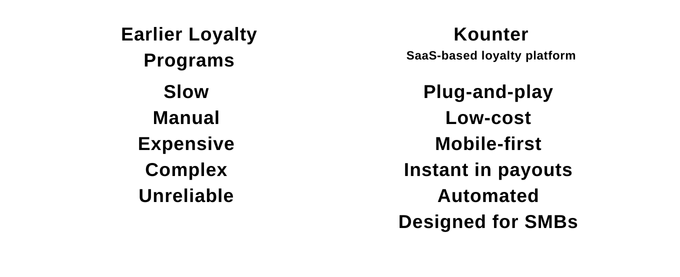
The SaaS Advantage for SMBs — In One Snapshot


Conclusion: SaaS Loyalty Platforms are Levelling the Playing Field for SMBs

Small and medium businesses no longer need to compromise when it comes to launching powerful loyalty programs. SaaS-based software offers them everything they need — flexibility, scalability, rich features, and most importantly — speed.

With SaaS, SMBs in Dubai, UAE, and across the Middle East can now:

  • Engage customers & channel partners
  • Retain high-value accounts
  • Reward long-term loyalty
  • Create viral word-of-mouth via influencer & referral programs
  • Scale seamlessly as business grows

👉 Pro Tip: If you’re evaluating loyalty software, always assess SaaS options before considering custom development. The flexibility, speed, and long-term ROI can dramatically shift your loyalty program’s success curve.


2,419 Post views
Categories
Blogs

SaaS-Based Loyalty vs. In-House Loyalty: Which Is Best for Your Business?

Loyalty programs in 2025 have become a cornerstone of customer retention and long-term business growth. As companies invest more in rewarding customer loyalty and increasing lifetime value, a key decision emerges: Should you build your loyalty program in-house or leverage a scalable SaaS-based loyalty platform?

Understanding the differences between these two approaches is crucial for businesses aiming to deliver seamless, engaging, and efficient loyalty experiences. In this blog, we’ll break down the pros and cons of SaaS loyalty platforms versus in-house loyalty solutions, helping you make the best choice for your brand.


Why SaaS-Based Loyalty Platforms Are Taking Over

Loyalty programs today go beyond simple points collection; they are dynamic systems driving recurring revenue and customer engagement. SaaS-based loyalty platforms have become increasingly popular for brands seeking fast deployment and rich functionality without heavy technical burdens.

Benefits of SaaS Loyalty Platforms

  • Rapid Deployment: Launch loyalty program in weeks, not months.
  • Pre-Built Workflows: Designed for customer, channel, and influencer programs.
  • Easy Configuration: Modify rewards, tiers, and rules without coding.
  • Continuous Updates: Benefit from regular feature enhancements driven by market trends.
  • Robust Analytics: Access real-time reporting to track ROI and campaign success.
  • Multilingual & Mobile-Friendly: Reach diverse audiences with accessible interfaces.

For many brands, SaaS loyalty platforms reduce dependency on IT teams, letting marketing and customer experience departments focus on strategy, personalization, and engagement.

Building an In-House Loyalty Program

While SaaS solutions are attractive for many, some businesses prefer building loyalty platforms internally, especially those with strict governance or unique business workflows.

Advantages of In-House Loyalty Systems

  • Complete Control: Full authority over architecture, data, and user experience.
  • Customization: Tailor rewards logic and UI to your specific audience.
  • Proprietary Integration: Embed loyalty within existing internal platforms seamlessly.

Limitations to Consider

  • High Development Costs: Building from scratch can take over a year with significant investment.
  • Maintenance Burden: Ongoing updates, security patches, and campaign management consume engineering resources.
  • Limited Agility: Feature changes require lengthy development cycles, slowing marketing responsiveness.
  • Hidden Expenses: Training, compliance, downtime management, and third-party integrations add costs.


Why SaaS Loyalty Platforms Offer Superior Integration

Loyalty programs only succeed when they sync well with your existing systems—CRM, POS, marketing automation, and e-commerce.

Key Integration Advantages

  • Built-In Connectors: Automatically sync data with major CRM and POS systems.
  • Open APIs: Facilitate smooth integration with legacy and modern platforms.
  • Real-Time Data Exchange: Drive personalized campaigns based on customer behavior.
  • eCommerce Compatibility: Ensure accurate order tracking and redemption management.

In contrast, in-house loyalty solutions require custom connectors and ongoing upkeep, often causing delays and data inconsistencies.


What Fits Your Business?

SaaS vs In-House Loyalty: The Final Showdown

Choosing the right loyalty technology depends on your business goals, technical resources, and timeline.

Final Thoughts

In a rapidly evolving loyalty landscape, your choice between SaaS-based loyalty platforms and in-house solutions should reflect your business’s growth plans, available resources, and customer engagement goals.

  • If you need fast deployment, scalability, & minimal technical hassle, a SaaS loyalty platform is often the best fit.
  • If your business requires deep customization & strict control, and has the resources for ongoing development, an in-house loyalty system may be appropriate.

Either way, the key to a successful loyalty program lies in integration, personalization, and delivering meaningful rewards that build long-lasting customer relationships.

2,024 Post views
Categories
Blogs

Overcoming Key Challenges in Loyalty Programs in the UAE and Middle East

Businesses are increasingly turning to loyalty programs as a strategy to drive customer retention, enhance engagement, and build long-lasting relationships. However, with changing customer expectations and the dynamic nature of these regions, managing and optimizing loyalty programs has become a complex task for many brands. From ensuring data privacy and compliance to overcoming fragmented data sources, businesses must navigate various challenges to deliver truly effective loyalty experiences.

In this blog, we’ll explore the top challenges faced by brands loyalty programs in the Middle East and offer practical strategies for overcoming these obstacles to achieve lasting success.

Key Challenges in Managing Loyalty Programs

As loyalty programs grow in popularity across the UAE and Middle East, businesses face several challenges in managing them effectively. From navigating complex data privacy laws to understanding diverse consumer behavior, staying agile is key. Below, we outline the key challenges brands face and strategies to address them.

1. Data Privacy and Compliance Concerns

As data privacy regulations like GDPR and CCPA grow more stringent, businesses in the UAE and Middle East must ensure that their loyalty programs comply with these evolving laws. Collecting and storing customer data poses a major challenge, particularly for businesses operating in multiple regions with different data protection laws.

2. Customer Engagement Fatigue

Consumers today are bombarded with loyalty programs from nearly every brand they interact with. As a result, many customers experience loyalty fatigue—overwhelmed by complex programs with little perceived benefit. This leads to disengagement, with customers either ignoring loyalty offers or simply losing interest.

3. Fragmented Data and Measurement Challenges

With multiple touchpoints, channels, and departments involved in the customer journey, measuring the effectiveness of loyalty programs can be a complex task. Fragmented data sources make it difficult for businesses to track and attribute success across various channels and understand the real impact of their marketing efforts.

4. Ineffective Customer Segmentation

Many businesses fail to adequately segment their customers based on transactional and behavioral data. Without proper segmentation, businesses cannot tailor their loyalty offerings effectively, resulting in lower customer satisfaction and retention.

5. Unclear Value Propositions

As loyalty programs become more complex, customers often find it difficult to understand rewards’ value. A lack of transparency in reward structures and how points are accumulated and redeemed can confuse customers, reducing their engagement with the program.

6. Inefficient Resource Allocation

Choosing the right marketing channels and optimizing resource allocation can be challenging, particularly when businesses don’t have clear insights into where their efforts are driving the most impact. This leads to wasted resources and suboptimal ROI.

Strategies to Boost Loyalty Program Success

Now that we’ve identified the key problems facing businesses, let’s discuss the strategies that can help overcome these challenges and enhance the effectiveness of loyalty programs in UAE and Middle East.

1. Implementing a Privacy-First Approach

To address data privacy concerns, businesses should adopt a privacy-first approach to ensure customer trust. This means prioritizing first-party data, being transparent about data collection practices, and staying updated with regulatory changes. Clear communication about how customer data is collected, stored, and used will help businesses stay compliant and build a loyal customer base.

2. Fostering Customer Engagement with Personalized Rewards

To avoid customer engagement fatigue, brands should focus on providing personalized, relevant rewards that resonate with their audience. Implementing AI-powered personalization can tailor loyalty offerings to the unique preferences and purchasing behavior of customers, making their experience more enjoyable and rewarding. Personalization can range from offering tailored discounts to sending special offers based on past purchases, helping brands stand out from the noise.

3. Unifying Data and Real-Time Tracking

To solve the issue of fragmented data, businesses can implement a Customer Data Platform (CDP) that consolidates customer information from online and offline sources. Using real-time AI-driven analytics, businesses can track key performance indicators (KPIs) and gain actionable insights. This allows businesses to measure the impact of their loyalty programs accurately and adjust strategies accordingly for maximum effectiveness.

4. Effective Customer Segmentation

By using advanced data analytics, businesses can segment their customers more effectively. Segmenting customers based on demographics, purchasing behavior, and preferences enables brands to offer highly targeted loyalty rewards that are more likely to drive engagement and repeat business. This can also help brands identify high-value customers and prioritize them with exclusive benefits or higher-tier rewards.

5. Simplifying Loyalty Program Structures

To make loyalty programs more appealing, brands must simplify their reward structures. Providing clear, transparent information about how loyalty points are earned and redeemed can prevent confusion. A user-friendly interface on mobile apps and websites, along with plain-English summaries, will help customers easily understand how the program works and what they stand to gain.

6. Optimizing Marketing Channels for Maximum ROI

To improve resource allocation, businesses should analyze customer data to determine which marketing channels are most effective at different stages of the customer journey. By using predictive analytics and intent data, businesses can allocate marketing spend wisely across the most effective channels, maximizing ROI and boosting customer engagement.

7. Leveraging Mobile-First Loyalty Programs

In the UAE and Middle East, with the increasing penetration of smartphones, businesses should consider mobile-first loyalty programs. By integrating loyalty programs into mobile apps, customers can easily track points, redeem rewards, and access exclusive offers at their fingertips. This convenience boosts participation and enhances the customer experience.

8. Building Multi-Brand Coalition Loyalty Programs

To increase customer engagement, businesses can adopt coalition loyalty programs where customers can earn and redeem points across multiple brands. This type of program is especially effective in industries like retail, travel, and telecom, as it offers consumers a broader array of rewards, making the loyalty experience more valuable. Cross-brand partnerships help increase the perceived value of the program and encourage repeat business.


Conclusion

To succeed in the rapidly evolving markets of Dubai, UAE, and the Middle East, businesses need to adopt a data-driven, personalized approach to their loyalty programs. By addressing common challenges like data privacy, customer engagement fatigue, and fragmented data, brands can build loyalty programs that are not only more effective but also more aligned with their customers’ expectations.

With the right strategy—whether it’s simplifying reward structures, leveraging AI and mobile-first solutions, or offering cross-industry rewards—businesses can create a loyal customer base that drives long-term growth. The key is to continually innovate and adapt, ensuring your loyalty program evolves with customer needs and market trends.

Ultimately, Almonds Ai is more than just a loyalty platform—it’s a strategic growth enabler. By leveraging AI and automation, it simplifies partner management while maximizing engagement and ROI. Businesses that embrace such innovation are better positioned to scale efficiently and sustainably.

2,107 Post views
Categories
Blogs

15 Essential Tips for Launching a Successful Channel Loyalty Program

In today’s competitive marketplace, building strong relationships with channel partners like distributors, retailers, and resellers is critical to sustained business growth. Channel loyalty programs have emerged as a powerful tool to motivate and retain these partners, driving higher sales performance and deeper engagement. But managing loyalty across diverse partner types and complex distribution networks comes with unique challenges.

In this blog, we explore key tactics for designing and implementing effective channel loyalty programs that not only reward but also strengthen your partner ecosystem.


1. Personalize Rewards Using Partner Insights For Channel Loyalty Programs

One-size-fits-all rewards won’t suffice for channel partners. Use partner intelligence to understand who your distributors and retailers are, how they perform, and what motivates them. By personalizing rewards based on real activity and sales data, you’ll build trust and boost genuine engagement. Avoid rewarding inactivity or fraud by focusing on verified behaviors.


2. Build Emotional Connections

Channel loyalty isn’t just about hitting sales targets. Recognize and celebrate milestones like consistent growth, onboarding new customers, or outstanding service. Creating emotional bonds with partners strengthens their commitment and loyalty, turning them into brand advocates rather than just sales points.


3. Consider Your Partners’ Challenges and Needs

Think from the perspective of your channel partners. Are your loyalty goals realistic given their operational challenges? Programs that overburden partners with complex requirements or unattainable targets risk disengagement. Make sure the value exchange feels fair and the process is straightforward.


4. Use Tailored Rewards and Gamification for Greater Participation

Engage partners by offering rewards aligned with their business goals, like marketing support, business tools, or exclusive training sessions, instead of just cash or discounts. Incorporate gamification such as leaderboards, badges, or tier upgrades to keep them motivated and involved over the long term.


5. Turn Sales into Achievements

Recognize everyday efforts like timely order submissions, accurate reporting, or brand compliance with points or special acknowledgments. These “moments of affirmation” make partners feel valued for more than just sales volumes, increasing their satisfaction and loyalty.


6. Deliver Meaningful Rewards

Regularly survey your channel partners to understand what rewards they actually value. Some may prefer business growth resources, others might want exclusive deals or access to new products. Keep your loyalty offerings relevant and straightforward to encourage sustained participation.


7. Reward Engagement, Not Just Sales

A loyalty program should reward behaviors beyond purchase volume, like training attendance, co-marketing activities, and referrals. By acknowledging various forms of engagement, you foster a collaborative partnership culture where loyalty is habitual, not just transactional.


8. Offer Diverse Rewards to Cater to Different Partner Types

Your channel network is diverse, from small independent retailers to large distributors. Offer a mix of rewards such as volume-based discounts, marketing funds, business tools, training, and exclusive invites. Diversity in rewards ensures every partner segment feels catered to.


9. Keep Your Program to Understand

Complicated reward structures confuse partners and reduce participation. Ensure that the program’s benefits, rules, and redemption processes are clearly communicated. A simple and intuitive program increases partner satisfaction and drives more consistent loyalty.


10. Avoid Hidden Traps and Over-Complexity in Rules

Transparency is crucial. Avoid hidden fees, unrealistic redemption thresholds, or convoluted terms that frustrate partners. Use clear and honest communication to build trust and long-term commitment. Remember, a complicated program often loses participants.


11. Loyalty Program as Extension of Brand

Your channel loyalty program should reflect your brand values and culture. Align rewards with your brand’s identity, whether it’s innovation, reliability, or customer-centricity. When the program feels authentic, partners are more likely to resonate and stay loyal.


12. Loyalty Through Genuine Partnership

True loyalty grows from mutual benefit and respect, not from transactional perks alone. Avoid short-term “buying” of loyalty with excessive discounts or bonuses. Invest in creating meaningful relationships and providing ongoing support that demonstrates your commitment to your partners’ success.


13. Strategic Behaviors Driving Business Goals in Channel Loyalty Programs

Design your loyalty program to reward channel partners for behaviors that align with your long-term business objectives. Whether it’s increasing sales of a new product, improving service quality, or growing market penetration, clearly link rewards to measurable actions.


14. Focus on What Your Partners Want to Achieve

Understand the goals of your channel partners—be it revenue growth, operational efficiency, or market expansion—and tailor your loyalty program to help them reach these goals faster. Personalized rewards that accelerate partner success feel more like a partnership than a promotion.


15. Nurture & Optimize the Loyalty Program

A channel loyalty program isn’t a “set and forget” project. It’s a living product that needs constant tending. Regularly review performance, gather partner feedback, update rewards, and innovate based on market trends. Assign a dedicated program manager who drives ongoing improvements and aligns the program with your evolving channel strategy.


Conclusion

Effective channel loyalty programs go beyond simple rewards—they foster collaboration, motivation, and long-term partnerships. By understanding your partners’ needs and delivering tailored incentives, businesses can unlock new growth opportunities and improve market reach.

The right mix of engagement strategies, clear communication, and data-driven insights will ensure your channel loyalty program thrives, keeping your partners invested and your brand ahead in a competitive landscape.


2,163 Post views
Categories
Blogs

Why Businesses Should Integrate Loyalty Programs with Existing Software Systems

In today’s fast-paced and competitive business environment, companies are continuously searching for innovative ways to engage with customers and retain their loyalty. Loyalty Programs are a key strategy used by businesses to strengthen these relationships, boost repeat business, and enhance customer satisfaction. However, to truly leverage the power of Loyalty Programs, businesses must integrate these programs with their existing software systems such as Customer Relationship Management (CRM), Enterprise Resource Planning (ERP), and e-commerce platforms.

By connecting loyalty programs with these systems, businesses can achieve a seamless data flow, improve operational efficiency, offer personalized customer experiences, and gain insights that can drive future strategies. Integration with existing software infrastructure not only ensures the smooth execution of loyalty programs but also enhances the customer experience and leads to greater program success. In this article, we’ll explore why businesses should integrate Loyalty Programs with their software systems, and what types of loyalty programs can be integrated for maximum impact.

1. Seamless Data Flow and Centralized Management

One of the most significant advantages of integrating Loyalty Programs with existing software systems is the seamless flow of data between platforms. By integrating your loyalty platform with your CRM, ERP, and e-commerce systems, businesses can centralize customer data, including transaction history, loyalty points, and reward redemptions. This centralization of data allows businesses to maintain an accurate and up-to-date record of every customer interaction, regardless of the channel or touchpoint.

For instance, if a customer makes a purchase on an e-commerce platform, the integration ensures that loyalty points are automatically credited to their account, and any rewards or discounts are applied accordingly. Similarly, data collected from in-store interactions can be synchronized with online activities to provide a comprehensive view of customer behavior.

Case Study: A B2B Loyalty Platform in Dubai integrated their CRM with their loyalty program, capturing detailed customer behavior data. This integration helped them personalize communication, send timely promotions, and build stronger relationships. As a result, the company experienced a 25% increase in customer retention and a significant boost in customer satisfaction.

The centralization of data also enables businesses to streamline their loyalty program management by providing one platform from which they can monitor performance, track KPIs, and adjust the program as necessary.

2. Enhanced Customer Experience through Personalization

Personalization has become a fundamental aspect of modern customer service. When integrated with existing software systems, Loyalty Programs can leverage detailed customer data to offer highly personalized rewards, targeted promotions, and unique experiences. This ensures that each interaction feels tailored to the individual customer, which not only increases satisfaction but also drives engagement.

With access to a customer’s purchase history, preferences, and loyalty status, businesses can deliver rewards that are meaningful and relevant. Personalized rewards, such as discounts on frequently purchased products or exclusive offers on items that the customer has shown interest in, are much more effective in keeping customers engaged and loyal.

Case Study: A B2B Rewards Platform in UAE integrated their loyalty program with their e-commerce and point-of-sale (POS) systems, allowing them to analyze purchasing behavior and customize rewards based on individual preferences. This resulted in a 40% increase in customer engagement and a 30% rise in overall customer lifetime value.

Personalization not only enhances the customer experience but also helps businesses retain customers for longer periods. When customers feel valued and their needs are understood, they are more likely to stay loyal to the brand.

3. Automation of Processes and Increased Efficiency

Integrating Loyalty Programs with existing software systems also enables automation, reducing the need for manual intervention in various processes, such as tracking points, issuing rewards, and processing redemptions. Automation streamlines the operations, ensuring a more efficient and error-free process.

Automated systems can instantly calculate points for each purchase, update the loyalty account in real-time, and notify customers about their reward status. This reduces the workload for employees and minimizes the chances of human errors. Additionally, automated systems can send reminders, promotions, and updates to customers, ensuring continuous engagement without requiring manual effort.

By minimizing manual processing, businesses can allocate more resources toward strategic tasks such as customer engagement and innovation in their loyalty offerings.

Case Study: A global retailer with a B2B Loyalty Platform integrated their loyalty program with their order management and payment systems. This automation allowed them to reduce the processing time for reward point calculations by 50%, leading to faster transactions and improved customer satisfaction.

The ability to automate the tracking, issuing, and redemption of rewards also significantly reduces the operational burden, leading to increased overall efficiency.

4. Better Reporting and Analytics for Data-Driven Decisions

The integration of Loyalty Programs with business intelligence and analytics tools allows businesses to track performance metrics, measure ROI, and optimize loyalty strategies. With access to detailed insights, businesses can monitor customer behavior, redemption patterns, and program engagement levels. These insights are crucial in refining loyalty initiatives and making data-driven decisions.

For example, integration with an analytics platform enables businesses to identify which rewards are the most popular, what types of promotions lead to the highest redemption rates, and which customer segments are most engaged with the loyalty program. This data can then be used to refine the rewards catalog, adjust marketing strategies, and ensure the program is aligned with customer expectations.

Case Study: A B2B Loyalty Platform in the UAE integrated its loyalty system with a cloud-based analytics tool, enabling detailed reports on customer interactions, loyalty program effectiveness, and reward redemption trends. The company used these insights to optimize their reward offerings, resulting in a 20% improvement in program engagement.

With advanced reporting, businesses can refine their strategies in real-time, ensuring that their loyalty programs continue to meet customer needs and drive engagement.

5. Scalable Growth and Future-Proofing

As businesses grow, so does the complexity of their Loyalty Programs. Whether expanding to new markets, adding new products, or increasing their customer base, businesses need systems that can scale alongside them. Integrating loyalty programs with scalable platforms, such as cloud-based ERP systems, ensures that businesses can handle growth without compromising performance or customer experience.

Scalable integrations allow businesses to easily add new features, such as expanding rewards catalogs, adding new redemption channels, or launching targeted regional campaigns, as their needs evolve. The ability to adapt to changing customer expectations and business requirements is crucial for staying competitive in a rapidly evolving market.

Case Study: A B2B Loyalty Platform in Dubai saw a 30% growth in customer base within a year after integrating their loyalty program with a scalable cloud-based ERP system. This allowed them to manage increased customer transactions and loyalty redemptions without facing operational disruptions.

As businesses expand, integrating loyalty programs with scalable systems ensures that their initiatives remain efficient and responsive to future demands.

6. Enhanced Communication and Engagement

Effective communication is key to the success of any Loyalty Program. Integration with communication platforms—such as email marketing, SMS, and mobile apps—ensures that businesses can stay connected with customers at every stage of their loyalty journey. By linking loyalty systems with these platforms, businesses can automate personalized communications based on customer behavior, such as sending rewards notifications, offering exclusive promotions, or reminding customers to redeem their points before they expire.

Timely and relevant communication keeps customers engaged and encourages participation in the program. It also ensures that customers never miss out on an opportunity to benefit from the rewards they have earned.

Case Study: A B2B Rewards Platform in UAE integrated their loyalty system with SMS and email communication tools, allowing them to send personalized notifications about reward points, special offers, and upcoming promotions. This led to a 35% increase in customer interaction and a 25% rise in the redemption rate of rewards.

By automating communications and ensuring they are highly relevant, businesses can strengthen their relationships with customers and enhance engagement with their loyalty programs.

Types of Loyalty Programs That Can Be Integrated with Existing Systems

Different types of Loyalty Programs can be integrated with existing software systems to achieve varying business objectives. Here are some popular types of loyalty programs and how they can benefit businesses when integrated:

1.     Points-Based Loyalty Programs

In a points-based loyalty program, customers earn points based on their purchases, which can later be redeemed for rewards or discounts. Integration with existing POS systems allows businesses to automatically track points for every transaction, simplifying the process for customers and ensuring accurate point balances.

2. Tier-Based Loyalty Programs

Tier-based programs reward customers based on their level of engagement or spending. Integration with CRM and sales platforms helps track customer progress through different tiers, offering personalized rewards as customers advance. This type of program encourages customers to spend more to reach higher tiers and unlock better rewards.

3. Cashback Loyalty Programs

Cashback programs provide customers with a percentage of their purchase value back as a reward. Integrating cashback programs with payment systems ensures that cashback credits are automatically applied during checkout, providing a seamless and effortless experience for customers.

4. Gamified Loyalty Programs

Gamified loyalty programs incorporate gaming elements, such as challenges, badges, and leaderboards, to make the loyalty experience more fun and engaging. Integration with existing systems allows businesses to track customer achievements and reward customers for completing specific challenges, encouraging continued participation.

5. Subscription-Based Loyalty Programs

Subscription-based programs offer exclusive benefits and rewards for customers who sign up for regular subscriptions. Integrating these programs with subscription management and payment platforms allows businesses to easily track subscribers and ensure they receive ongoing benefits, such as discounted products or access to premium content.

6. Referral Programs

Referral programs reward customers for referring new customers to the business. Integration with CRM systems allows businesses to track referrals and reward both the referrer and the referred customer, further incentivizing word-of-mouth marketing.

Conclusion

Integrating Loyalty Programs with existing software systems is no longer a luxury—it is a necessity for businesses looking to stay competitive, scale efficiently, and enhance customer loyalty. Whether you’re operating a B2B Loyalty Platform in Dubai or a B2B Rewards Platform in UAE, the benefits of integration are clear: streamlined operations, personalized experiences, data-driven insights, and the ability to scale with ease.

By leveraging the power of integrated loyalty programs, businesses can enhance customer relationships, boost engagement, and ultimately increase revenue. The seamless flow of data, automation of processes, and ability to offer personalized rewards will help businesses stay relevant in a rapidly changing market. Integration is the key to future-proofing your loyalty initiatives and ensuring sustained business growth.


2,892 Post views
Categories
Blogs

The Future of Loyalty Programs: Global Trends and Innovations Shaping Customer Retention

Loyalty programs are essential tools for building customer retention, especially as businesses adapt to an evolving, tech-driven marketplace. As we move into 2025 and beyond, loyalty programs are expected to see a surge in growth, with industry trends pointing toward mobile-first engagement, AI-driven personalization, gamification, and sustainable practices. 

The Growing Market of Loyalty Programs 

The global loyalty programs market is forecasted to grow significantly in the coming years, with an expected 13.4% annual growth rate, reaching a market size of $155.22 billion by 2029. With consumers increasingly seeking personalized experiences and brands striving for more engagement, the adoption of loyalty programs will continue to rise. Particularly in emerging markets, brands will focus on digital-first loyalty systems, mobile apps, and real-time, data-driven engagement to attract and retain customers. 

India, for example, is experiencing a surge in loyalty program adoption as brands use data to personalize rewards and offer seamless customer experiences across digital platforms. The shift to digital-first solutions allows businesses to provide a better experience to the growing tech-savvy population. More businesses are tapping into e-commerce loyalty programs, integrating mobile wallets, gamified loyalty points, and AI-driven rewards into their customer engagement strategies. 

1. Digital-First Loyalty Programs Lead the Charge

The use of mobile-first loyalty programs has dramatically transformed customer engagement. Consumers expect seamless experiences on their smartphones, where they can track rewards, redeem them easily, and receive personalized offers. As smartphones continue to penetrate markets globally, more businesses are adopting app-based loyalty systems, which provide an efficient and user-friendly way to engage with customers. 

For instance, popular retailers are embracing digital loyalty solutions, allowing customers to access rewards directly through mobile apps. The widespread use of mobile payments and the rise of digital commerce has made integrating real-time loyalty programs more vital than ever. These solutions make it easier for businesses to enhance customer satisfaction, increase loyalty, and boost repeat purchases. 

2. The Rise of Gamification in Loyalty Programs

In response to growing consumer demand for more engaging experiences, many brands are incorporating gamification into their loyalty strategies. Gamification can transform a standard loyalty program into an interactive, fun experience for consumers. 

Consumers, particularly Millennials and Gen Z, are drawn to gamified experiences that allow them to earn rewards through engaging activities like check-ins, challenges, and competitions. Retailers worldwide are introducing interactive elements such as spin-to-win mechanics, leaderboards, and milestone-based rewards to boost customer engagement and retention. Gamification not only increases participation but also builds a deeper connection with the brand. 

As seen with popular e-commerce and retail platforms, these game-like features create a sense of achievement for customers, encouraging them to stay loyal and make repeat purchases. The success of such programs across industries suggests that gamification will continue to grow as a cornerstone of customer engagement. 

3. Coalition Loyalty Programs

A Multi-Brand Approach to Customer Engagement

Coalition loyalty programs, where multiple brands collaborate to offer shared rewards, are becoming increasingly popular. This model allows customers to earn and redeem points across various sectors, from retail to travel and dining. The appeal of coalition programs lies in their flexibility, as they offer customers the opportunity to use points across different brands rather than being confined to a single retailer. 

Brands in India and globally are embracing coalition loyalty programs to increase customer engagement. For instance, cross-industry partnerships allow customers to earn rewards not just from their favorite stores but also from dining, travel, and fuel purchases. This flexibility boosts the program’s value, leading to stronger customer loyalty and enhanced brand relationships. 

As more industries look to integrate loyalty rewards into their ecosystems, coalition programs are set to grow, offering customers more opportunities to engage with brands and redeem their points across multiple platforms. 

4. AI-Driven Personalization

The Key to Customer Retention

Personalization is becoming a must-have feature for loyalty programs. AI-powered solutions are transforming how brands engage with customers by tailoring offers based on individual preferences and behaviors. AI-driven analytics enable brands to provide personalized discounts, offers, and recommendations, which not only increase engagement but also drive more repeat purchases. 

Loyalty programs that leverage AI can anticipate customer needs and deliver rewards that resonate on a personal level. Data collected from previous interactions, purchases, and browsing habits can be used to create hyper-targeted campaigns that keep customers engaged and loyal. 

In emerging markets, particularly in India, AI-powered personalization is gaining traction as companies aim to offer hyper-relevant rewards based on customer behavior. Brands that adopt AI tools to personalize loyalty rewards will have a distinct advantage in maintaining long-term customer relationships. 

5. Sustainable Loyalty Programs

Meeting the Demands of Eco-Conscious Consumers

As consumer awareness of sustainability grows, brands are incorporating eco-friendly incentives into their loyalty programs. From offering carbon offset rewards to discounts on sustainable products, brands are aligning their loyalty strategies with sustainability goals. 

In India, as well as globally, consumers are increasingly motivated by ethical considerations. Brands that reward sustainable choices are not only fostering customer loyalty but also positioning themselves as leaders in corporate responsibility. Loyalty programs that support green initiatives will likely see higher participation rates, particularly among environmentally conscious consumers. 

6. Financial Inclusion

Leveraging Loyalty to Promote Digital Payments

In regions like India, where financial inclusion remains a key focus, loyalty programs are playing a role in encouraging the adoption of digital financial services. Loyalty initiatives are being integrated with mobile wallets and digital payment platforms to incentivize consumers for making digital transactions. 

By rewarding consumers for using mobile payment services, brands are driving customer adoption of digital financial tools. This approach helps bridge the gap for underbanked populations and creates new avenues for customer engagement in emerging markets.

7. The Future of Loyalty Programs

A Blend of Innovation and Personalization

As the loyalty landscape continues to evolve, businesses are investing in innovative technologies to enhance customer engagement. AI, blockchain, gamification, and mobile-first platforms are reshaping loyalty programs, enabling brands to build deeper connections with consumers. 

The future of loyalty programs lies in offering seamless, personalized, and engaging experiences across digital and physical touchpoints. Brands that adapt to consumer preferences and leverage data-driven strategies will be well-positioned to lead in the competitive loyalty landscape. 

Conclusion 

The loyalty programs market is poised for significant growth, driven by emerging trends such as gamification, AI-powered personalization, coalition programs, and sustainability-linked incentives. Brands that invest in these innovative strategies will not only drive customer retention but also build stronger, more personalized relationships with their customers. 

To remain competitive, businesses must continue evolving their loyalty programs to meet the changing expectations of customers. By embracing new technologies, data-driven insights, and customer-centric approaches, brands can position themselves for long-term success in the loyalty market.

2,827 Post views