Team Almond - Almonds Ai - Page 19

Almonds Ai releases Channel Loyalty Report 2026 analyzing India’s evolving channel loyalty ecosystem. Click Here

Categories
Blogs

The Pros and Cons of Airline Loyalty Programs: A Comprehensive Review

Airline loyalty programs have been around for decades, offering frequent flyers the opportunity to earn miles or points that can be redeemed for flights, hotel stays, and other rewards. While loyalty rewards programs can significantly benefit travelers, they also have their fair share of drawbacks.

In this blog, we will review the pros and cons of airline reward programs and explore how airlines are navigating these challenges.

Pros of Airline Loyalty Programs

Airlines have introduced frequent flyer programs as these can increase loyal customers. Some advantages that lead to this conclusion are as follows:

Free Flights and Upgrades

The most significant benefit of airline reward programs is free flights and upgrades. Frequent flyers can earn miles or points by booking flights, using credit cards, or staying at partner hotels. These miles can be redeemed for flights, upgrades, or other rewards, significantly saving travelers.

Take an example of Delta Air Lines’ SkyMiles rewards program, which allows travelers to earn miles by booking flights, using Delta’s credit cards, or staying at partner hotels. These miles can then be redeemed for flights, upgrades, or other rewards, providing significant value to frequent flyers.

Priority Treatment

Another benefit of airline reward programs is the priority treatment given to frequent flyers. Elite members of reward programs are often given priority boarding, access to priority security lines, and other perks that make travel more comfortable and convenient.

For example, United Airlines offers a MileagePlus rewards program, which offers Premier status to its most frequent flyers. These members are given priority boarding, access to priority security lines, and other perks that make travel more comfortable and convenient.

Special Benefits Frequent Flyers

Frequent flyer programs provide frequent travelers with a host of valuable perks that make each journey more enjoyable and affordable. Members often enjoy access to premium services like priority boarding, lounge access, and occasional upgrades to business or first class, which add comfort and convenience, especially on longer trips.

Beyond comfort, the ability to redeem miles or points for free or discounted flights offers real savings. Regular travelers quickly accumulate points, allowing them to offset travel expenses for future personal or family trips, making the program genuinely rewarding. Many airlines also include cross-industry perks, where members can earn or use points with partnered hotels, car rental agencies, or even retail brands, adding extra value beyond the flight experience.

Frequent flyer programs also elevate loyalty with enhanced tiers that unlock benefits like additional baggage allowance, faster rewards, and dedicated customer support. High-tier members often receive quicker service and personalized assistance, which is invaluable for those needing quick support during their travels. Overall, these programs transform regular travel into a smoother, more rewarding experience, making loyalty well worth it for frequent fliers.

Partner Programs

Airline reward programs often offer partner programs, allowing members to earn miles or points through other means, such as credit card spending, hotel stays, or car rentals. It provides more opportunities for members to earn rewards and other incentives, even when they are not traveling.

American Airlines offers its AAdvantage rewards program. It is considered one of the best airline loyalty programs, which allows members to earn miles through credit card spending, hotel stays, and car rentals. It provides more opportunities for members to earn rewards and redeem them for flights or other rewards.

Cons of Airline Reward Programs

Even though loyalty programs are profitable, some checks and balances should be considered. Airline companies must consider these checks while creating and running loyalty programs.

Complex Rules and Restrictions

In airline loyalty programs, redemption options can be limited, and blackout dates and other restrictions often make it challenging to redeem rewards.

For example, some airlines may limit the number of reward seats available, making it difficult to redeem miles for a flight. Similarly, some airlines may have blackout dates during peak travel times, making redeeming rewards during these periods challenging.

Expiration Dates

Another drawback of airline reward programs is the expiration dates that come with the rewards. Miles or points earned through reward programs may have expiration dates, making it challenging to accumulate enough rewards to redeem for a significant benefit. 

For example, Delta Air Lines’ SkyMiles rewards program requires members to earn or redeem miles every 12 months to keep their account active. Failure to do so will result in the loss of any accumulated miles. 

Devaluation of Points

Airline reward programs can also suffer from the devaluation of points, which occurs when airlines increase the miles or points required to redeem them. Frequent flyers can find it challenging to accumulate enough rewards to redeem for a significant benefit.

For example, in 2014, Delta Air Lines increased the miles required to redeem some of its rewards, making it more challenging for members to redeem them. 

Navigating the Pros and Cons

While airline reward programs have pros and cons, airlines constantly work to navigate these challenges. For example, some airlines are introducing more flexible redemption options, making it easier for members to redeem their rewards. Others are introducing new partnerships to provide more opportunities for members to earn rewards.

For example, Delta Air Lines introduced its SkyMiles program, offering members benefits such as priority boarding, free checked bags, and discounted Delta Sky Club memberships. This program allows members to earn rewards without accumulating miles or points, providing more flexibility. 

Another example is Southwest Airlines’ Rapid Rewards program, which allows members to redeem rewards for any available flight with no blackout dates. It provides members with more flexibility in redeeming their rewards and makes it easier to find available flights to redeem their rewards.

In addition to these changes, airlines are working to improve their reward programs by providing more value to their members. For example, some airlines are introducing more premium rewards, such as access to exclusive airport lounges, private jet charters, or experiences such as culinary tours or concert tickets. 

Conclusion

Airline reward programs offer significant benefits for frequent flyers, such as free flights, priority treatment, and partner programs. However, they also come with drawbacks. That’s why airlines constantly work to improve their loyalty programs and provide more value to their members. 

As travelers navigate the post-COVID world, airline loyalty programs may become even more important as airlines look to attract customers back to the skies. By understanding the pros and cons of these programs and how airlines navigate these challenges, travelers can make informed decisions about which reward programs to participate in and how to maximize their rewards.

Frequently Asked Questions

Here is some of the questions asked by people about airline loyalty programs.

1. What are the primary benefits of frequent flyer programs?
Frequent flyer programs offer a range of valuable benefits for travelers, from free or discounted flights to access to exclusive services and amenities. Common perks include priority boarding, extra baggage allowance, access to airport lounges, and even complimentary upgrades to business or first class. For travelers who fly often, these benefits can make a significant difference, enhancing comfort and providing cost savings on flights and travel services.

2. Are there any downsides to joining an airline loyalty program?
While airline loyalty programs are enticing, there are potential drawbacks to consider. Some loyalty programs impose restrictions on reward flight availability, making it difficult to redeem miles during peak times. Blackout dates, limited seat availability, and fees for redeeming miles on certain routes can also be frustrating. Additionally, higher loyalty tiers often require frequent travel on the same airline or within a specific airline alliance, which may not be practical for travelers who prefer flexibility or need to fly with multiple airlines.

3. Do frequent flyer miles expire if they’re not used regularly?
Yes, many frequent flyer programs have expiration policies. If an account is inactive for a prolonged period—meaning no points are earned or redeemed—miles may expire. This could be a drawback for less frequent travelers who may find it challenging to accumulate and use points within the expiration period. However, some airlines offer more flexible policies, allowing any activity on the account (like making a small purchase with a linked credit card) to reset the expiration clock.

4. Can I transfer my frequent flyer miles to other airlines or family members?
Generally, frequent flyer miles can be transferred within an airline alliance or to family members, though each program has different rules. Many airlines are part of alliances that allow members to redeem miles with partner airlines, broadening travel options and providing more flexibility in point redemption. Some programs also offer family pooling, allowing families to combine miles and redeem rewards faster. However, transferring miles outside of an alliance or to other loyalty programs is typically not allowed.

5. Is it worth joining a frequent flyer program if I only travel occasionally?
Even occasional travelers can benefit from joining a frequent flyer program, especially if the program has partnerships with hotels, car rentals, credit card providers, or retail brands. These partnerships allow members to earn points on everyday purchases, so even infrequent flyers can gradually accumulate points. However, occasional travelers might find it challenging to reach higher loyalty tiers or earn substantial rewards if they rarely fly with the same airline. It’s important to weigh the potential benefits against how often and how consistently you’ll use the program.

6. How do airline alliances affect the pros and cons of loyalty programs?
Airline alliances, like Star Alliance or OneWorld, allow loyalty program members to earn and redeem miles across multiple airlines within the alliance, providing more flight options and global reach. This setup benefits travelers by offering broader networks for earning and redeeming miles, making it easier to find flights that work for specific travel needs. However, not all partner flights earn points at the same rate, and some airlines within alliances have limited reward availability. Additionally, each airline may have unique rules for mile accrual and redemption, which can impact the overall value and ease of use of the frequent flyer program.

7. Are there any costs associated with frequent flyer programs?
Joining most frequent flyer programs is free, but reaching higher loyalty tiers can sometimes come with annual fees, and certain exclusive memberships may be available only through paid credit cards. Additionally, some airlines may charge fees for redeeming points on award tickets, especially on popular routes or during high-demand periods. Transferring points to other accounts or airline partners may also come with a fee. If a traveler frequently uses these services or redeems points on certain flights, the added fees can become a consideration.

8. What should I consider before committing to one airline’s loyalty program?
Before committing, it’s essential to evaluate your travel patterns and needs. Consider if the airline’s frequent flyer program covers routes you often fly, offers flexible redemption options, and aligns with your travel style. It’s also helpful to assess whether the airline belongs to an alliance, as this provides access to more flights and partners for earning and redeeming points. Check for restrictions like blackout dates, fees for redeeming rewards, and point expiration policies, as these can impact how easily you can use rewards. Also, consider how often you travel with the airline, as higher tiers and benefits generally require consistent loyalty to a single airline or alliance.

9. Do frequent flyer programs benefit business travelers more than leisure travelers?
Frequent flyer programs often cater to business travelers, who travel frequently and can more easily accumulate points, reach higher loyalty tiers, and enjoy premium benefits like lounge access and priority services. These perks make travel smoother and more comfortable, especially for those on tight schedules. However, leisure travelers can also benefit from loyalty programs by accumulating points over time through flights and partner purchases. While they may not reach elite status as quickly, they can still redeem miles for discounted flights or upgrades, which can enhance vacation travel experiences.

10. Can frequent flyer programs encourage travelers to spend more than they would otherwise?
Yes, frequent flyer programs can incentivize higher spending by encouraging travelers to prioritize a specific airline for rewards, purchase upgrades, or spend more on partner services like hotels and car rentals. The appeal of reaching higher tiers or accumulating more points can lead some travelers to make decisions based more on rewards than on cost efficiency. While this can be beneficial for travelers who regularly utilize the rewards, those who value flexibility or cost savings might find these incentives less beneficial if they are not flying frequently enough to justify the extra expenses.


5,673 Post views
Categories
Blogs

A Guide for Green Loyalty Programs: Covering Why, What, and How

In today’s world, sustainability is a crucial consideration for businesses across all sectors. Green Loyalty Programs have emerged as an effective tool to encourage environmentally responsible practices in the B2B market.

This blog post will explore the need for such programs, their elements, key measurement parameters for sustainability, and insights on implementing a successful Green Loyalty Program in a B2B business model.

The Need for Green Loyalty Programs

The B2B market holds immense potential for driving sustainable practices. Green Loyalty Programs in this sector are vital in addressing environmental challenges by fostering sustainability and promoting eco-friendly behavior. These programs encourage businesses to adopt environmentally responsible practices, reduce carbon footprints, and engage in sustainable procurement.

Additionally, Green Loyalty Programs help create a competitive edge by demonstrating a company’s commitment to sustainability, attracting like-minded partners, and enhancing brand reputation.

Elements of a Green Loyalty Program

Implementing a successful Green Loyalty Program in a B2B setting requires careful consideration of the following elements:

  • Clear Sustainability Goals
    Define specific sustainability objectives aligned with the organization’s values and industry standards. It could include reducing greenhouse gas emissions, promoting energy efficiency, or implementing sustainable supply chain practices.
  • Reward Structure
    Develop a rewards system that recognizes and incentivizes sustainable actions in the B2B ecosystem. It could involve discounts, exclusive offers, or priority access to eco-friendly products and services.
  • Collaboration and Partnerships
    Collaborate with like-minded suppliers, manufacturers, and service providers who are committed to sustainability. Partnering with environmentally responsible organizations enables mutual support and encourages sustainable practices throughout the supply chain.
  • Measurement and Reporting
    Implement robust metrics and reporting mechanisms to track sustainability parameters, such as energy consumption, waste reduction, water usage, or carbon emissions. Transparent reporting helps assess the program’s impact and fosters accountability.

Key Parameters for Measuring Sustainability

When implementing a Green Loyalty Program in the B2B market, several key parameters can be used to measure sustainability:

  • Energy Efficiency
    Assess the energy consumption patterns of participating businesses and encourage energy-saving measures through rewards and incentives.
  • Waste Management
    Monitor waste generation and promote effective waste management practices, including recycling, reuse, and reduction.
  • Sustainable Procurement
    Encourage B2B partners to prioritize sustainable suppliers and eco-friendly materials, fostering responsible procurement practices.
  • Carbon Footprint
    Track greenhouse gas emissions across the supply chain and incentivize participants to reduce their carbon footprints through measures like carbon offsetting and energy-efficient practices.

Implementing a Green Loyalty Program in a B2B Business Model

To implement a successful Green Loyalty Program in a B2B business model, consider the following steps:

  • Set Sustainability Goals
    Define specific sustainability objectives that align with your business values and industry standards. Establish energy efficiency, waste management, sustainable procurement, and carbon footprint reduction targets.
  • Design Rewards and Incentives
    Develop a rewards structure that resonates with B2B partners. Offer discounts on sustainable products or services, priority access to environmentally friendly solutions, or exclusive educational resources on sustainability practices.
  • Establish Collaborative Partnerships
    Forge alliances with suppliers, manufacturers, and service providers that prioritize sustainability. Collaborative partnerships enhance the program’s impact and promote sustainable practices across the B2B ecosystem.
  • Implement Tracking and Reporting Systems
    Utilize comprehensive tracking and reporting mechanisms to monitor sustainability parameters. This data enables participants to measure progress, supports transparency, and highlights the program’s positive environmental impact.
  • Promote Virtual and Hybrid Mode of Events
    Events are necessary for everyone, for hosts and attendees, as these offer new connections and knowledge distribution platforms.
    | In 2017, more than 1.5 billion participants across 180 countries were involved in business events, contributing to $2.5 trillion of spending and supporting 26 million jobs. The market size of the trillion-dollar events industry is expected to grow at a rate of 11.2% for this decade. The carbon footprint per participant reaches up to 3000 kg CO2 equivalent as reported by previous life cycle assessment (LCA) studies |

    So, businesses should offer more virtual and hybrid modes of events. On the one hand, it reduces the cost of hosting and management. On the other hand, it opens up the demography of attendees and guest speakers.

  • Romote Education and Awareness
    Conduct educational initiatives to raise awareness about sustainable practices and their benefits. Share best practices, case studies, and success stories to inspire B2B partners to embrace sustainability.

    Green Loyalty Programs in the B2B market are essential for fostering sustainability and driving environmental responsibility. Embracing a Green Loyalty Program enables B2B companies to promote eco-friendly practices, inspire partners and stakeholders, and contribute to a greener future. Together, let’s create a sustainable B2B ecosystem that prioritizes environmental responsibility and sets new standards for business practices.

4,851 Post views
Categories
Blogs

5 Surprising Benefits of Retailer Loyalty Programs You Didn’t Know

In today’s retail world, businesses constantly strive to increase their customer base and retain existing customers. One way to do this is through loyalty programs. These programs offer customers rewards for their loyalty and encourage repeat business. 

Retailers are businessmen who always consider what is best for them and their customers. So, they have different requirements. These requirements differentiate them significantly. These differentiations are based on many factors. So, there are many things about retailer loyalty that brands may need to learn. This blog will discuss five things you didn’t know about the retailer loyalty program and its members.  

Likely to spend more money

Retailers in loyalty rewards programs are more likely to spend more money than non-members. According to a study by the Nielsen Company, loyalty program members spend an average of 13% more per visit than non-members. It is because loyal members feel connected to the brand and are more likely to make repeat purchases. 

In addition, loyalty programs often offer rewards for spending more money, incentivizing members to spend more.  

| “Six-in-ten retailers have used or plan to use buy now, pay later services, compared to 13% not enrolled in loyalty programs.” |  

To take advantage of this, brands should consider offering rewards encouraging retailers to spend more money. For example, brands can offer bonus points or discounts to reach a certain spending threshold. It increases revenue and strengthens the relationship between the retailers and the brand.  

Likely to Recommend Your Business  

Loyal retailers are more likely to promote your business to others. According to a study by Bond Brand Loyalty, 81% of retailers are likely to recommend the brand they are loyal to. It is because loyalty programs positively perceive the brand and are more likely to share that with others.  

To capitalize on it, brands should encourage retailers and other channel partners to refer to the loyalty program to friends and family. It can be done by offering referral rewards, such as bonus points or discounts. Brands can also use social media to encourage referrals by offering exclusive promotions to retailers who share their loyalty program with their followers.  

Engage with Your Brand

According to a study by Bond Brand Loyalty, loyal channel partners are 70% more likely to engage with a brand on social media than non-members. It is because they feel connected to the brand and are more interested in what the brand has to say.  

To take proper advantage, brands should engage with their loyal members both online and offline. It can be done by offering exclusive promotions and discounts to members based on their engagement, sales performance, and experience on social media. Brands can use events, and in-store experiences as well.  

Negligence if Minor Issues Occur   

Loyal channel partners are more forgiving regarding mistakes made by the brand. According to a study by Accenture, 77% of loyalty program members are willing to forgive a mistake made by the brand if they have a good loyalty program. It happens due to the positive perception of the brand.  

To take advantage of this, retailers should address any mistakes made by their loyalty members. It can be done by offering apologies and compensation, such as bonus points or discounts. Retailers should also communicate with their loyalty members and keep them informed about any issues that may arise.

Preference for Personalized Experiences  

Loyalty members want personalized experiences when interacting with your brand. According to a study by Accenture, 56% of loyalty program members expect personalized experiences when interacting with a brand. It is because loyal members want to feel valued and appreciated by the brand.  

| “ When cardholders receive personalized offers, issuers see up to 18% spend increase from retailer who redeem, and a 75% reduction in churn.” By Mastercard Study |  

Brands must offer personalized experiences to their loyalty program members. It can be achieved by sending personalized emails and promotions based on the member’s purchase history and preferences. Brands can also use data and analytics to offer personalized recommendations and product suggestions based on the member’s past behavior. By providing personalized experiences, brands can increase satisfaction and engagement of retailers.  

Lastly, retail loyalty programs are a powerful tool for businesses to increase customer retention and drive revenue. Loyal members are more likely to spend more money, recommend your business to others, engage with your brand, forgive mistakes, and want personalized experiences. By understanding these critical insights, brands can develop loyalty programs that cater to their channel partners’ and customers’ needs and preferences. By doing so, they can build stronger relationships with their customers, increase customer satisfaction, and drive long-term growth. 


4,276 Post views
Categories
Blogs

Green Loyalty Programs: Driving Sustainability and Promoting Environment-Friendly Products

Everyone is increasingly adopting eco-friendly practices in an era of growing environmental consciousness. Businesses are also adopting eco-friendly and sustainable practices. When it comes to the B2B business environment, one effective tool to incentivize and promote eco-friendly behavior is the implementation of Green Loyalty Programs.

In this blog post, we will explore what Green Loyalty Programs are, their potential impact on developing sustainable practices in the real world, and how they can drive the adoption of environment-friendly products.

What are Green Loyalty Programs

Green Loyalty Programs are channel partner reward systems designed to encourage and recognize sustainable actions by them. These programs leverage the principles of traditional loyalty programs but focus specifically on promoting environmental responsibility. Participants earn rewards and incentives for engaging in eco-friendly behaviors such as recycling, reducing energy consumption, using renewable resources, or purchasing sustainable products.

What Green Loyalty Programs Does

  • Developing Sustainable Practices
    It plays a significant role in developing sustainable practices by actively engaging customers and channel partners in environmentally responsible actions. These programs raise awareness about the importance of eco-friendly behavior and provide incentives that motivate individuals to make conscious choices in their daily lives. Green Loyalty Programs encourage long-term sustainable practices by promoting actions like waste reduction, water conservation, and carbon footprint reduction.
  • Promoting Environment-Friendly Products
    It also serves as a powerful catalyst for promoting eco-friendly products. By aligning rewards and incentives with the purchase of sustainable goods, businesses can influence consumer preferences toward eco-friendly alternatives.

    It helps drive demand for green products and encourages businesses to develop and market sustainable options. Ultimately, such programs contribute to a positive environmental impact by shifting consumption patterns towards more sustainable choices.

How to Implement Green Loyalty in the Real-World

In the real world, Green Loyalty Programs can be implemented in various ways to drive sustainable practices and promote environment-friendly products:

  • Reward-Based Systems
    Channel partners earn points or rewards for specific sustainable actions, such as recycling, paperless billing, or public transportation. These rewards can be redeemed for discounts, exclusive offers, or even donations to environmental causes.
  • Collaboration with Sustainable Brands
    Partnering with environmentally conscious brands allows Green Loyalty Programs to offer exclusive rewards and incentives for purchasing their products. This partnership encourages consumers to choose products with a lower environmental impact.
  • Education and Awareness Campaigns
    Green Loyalty Programs can go beyond rewards and incentives by providing educational materials, tips, and resources to help customers understand the importance of sustainable practices and make informed choices.

  • Community Engagement
    Green Loyalty Programs can foster a sense of community by organizing local clean-up initiatives, tree-planting drives, or volunteering opportunities. These activities promote sustainable practices and strengthen the bond between channel partners and the brand.
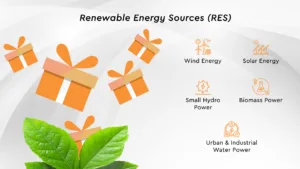
    Renewable Energy

The Impact of Green Loyalty Programs

Green Loyalty Programs have the potential to drive significant environmental impact. By incentivizing sustainable practices and promoting eco-friendly products, these programs can contribute to the following:

  • Resource Conservation
    Encouraging energy and water conservation, waste reduction, and responsible consumption helps conserve valuable natural resources and reduce ecological footprints.
  • Emissions Reduction
    By promoting the use of renewable energy, carbon offsetting, and sustainable transportation options, it can contribute to reducing greenhouse gas emissions.
  • Market Transformation
    Increased demand for eco-friendly products and services, driven by Green Loyalty Programs, can encourage businesses to invest in sustainable practices, develop innovative solutions, and adopt greener business models.

Conclusion

Green Loyalty Programs are powerful for businesses to drive sustainable practices and promote eco-friendly products. It offers great opportunities to explore the manufacture and promote eco-friendly products.

Here is the chance that every loyalty management company seeks to be different. Some forefront companies like Almond Solutions have started implementing green loyalty programs. So, where is your organization?

4,245 Post views
Categories
Blogs

Top 3 Trends Reshaping the Landscape of Loyalty Programs

In today’s fiercely competitive market, customer loyalty has become an essential aspect of any successful business. With a plethora of options available to customers, businesses must find ways to keep them engaged and satisfied. As a result, loyalty programs have emerged as an effective strategy for building channel partners and customer loyalty.

Loyalty programs have become a standard part of the channel partner and customer experience across multiple industries. With increasing competition and changing buyers’ behaviors, companies are exploring new ways to build and maintain customer loyalty.   

However, like any industry, loyalty programs have evolved over time, and new trends have emerged. In recent years, we have seen several trends shaping the loyalty industry.

In this blog, you will learn about each of these trends and how they are impacting the loyalty industry.

Strategic Partnership Redefining Loyalty Platform Terrain 

It is an effective way for businesses to increase the value of their loyalty programs, where one business partners up with another. It makes loyalty programs able to offer a wider range of rewards and benefits to customers, creating a more attractive program. This trend has gained momentum in recent years, with many businesses forming partnerships to offer more value to their customers.  

First example of a strategic partnership is the partnership between American Express and Uber. In this partnership, American Express cardholders can earn reward points when they use their card to pay for their Uber rides. This partnership has proven to be successful, with both companies benefiting from increased exposure and customer engagement.

The other example is the partnership between Starbucks and Spotify. In this partnership, Starbucks Rewards members can earn reward points by listening to music on Spotify. This partnership has proven to be successful in driving customer engagement and loyalty, as well as increasing sales for both companies.  

Card Linking to Simplify Redeem Rewards 

It is another trend that is shaping the loyalty industry. It involves linking a customer’s payment card to a loyalty program to enable the automatic earning of rewards.  

  • This trend is driven by the desire to simplify the reward redemption process and increase channel partners engagement.  
  • It eliminates the need to enter loyalty program codes or scan receipts manually. Instead, rewards are automatically earned when the customer makes a qualifying purchase using their linked payment card.  
  • It saves time and effort for customers, making it more likely that they will continue to engage with the loyalty program.

 Example: OpenTable’s dining rewards program allows customers to link their payment card to the program to automatically earn points when they dine at participating restaurants. It makes earning rewards easier for customers and encourages them to dine at participating restaurants more frequently. 

Card linking can also benefit companies by providing them with valuable customer data.  

  • By tracking customers’ spending habits, companies can gain insights into customer preferences and tailor their loyalty programs accordingly. It can also be used for targeted marketing campaigns, further increasing engagement and loyalty.  

Another Example of card linking is the partnership between Mastercard and Rakuten. In this partnership, Mastercard cardholders can link their card to their Rakuten account and earn reward points automatically when they make purchases at participating merchants. This partnership has proven to be successful in driving customer engagement and loyalty, as well as increasing sales for both companies.  

Supporting ESG Causes to Increase Channel Partner Engagement  

Supporting the ESG cause is a trend that is gaining momentum in loyalty platforms. ESG stands for environmental, social, and governance and refers to a company’s commitment to sustainability, ethical business practices, and corporate governance.

  • It is driven by the growing demand for responsible business practices and the desire to align loyalty programs with these values.
  • Many companies are incorporating ESG causes into their loyalty programs by allowing customers to donate rewards points to charitable organizations or support environmentally friendly initiatives.  
  • This approach provides customers with a way to make a positive impact while also increasing engagement with the customer loyalty program.

Example: Marriott’s Bonvoy loyalty program allows customers to donate points to various charitable organizations, such as the American Red Cross or UNICEF. This approach not only supports important causes but also aligns with Marriott’s commitment to sustainability and responsible business practices.  

  • Supporting ESG causes can also benefit companies by enhancing their reputation and attracting socially conscious customers.  
  • By demonstrating a commitment to responsible business practices, companies can differentiate themselves from competitors and build stronger relationships with customers who share these values.  

Another example is the Toms’ Passport Rewards program. Toms is committed to supporting social causes, and this commitment is reflected in its loyalty program. Toms’ Passport Rewards members earn reward points when they make purchases, and a portion of their purchases goes towards supporting social causes.  

| “While the bottom line of any company is to make a profit, it’s essential for them to contribute to society in order to increase their profitability.” | 

Blog’s Diagnosis 

The loyalty industry is constantly evolving, with new trends and approaches emerging to meet changing consumer demands. By partnering with other companies, offering seamless loyalty experiences, and supporting sustainability initiatives, businesses can attract and retain customers who are increasingly demanding more from the brands they choose to support. These practices incorporated into loyalty programs can enhance the customer experience, increase engagement, and drive long-term loyalty.  

4,537 Post views
//Gautam Jain Code from mail (vikul,sunil seth)